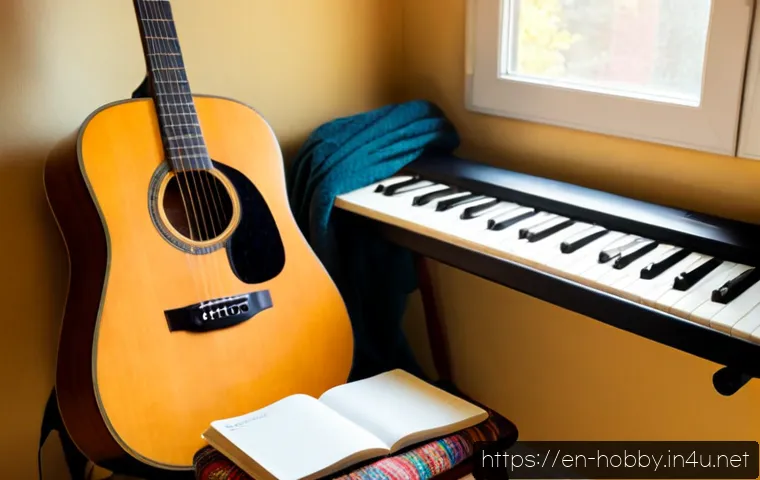
The best musical instrument hobby is the one you can afford, practice comfortably at home, and enjoy often enough to build a routine. For most adults, the right choice depends less on finding the “easiest” instrument and more on matching sound, space, noise level, physical comfort, and learning support.
A beginner bundle, rental plan, or a few private lessons can make starting feel less complicated. Think about the total first-year cost, including accessories and maintenance, rather than the instrument price alone.
Short, regular practice sessions are usually more realistic than waiting for long blocks of free time. This guide helps you compare practical options before you spend money.
At a Glance
- Choose for your real life: your available space, noise tolerance, schedule, and physical comfort matter as much as musical taste.
- Compare total ownership needs: accessories, maintenance, lessons, storage, and practice setup can affect the first-year cost.
- Renting can reduce uncertainty: selected student instruments are often available through music retailers and local music schools.
| Instrument Type | Upfront Cost Consideration | Recurring Needs | Noise and Space | Portability | Learning Support |
|---|---|---|---|---|---|
| Keyboard or digital piano | Compare instrument features, stand, bench, and pedal needs | Usually fewer consumable parts; check setup and warranty details | Headphones can support quieter practice; needs a stable home spot | Varies by model | Private lessons, group classes, online courses, and apps are widely available |
| Acoustic or electric guitar | Consider the instrument, case, tuner, and beginner accessories | Strings, picks, cleaning supplies, and occasional setup may be needed | Moderate noise; electric guitar practice may require additional equipment | Generally convenient for travel and storage | Many lesson formats are available |
| Ukulele | Often has a simpler starter setup, but comfort still matters | Strings, case, tuner, and basic cleaning supplies | Small footprint with moderate sound | Highly portable | Suitable for self-guided learning and lessons |
| Violin or wind instrument | Compare rental terms, included accessories, and condition carefully | Strings, reeds, cleaning supplies, setup, or tuning needs may apply | Can be noticeable in shared homes; storage is important | Often portable with a proper case | Structured feedback can be especially helpful |
| Drums or electronic drum kit | Consider the full practice setup, including stands and space | Parts, sticks, maintenance, and possible setup needs | Acoustic drums can be disruptive; electronic kits commonly support headphones | Usually less convenient to move | Lessons and rhythm-focused learning tools are available |
How to Choose an Instrument You Will Keep Playing
The most practical first instrument is not necessarily the one with the lowest sticker price. It is the one that fits your favorite music, your home, and the amount of time you can realistically protect each week. Before comparing beginner instruments, decide what would make you want to pick it up again tomorrow.
Start with the music you actually want to play
Start with a simple question: what music do you want to make? If you enjoy singer-songwriters, guitar or ukulele may hold your attention. If you like melodies, chords, and playing alone, a keyboard or digital piano may feel more satisfying. If rhythm is what you notice first, drums may be more motivating.
Do not choose solely because an instrument seems easy, popular, or visually appealing. A beautiful instrument that does not fit your musical taste can become unused furniture. Listening to beginner performances and trying an instrument in person, when possible, can make the decision clearer.
Match the instrument to your home, schedule, and comfort
Comfort is a selection criterion, not a minor detail. Hand size, physical reach, posture, sound sensitivity, and available practice space can all affect whether an instrument feels manageable. An oversized instrument or awkward setup can make regular practice harder than it needs to be.
For apartment living or a shared household, quieter options deserve extra attention. Digital pianos and electronic drum kits commonly support headphone practice, which can reduce disruption. That does not remove every concern: check where the instrument will sit, how it will be stored, and whether your practice schedule works for the people around you.
Set a realistic first-year budget, not just a purchase budget
When comparing instrument price ranges, look beyond the initial purchase. Acoustic instruments can need strings, reeds, picks, cases, stands, cleaning supplies, and periodic setup or tuning. A beginner bundle may be convenient when it includes essentials you would otherwise need to buy separately, but confirm exactly what is included.
Also include learning support in your plan. Private lesson options, group classes, online courses, and learning apps vary in cost, structure, and feedback quality. The best value is not always the lowest-cost option; it is the option you will use consistently.
Beginner Instrument Comparison: Cost, Noise, Space, and Learning Curve
There is no single best instrument for every adult beginner. Use the following comparisons to narrow your choices, then check current product details, rental terms, and lesson availability in your area.
Keyboard or digital piano
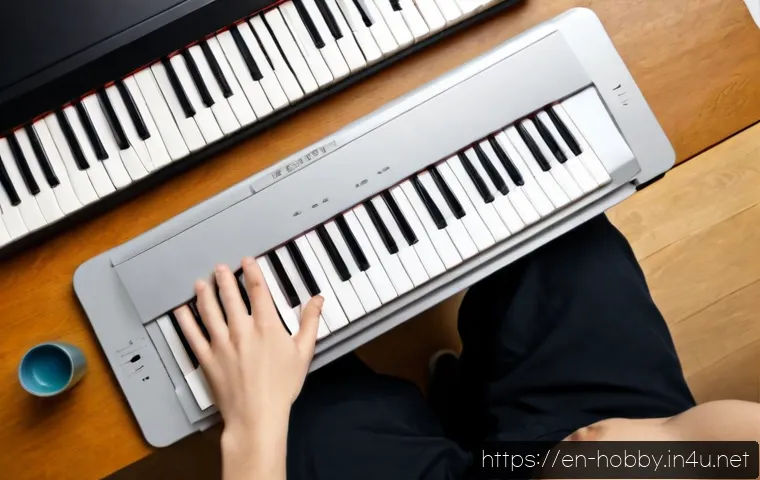
A keyboard or digital piano can be a practical home instrument for people who want melodic and chord-based playing. Headphone support is a major advantage in shared homes. Before buying, consider the space for the instrument, stand, bench, and comfortable posture.
Compare beginner keyboard bundles carefully. Some setups may require separate accessories, while others include items useful for home practice. If quiet practice is a priority, confirm headphone compatibility and think about where cables, pedals, and seating will go.
Acoustic or electric guitar
Guitar is portable, versatile, and suitable for many music styles. However, it also comes with ongoing needs such as strings, picks, a case, cleaning supplies, and possible setup work. Physical comfort matters: neck shape, body size, reach, and playing posture can affect your experience.
Acoustic and electric guitar create different home-practice considerations. An electric guitar may involve additional equipment, while an acoustic guitar is ready to play without a separate amplification setup. Compare the complete beginner setup rather than comparing the instrument alone.
Ukulele, violin, wind instruments, and drums
A ukulele can suit adults who want a compact instrument with a small storage footprint. It may be easier to bring along than larger instruments, but it should still feel comfortable in your hands. Violin and wind instruments can be rewarding choices for melody-focused learners, though accessories, cleaning, reeds, strings, and regular care can be part of ownership.
Drums are ideal for people drawn to rhythm, but acoustic drums may not fit apartments or homes with strict noise limits. An electronic drum kit may better suit a shared home because headphone practice is commonly supported. Always consider floor space, storage, and the impact of repeated practice on others nearby.
What to compare before choosing a beginner bundle or rental
Compare what is included, what must be purchased separately, and what happens after the first few months. For a beginner bundle, look for practical essentials such as a case, stand, tuner, cleaning supplies, or other accessories appropriate to the instrument. For rentals, review the instrument condition, return policy, maintenance responsibility, and any restrictions in the agreement.
Many music retailers and local music schools offer rental programs for selected student instruments. Renting can be useful when you want time to test your interest before making a longer-term commitment.
What You Need Beyond the Instrument
A playable instrument is only one part of a sustainable hobby. A comfortable practice setup and a simple learning plan can do more for consistency than buying extra gear too early.
Essential accessories and recurring maintenance costs
Make an accessory list before purchasing. Depending on the instrument, useful items may include a case, stand, picks, strings, reeds, cleaning supplies, a tuner, or a stable seat. Acoustic instruments may also need periodic setup or tuning. These needs vary by instrument, brand, condition, and how often you play.
A case and safe storage are especially important if you travel with the instrument or live in a busy household. Protecting the instrument can be more practical than replacing damaged accessories later.
When lessons, online courses, or practice apps provide better value
Private lessons can offer direct feedback and a personalized sequence of skills. Group classes can add structure and social motivation. Online courses and learning apps may be convenient for adults with changing schedules, although feedback quality and structure vary.
If you often lose momentum alone, choose a format with a clear next step: a scheduled lesson, a group session, or a course plan. If your schedule is unpredictable, self-paced tools may be easier to maintain. The right learning format is the one you will return to regularly.
Rent versus buy: when each option makes sense
Renting can make sense if you are unsure about the instrument, want to test physical comfort, or need a selected student instrument for a limited period. Buying can make sense when you have tried the instrument, understand the required accessories, and expect to practice regularly.

Before renting, verify the rental period, return policy, condition expectations, maintenance terms, and warranty coverage where applicable. Before buying, compare new and used condition carefully and make sure the instrument is playable and appropriately sized.
Common Beginner Mistakes and How to Avoid Them
Most early problems come from a mismatch between expectations and daily life, not a lack of talent. A few careful checks can prevent an expensive, frustrating start.
Buying the cheapest option without checking playability
A low purchase price may look appealing, but it does not automatically mean good value. If an instrument is uncomfortable, difficult to maintain, or missing essential accessories, it may cost more effort and money later. Compare condition, comfort, included items, and maintenance needs before deciding.
Ignoring noise, storage, and practice setup
Think about where the instrument will live when it is not being played. If setting it up takes too much effort every time, practice can become easy to postpone. If noise is a concern, prioritize quiet-practice features or choose a schedule that respects the people around you.
Setting goals that are too vague or too demanding
“Get good at music” is difficult to act on. Instead, choose a small goal, such as learning a short section of a song, practicing a basic rhythm, or attending one lesson. Consistent short practice sessions are generally easier for new learners to sustain than occasional long sessions.
Choose Based on Your Lifestyle and Motivation
Your instrument should support the life you already have. A practical decision is often more motivating than an ambitious one that creates daily obstacles.
Best considerations for apartment dwellers and shared households
Prioritize noise control, compact storage, and easy setup. A digital piano or electronic drum kit with headphone practice may reduce disruption. Smaller instruments can be easier to store, but their sound level and practice timing still matter. Check local building rules and household preferences before committing.
Best considerations for busy adults with limited practice time
Choose an instrument you can access quickly. A simple home setup, visible storage, and a short lesson plan can reduce friction. Consider whether private lessons, group classes, online courses, or practice apps fit your calendar better. The goal is not to practice perfectly; it is to make returning easy.
Best considerations for people who want to play with others
If playing with friends, family, or a group is part of your motivation, consider the type of music you want to share. Guitar, keyboard, ukulele, wind instruments, violin, and drums can all fit group settings in different ways. Ask whether local classes, ensembles, or informal music groups are available before choosing solely for social reasons.
Selection Criteria and Comparison Summary
Before spending money, check these points: the music you want to play, physical comfort, home noise level, available storage, total first-year needs, and your preferred learning format. Compare beginner bundles by included accessories, not only by the headline instrument price. Compare rental plans by return terms, maintenance responsibility, and instrument condition. Compare lesson formats by schedule flexibility, structure, and the type of feedback you need. For current specifications, rental conditions, and bundle contents, check the relevant retailer, school, or course page directly.
A simple decision checklist before spending money
Can you practice without disrupting your household? Does the instrument fit your hands, reach, and posture? Do you know which accessories are required? Is there a realistic place to store it? Can you commit to short sessions each week? If several answers are unclear, renting or trying the instrument first may be sensible.
When a lower-cost starter option is enough
A lower-cost starter option can be enough when it is comfortable, playable, appropriate for your space, and supported by the accessories you need. It may be a practical way to explore a new hobby without making a larger commitment immediately.
When paying more for quality, lessons, or quiet practice is worthwhile
Spending more may be worthwhile when it improves comfort, reliability, quiet practice, or access to useful instruction. A better practice setup can support consistency, but it should match your real priorities rather than features you are unlikely to use.
Closing Thoughts
A musical instrument hobby does not need to begin with a perfect purchase. Start with the option that fits your budget, home, body, and favorite kind of music. Give yourself a simple routine and enough time to learn what you enjoy. If you are uncertain, comparing rental options, beginner bundles, and lesson formats can make the first step less risky.
Useful Things to Know
1. Keep essential accessories near the instrument so a short practice session is easy to begin.
2. Try to test posture, reach, and sound level before making a long-term purchase.
3. Store maintenance items such as strings, reeds, picks, and cleaning supplies in one place.
4. A scheduled class or lesson can be useful when motivation depends on accountability.
Important Notes
Instrument, accessory, repair, rental, and lesson costs vary by location, brand, condition, retailer, and availability. Rental agreements, return policies, noise restrictions, and warranty coverage should be checked with the relevant provider. No instrument is universally best for beginners; enjoyment, comfort, and music preference remain personal factors.
Frequently Asked Questions
Q1. What is the easiest musical instrument hobby to start as an adult?
A1. There is no single easiest option for every adult. A good starting instrument is one that fits your musical taste, physical comfort, home space, and noise situation. Keyboard, guitar, and ukulele are common choices, but the best fit depends on what you will enjoy practicing regularly.
Q2. How much should a beginner budget for an instrument and basic accessories?
A2. Budget for more than the instrument itself. Depending on your choice, you may need a case, stand, tuner, strings, picks, reeds, cleaning supplies, seating, or other setup items. Lessons, online courses, and periodic maintenance can also affect the total first-year cost. Exact costs vary, so compare current bundle details and local options.
Q3. Is it better to rent or buy a musical instrument for a new hobby?
A3. Renting can be helpful if you are still testing your interest, comfort, or available practice time. Buying may make more sense when you know the instrument fits your lifestyle and you expect to use it regularly. Review rental terms, maintenance responsibilities, return policies, and the condition of the instrument before choosing.