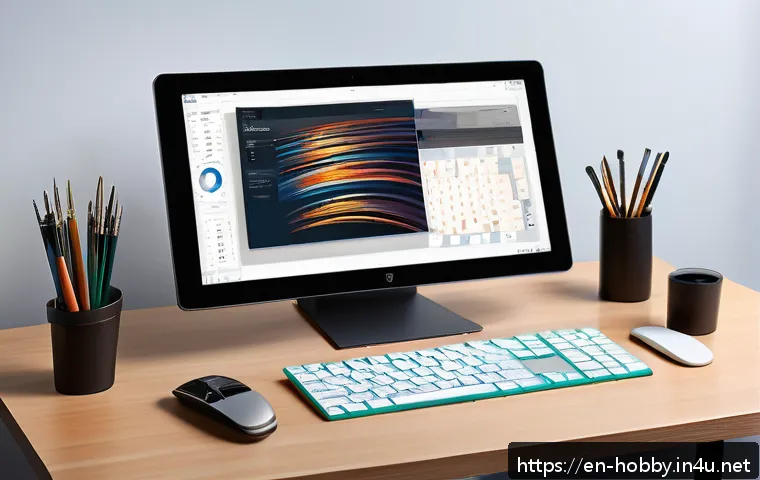
As digital art continues to redefine creativity in 2024, artists everywhere are exploring innovative tools that push the boundaries of expression. Whether you’re a seasoned illustrator or just starting out, finding the right digital painting software can transform your artistic journey.
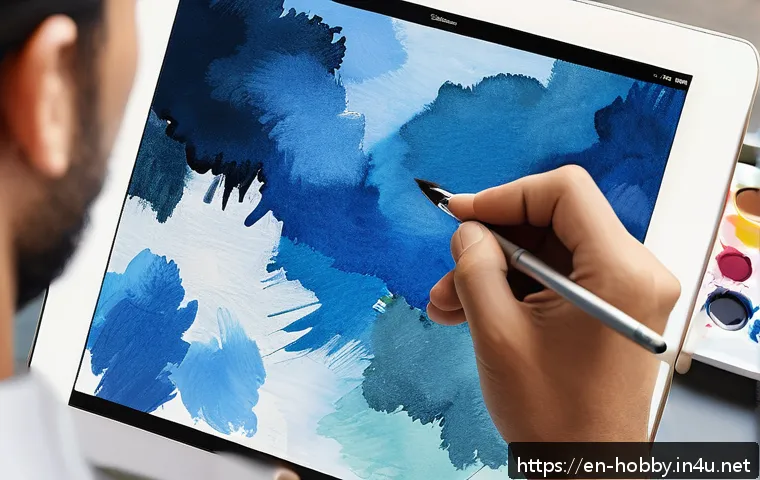
In this post, we’ll dive into the top digital painting tools that are making waves this year, helping you unlock your full creative potential. Stay with me as we explore options that blend cutting-edge technology with user-friendly features, designed to inspire and elevate your work like never before.
Exploring Intuitive Interfaces for Seamless Creativity
User Experience That Feels Natural
When diving into digital painting, the software’s interface can make or break your flow. Programs that prioritize simplicity without sacrificing power tend to keep you immersed in your work longer.
From my experience, tools with customizable workspaces and minimal clutter really help me focus on the brushstrokes rather than hunting for menus. It’s like having a digital studio where everything you need is just where your hands expect it to be, reducing frustration and boosting productivity.
If you value a smooth, uninterrupted creative process, look for software that offers drag-and-drop layers, intuitive shortcuts, and easy access to color palettes.
Balancing Features and Accessibility
Sometimes, the most feature-packed software can overwhelm beginners, while overly simple apps might leave pros wanting more. The sweet spot lies in tools that grow with your skills.
For instance, adaptive toolsets that allow you to toggle advanced options only when needed can keep the interface clean yet powerful. In my own journey, I appreciated how some apps offer beginner-friendly tutorials embedded right in the interface, helping me get up to speed without leaving the canvas.
This kind of thoughtful design ensures you spend more time painting and less time figuring out how to paint.
Cross-Device Compatibility and Cloud Integration
In today’s fast-paced world, being able to switch seamlessly between devices is a huge plus. Software that supports cloud syncing lets you start a piece on your tablet during a commute and finish it on your desktop at home without hassle.
I’ve found that apps with robust cloud features not only save your work safely but also keep your brushes, color presets, and even layer styles synced across devices.
This flexibility is a game changer for artists who juggle multiple gadgets or collaborate remotely.
Mastering Brush Dynamics and Texture Realism
Custom Brushes That Mimic Traditional Media
One of the coolest advancements lately is how digital brushes now emulate real-world materials like oil, watercolor, and charcoal. Personally, experimenting with custom brushes has opened up a whole new dimension to my artwork.
These brushes respond to pressure, tilt, and speed in ways that make digital painting feel tactile and alive. Finding software with extensive brush libraries or the ability to create your own lets you inject personality into every stroke, much like using physical brushes on canvas.
Layer Effects and Blending Modes for Depth
Layering is where digital painting truly shines, giving you control over every element without permanent changes. Advanced blending modes allow colors and textures to interact in complex ways, producing subtle shadows, highlights, or glows.
I often use these features to build atmosphere and depth, something that’s tricky to achieve in traditional media without reworking entire sections. Look for tools that offer flexible layer management, including clipping masks and opacity adjustments, to experiment freely.
Real-Time Rendering and Performance Optimization
Painting with complex brushes and multiple layers can slow things down, breaking your rhythm. That’s why performance matters. In my experience, software optimized for real-time rendering lets you see brush effects instantly without lag, keeping the creative momentum alive.
Some programs leverage GPU acceleration, ensuring smooth strokes even on less powerful machines. If you’ve ever been frustrated by sluggish response times, investing in software with strong performance under the hood is worth it.
Harnessing AI-Powered Features to Boost Creativity
Smart Color Suggestions and Palettes
AI-driven color tools are becoming more sophisticated, offering palettes based on your mood, subject, or style. I’ve found these features incredibly helpful when stuck in a creative rut or unsure about color harmony.
Instead of endlessly experimenting, the AI suggests combinations that work well together, saving time and sparking inspiration. Some programs even analyze your existing artwork to generate complementary colors dynamically as you paint.
Automated Layer Masks and Selections
Selecting intricate parts of an image used to be tedious, but AI now makes this process almost effortless. I remember spending hours masking fine details like hair or foliage, but with AI-assisted selection tools, it’s a matter of a few clicks.
This not only speeds up workflow but also increases precision, allowing more focus on artistic decisions rather than technical hurdles.
Creative Filters and Style Transfers
Another fascinating AI application is style transfer, where your painting can mimic famous art styles or textures automatically. Playing around with these filters has added unexpected twists to my projects, sometimes inspiring entirely new directions.
While AI doesn’t replace the artist’s touch, it acts as a creative partner, offering fresh perspectives and playful experimentation.
Community and Learning Ecosystems Built In
Integrated Tutorials and Challenges
Learning never stops, and some digital art platforms recognize this by embedding tutorials and challenges directly within the app. From beginner tips to advanced techniques, these resources keep you engaged and motivated.
I appreciated how tackling daily prompts pushed me to try new styles and tools I might have otherwise ignored, fostering growth organically.
Sharing and Collaboration Features
Art thrives in community, and being able to share work instantly or collaborate in real-time elevates the creative experience. Many programs now offer social hubs or cloud galleries where you can showcase progress, get feedback, or even co-create with others worldwide.
This connectivity has made my creative process richer, as exchanging ideas fuels inspiration and improvement.
Marketplace Access for Brushes and Assets
A vibrant marketplace within the software ecosystem means access to thousands of brushes, textures, and templates created by fellow artists. I’ve found these marketplaces invaluable for adding unique touches to my art without reinventing the wheel.
Purchasing or downloading free assets can save time and introduce new techniques to your workflow, making it easier to achieve professional results.
Pricing Models and Value Considerations
Subscription vs. One-Time Purchase
Choosing software often comes down to how you want to pay. Subscription models offer regular updates and cloud features but can add up over time. One-time purchases provide permanent access but might lack the latest improvements unless you pay for upgrades.
Personally, I’ve balanced this by subscribing to a tool I use daily and keeping one-time apps for occasional projects, optimizing value.
Free Trials and Community Editions
Many top-tier digital painting tools offer free trials or limited community editions that let you test features before committing financially. Taking advantage of these options gave me hands-on insight into what fits my style and workflow best, preventing buyer’s remorse.
Don’t hesitate to experiment with multiple options to find your perfect match.
Cost vs. Feature Trade-Offs
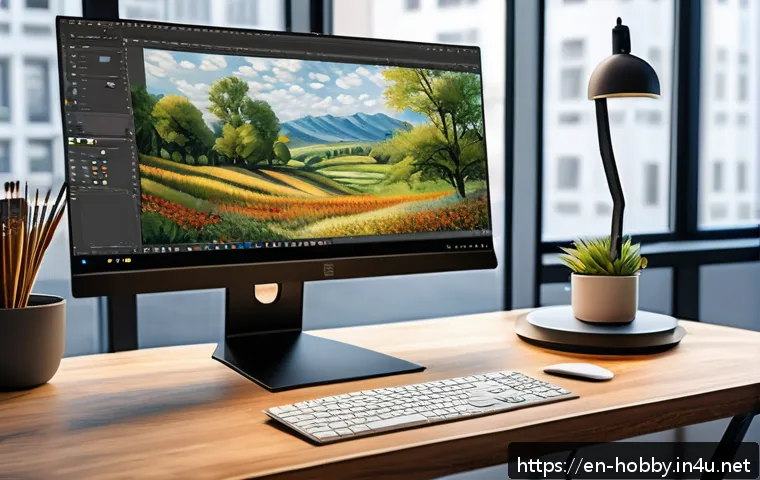
Sometimes, cheaper software lacks advanced capabilities that professionals rely on, while premium tools might be overkill for casual artists. I recommend listing your must-have features and prioritizing those aligned with your goals.
Investing in software that supports your growth can pay off in both satisfaction and efficiency.
| Software | Platform | Pricing Model | Unique Features | Best For |
|---|---|---|---|---|
| Procreate | iPad | One-Time Purchase | Highly responsive brushes, intuitive UI, Apple Pencil support | Illustrators on the go |
| Adobe Fresco | Windows, iPad | Subscription | Live brushes, vector & raster support, cloud integration | Mixed media artists |
| Krita | Windows, Mac, Linux | Free / Donation | Open-source, customizable brushes, animation support | Budget-conscious creatives |
| Clip Studio Paint | Windows, Mac, iPad | One-Time Purchase / Subscription | Excellent pen pressure, 3D models, comic tools | Comic and manga artists |
| Corel Painter | Windows, Mac | One-Time Purchase | Natural media emulation, advanced texture brushes | Traditional painters going digital |
Optimizing Workflow with Customizable Shortcuts and Macros
Speeding Up Repetitive Tasks
When you’re deep into a project, anything that cuts down on repetitive clicks is gold. I’ve customized shortcuts for my most-used tools, which transformed how fast I can move through different painting stages.
Some programs even allow macros to automate sequences like layering effects or filter applications, freeing up mental space for creativity rather than mechanics.
Tailoring the Workspace to Your Style
No two artists work the same way, so having the ability to rearrange panels, toolbars, and palettes matters a lot. I often tweak my workspace based on the project type—more brush options for detailed work, or larger canvas view for broad strokes.
This flexibility makes every session feel personalized and helps keep my mind in the zone.
Integrating External Hardware for Enhanced Control
Using devices like drawing tablets, pen displays, or even MIDI controllers can elevate your painting experience. I’ve experimented with pressure-sensitive pens and customizable dial knobs that adjust brush size or opacity on the fly.
This hands-on control adds nuance and speed that a mouse simply can’t match, making your digital art process feel more organic.
Advanced Color Management and Output Options
Working in Wide Color Gamuts
For artists who plan to print their work or use it in professional settings, supporting wide color spaces like Adobe RGB or ProPhoto RGB is crucial. I’ve noticed that software with robust color management ensures that the vibrancy and accuracy of colors stay consistent across screens and prints, saving headaches later in production.
Export Formats Tailored to Your Needs
Different projects require different file types—whether it’s layered PSDs for further editing, high-resolution PNGs for portfolios, or TIFFs for print.
The best tools offer a variety of export options with customizable settings like resolution, compression, and color profiles. Having these choices means your artwork looks perfect no matter where it ends up.
Proofing and Soft Proofing Features
Previewing how your digital painting will look when printed or viewed on other devices is a subtle but powerful feature. Soft proofing simulates different color profiles and lighting conditions, helping you adjust colors before finalizing.
I’ve saved countless hours and costly reprints by catching issues early thanks to this functionality.
Community Support and Continuous Improvement
Active Developer Engagement
Software that evolves based on user feedback tends to stay relevant and reliable. I appreciate when developers actively listen to their community, rolling out updates that fix bugs and introduce requested features.
This ongoing support builds trust and makes me confident the tool will keep improving alongside my skills.
Vibrant User Forums and Resources
Having a strong community where artists share tips, troubleshoot problems, and showcase work is invaluable. Participating in forums or social media groups connected to your software can provide fresh ideas and solutions you might not find in official docs.
It’s like having a global studio buddy network.
Regular Training and Workshops
Some platforms offer webinars, live streams, or workshops to deepen your understanding of their tools. Joining these sessions has helped me unlock hidden features and advanced techniques, accelerating my growth.
Plus, it’s a great way to stay inspired by seeing what others create with the same software.
Closing Thoughts
Choosing the right digital painting software can truly transform your creative journey. From intuitive interfaces to powerful AI features, the tools you pick shape how freely and efficiently you bring your visions to life. Remember, the best software is one that adapts to your evolving skills and workflow, helping you stay inspired and productive every step of the way.
Helpful Insights
1. Prioritize software with an intuitive interface that minimizes distractions and maximizes your creative flow.
2. Look for programs that balance beginner accessibility with advanced features that grow with your skill level.
3. Consider cloud compatibility to seamlessly work across devices and safeguard your projects.
4. Explore AI-powered tools like smart color palettes and automated selections to enhance efficiency and creativity.
5. Take advantage of free trials or community editions to find software that truly fits your style and budget.
Key Takeaways
Choosing digital painting software requires balancing ease of use with powerful features that support your artistic growth. Customizable workspaces and shortcuts can speed up your workflow, while advanced brush dynamics and color management ensure your art looks professional. Don’t overlook the value of community support and ongoing updates, which keep your tools relevant and your skills sharp. Finally, understanding pricing models and testing options helps you invest wisely in software that suits your needs and creative goals.
Frequently Asked Questions (FAQ) 📖
Q: uestionsQ1: Which digital painting software is best for beginners in 2024?
A: For beginners, I highly recommend starting with software like Procreate or Clip Studio Paint. Procreate offers an intuitive interface with a vast array of brushes and tools that feel natural, especially on the iPad.
Clip Studio Paint is also beginner-friendly, providing excellent tutorials and versatile features that grow with your skill level. From my experience, these platforms make learning enjoyable without overwhelming you, allowing you to focus on building your creativity right from the start.
Q: How do I choose digital painting software that suits my artistic style?
A: Choosing the right software depends largely on your preferred style and workflow. If you lean toward detailed illustrations or comics, Clip Studio Paint or Adobe Photoshop might be ideal because of their advanced layer management and brush customization.
For more painterly or expressive styles, Corel Painter or Krita can offer natural media effects that mimic traditional painting. I found it helpful to try free trials or watch artist demos to see which tools resonate with how you like to create.
This hands-on approach really clarified what worked best for me.
Q: Are there any affordable or free digital painting tools that still offer professional features?
A: Absolutely! Krita is a fantastic free option that many professionals swear by. It’s open-source and packed with features like brush stabilizers, customizable brushes, and a clean interface.
Another budget-friendly choice is Affinity Photo, which offers a one-time purchase model instead of a subscription, making it cost-effective. From personal use, I can say these tools don’t compromise on quality and are perfect if you want professional-grade features without breaking the bank.