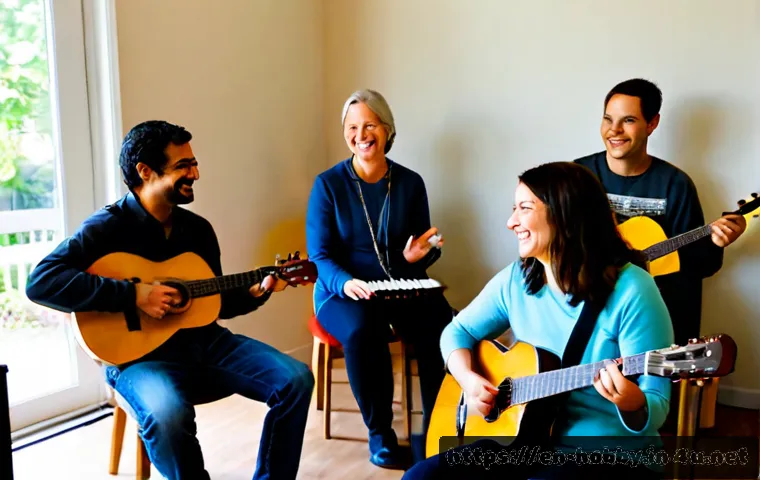
As the world gradually reopens and travel restrictions ease, more people are craving genuine experiences that go beyond typical tourist spots. Authentic cultural immersion is no longer just a trend—it’s becoming the heart of meaningful travel.
Whether you’re exploring a bustling local market or joining a traditional festival, these moments create lasting memories and deepen your understanding of the places you visit.
In this guide, we’ll uncover hidden gems and practical tips to help you connect with cultures in a way that feels real and rewarding. Ready to transform your next trip into a true adventure?
Let’s dive in!
Discovering Local Flavors Beyond the Menu
Uncovering Street Food Secrets
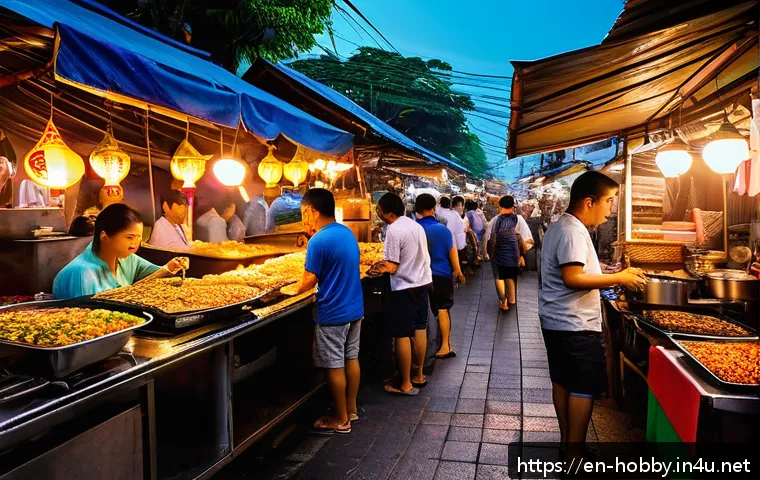
Diving into a destination’s food scene often means more than dining at popular restaurants—it’s about wandering through vibrant street food stalls where locals gather.
These bustling spots are treasure troves of authentic flavors that rarely make it to guidebooks. From fiery spices in a hidden corner of Bangkok to freshly grilled seafood by the beach in Lisbon, tasting street food offers a direct connection to the heart of local culture.
When I tried street food in Mexico City, chatting with vendors while watching them expertly prepare tacos al pastor felt like stepping into a living story of culinary heritage.
The aromas, the rhythm of customers coming and going, and the casual atmosphere create an experience that’s both sensory and social.
Participating in Cooking Classes with Locals
Taking a cooking class led by local chefs or home cooks is an immersive way to learn about cultural traditions and ingredients firsthand. These sessions often go beyond just recipes—they include stories, family customs, and hands-on techniques passed down through generations.
I remember a cooking class in Tuscany where the chef shared anecdotes about her grandmother’s garden and how seasonal changes influenced the dishes. Preparing meals together breaks down barriers and invites you into a community’s daily life.
It’s an active form of cultural exchange that enriches your understanding and appreciation of the place you’re visiting.
Shopping at Neighborhood Markets
Visiting local markets is like opening a window into everyday life. Unlike touristy bazaars, neighborhood markets bustle with residents selecting fresh produce, chatting with familiar vendors, and exchanging news.
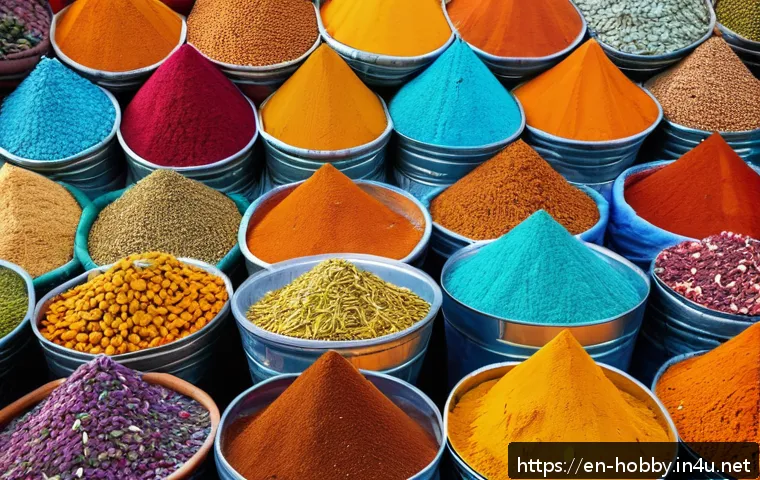
These markets reveal what’s truly important to a community’s diet and lifestyle. For example, in Marrakech, the spice markets not only offer colorful piles of saffron and cumin but also showcase the deep-rooted significance of these ingredients in Moroccan cuisine and culture.
Observing and engaging with market vendors can spark meaningful conversations and uncover hidden stories behind the products on display.
Engaging with Traditional Arts and Crafts
Joining Hands-On Workshops
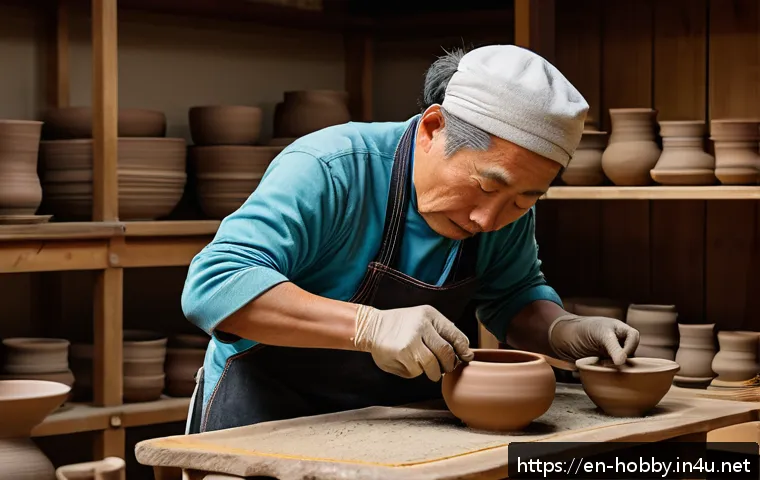
Participating in craft workshops—whether pottery, weaving, or painting—lets travelers experience the patience and skill involved in traditional art forms.
This active participation creates a personal bond with the culture that simply observing cannot match. In my experience, a pottery workshop in Japan’s Shigaraki region was eye-opening; shaping clay while learning about its historical importance made me appreciate the craftsmanship on a deeper level.
These workshops often come with stories about the origins and symbolism of the art, enriching your visit with layers of meaning.
Visiting Artisan Villages
Artisan villages are often hubs of cultural preservation, where generations maintain and innovate craft traditions. Exploring these villages provides insight into how communities adapt ancient skills to modern life.
For instance, a trip to Oaxaca’s textile villages in Mexico revealed how indigenous techniques and natural dyes continue to thrive. Spending time in such places, chatting with artisans about their craft and daily routines, offers a rare glimpse into the heartbeat of cultural resilience and creativity.
Supporting Ethical Souvenir Shopping
Choosing souvenirs thoughtfully means supporting local economies and preserving cultural heritage. Instead of mass-produced trinkets, seek out handmade items created by local artisans who often rely on tourism to sustain their livelihoods.
When I bought handwoven baskets in Ghana, knowing the craftsperson’s story added value far beyond the product itself. Ethical shopping ensures your purchases contribute positively to the communities you visit and keeps traditions alive.
Participating in Local Festivals and Rituals
Understanding the Significance Behind Celebrations
Local festivals are often steeped in history, spirituality, and community identity. Attending these events with an open mind and respect allows travelers to witness authentic cultural expressions that have been preserved for centuries.
For example, experiencing the vibrant Diwali celebrations in India meant more than just seeing fireworks; it involved understanding the symbolism of light overcoming darkness and participating in communal prayers and feasts.
Learning about the roots and meaning of festivals enhances the depth of your experience beyond surface-level enjoyment.
Volunteering During Community Events
Volunteering at festivals or community gatherings offers a unique perspective and deeper connection. Whether helping with setup, assisting performers, or sharing in communal meals, this involvement fosters genuine relationships and insight.
During a harvest festival in Peru, volunteering alongside locals to prepare traditional dishes and decorate the plaza made me feel like part of the community rather than a spectator.
These moments often lead to lasting friendships and unforgettable memories.
Respecting Customs and Etiquette
Participating in festivals requires sensitivity to local customs and etiquette. Understanding appropriate dress codes, photography rules, and behavioral expectations shows respect and opens doors for more meaningful interactions.
I learned this firsthand attending a traditional Maori ceremony in New Zealand, where following protocols helped me gain the trust and warmth of the hosts.
Respectful engagement enriches the experience for both travelers and communities.
Exploring Everyday Life Through Local Neighborhoods
Walking Through Residential Areas
Sometimes, the best way to connect with a culture is simply by strolling through its neighborhoods away from tourist hotspots. These walks reveal daily routines, architectural styles, and communal spaces that define local life.
In Lisbon, wandering through Alfama’s narrow alleys introduced me to spontaneous street music, neighborhood bakeries, and friendly greetings from residents.
These unplanned encounters offer a genuine snapshot of life as locals live it.
Engaging with Community Spaces
Parks, plazas, and cafes often serve as social hubs where locals gather to relax, socialize, and celebrate life’s small moments. Spending time in these spaces provides a chance to observe and join in authentic community interactions.
For example, sitting at a café in Paris’s Latin Quarter and watching locals debate politics or share laughter over coffee made me feel immersed in the city’s vibrant intellectual culture.
These communal spaces are living theaters of culture and connection.
Using Public Transportation Like a Local
Navigating cities by public transport instead of taxis or rideshares reveals a side of urban life often missed by tourists. Riding buses, trams, or subways alongside residents exposes you to everyday rhythms, language, and social dynamics.
On a trip to Seoul, using the subway helped me understand city layouts, notice local fashion trends, and even sparked casual conversations with fellow commuters.
This mode of travel adds authenticity and often surprises with unexpected discoveries.
Learning Through Language and Storytelling
Picking Up Basic Local Phrases
Even a few words or phrases in the local language can open doors to warmth and connection. Locals often appreciate the effort and respond with friendliness and patience.
When I learned simple greetings and thank-you phrases during a trip to Vietnam, shopkeepers and neighbors seemed more welcoming, and conversations flowed more naturally.
Language is a bridge that breaks down barriers and shows respect for the culture.
Listening to Oral Histories and Folktales
Storytelling is a powerful way to grasp a culture’s values, history, and worldview. Many communities preserve their heritage through oral traditions shared at homes, gatherings, or cultural centers.
In Iceland, attending a storytelling night introduced me to sagas that shaped national identity and offered insight into the landscape’s mystical allure.
Listening to these narratives connects travelers emotionally and intellectually to the people and place.
Engaging with Local Guides and Storytellers
Hiring local guides who share personal stories and perspectives transforms a standard tour into an intimate cultural exchange. These storytellers bring history to life with anecdotes and humor that textbooks can’t capture.
During a walking tour in Jerusalem, my guide’s family stories and reflections on the city’s complex past made the experience deeply moving and unforgettable.
Choosing local experts supports community economies and ensures authenticity.
Planning Your Cultural Immersion Mindfully
Researching Beyond Popular Attractions
Before traveling, investing time in research helps identify lesser-known sites, events, and experiences that resonate with your interests. I found that browsing local blogs, forums, and social media groups uncovered hidden gems that didn’t appear in mainstream guides.
This preparation allows you to craft an itinerary rich in meaningful encounters rather than ticking off clichés.
Balancing Spontaneity and Structure
While planning is crucial, leaving room for spontaneous moments often leads to the most memorable experiences. For example, a chance invitation to a family dinner in a small village happened because I was open to unexpected detours.
Striking a balance between a flexible schedule and prepared plans lets you navigate cultural exploration with ease and openness.
Respecting Time and Space of Local Communities
Mindful travelers recognize the importance of respecting local rhythms and privacy. Avoiding overcrowded sites, visiting during off-peak hours, and observing community norms help minimize negative impacts.
On my trips, I’ve noticed that communities are more welcoming when visitors show awareness and sensitivity, which in turn enhances the quality of cultural exchange.
| Aspect | Benefits | Tips for Authentic Engagement |
|---|---|---|
| Street Food Exploration | Direct taste of local culture, social interaction | Ask vendors about ingredients, try popular local snacks, visit busy stalls |
| Craft Workshops | Hands-on learning, cultural appreciation | Choose workshops led by locals, ask about history behind crafts, take your time |
| Festival Participation | Immersive cultural experience, community connection | Research festival significance, dress appropriately, follow local etiquette |
| Neighborhood Exploration | Insight into everyday life, spontaneous encounters | Walk or bike around, visit local markets, engage with residents respectfully |
| Language Learning | Breaks communication barriers, builds rapport | Learn key phrases, practice pronunciation, use language apps |
Closing Thoughts
Immersing yourself in local culture goes far beyond sightseeing—it’s about embracing everyday moments and authentic experiences. Whether through food, crafts, festivals, or conversations, these connections enrich your travels and leave lasting impressions. By approaching each experience with curiosity and respect, you open doors to deeper understanding and meaningful memories.
Helpful Tips to Remember
1. Always engage with locals openly—asking questions and showing genuine interest builds bridges quickly.
2. Embrace hands-on activities like cooking or craft workshops to gain a more personal insight into traditions.
3. When attending festivals or rituals, learn about their significance beforehand to participate respectfully.
4. Explore beyond tourist zones by wandering neighborhoods and using public transportation for authentic daily life glimpses.
5. Learning basic phrases in the local language can transform your interactions and make connections more heartfelt.
Key Takeaways
Respect and curiosity form the foundation of meaningful cultural immersion. Prioritize authentic experiences over tourist clichés by researching and engaging thoughtfully. Balance planning with spontaneity to allow for unexpected moments that often become the most cherished memories. Finally, support local communities ethically through mindful participation and purchasing, ensuring your travels contribute positively to the places you visit.
Frequently Asked Questions (FAQ) 📖
Q: How can I find authentic cultural experiences when traveling to a new destination?
A: The best way to discover authentic cultural experiences is by stepping off the beaten path. Instead of sticking to popular tourist spots, try exploring local neighborhoods, visiting markets, or attending community events.
Chatting with locals can open doors to hidden gems that aren’t in guidebooks. I’ve found that using social media groups or apps focused on local experiences also helps uncover unique activities.
Remember, genuine immersion often comes from curiosity and openness rather than strict itineraries.
Q: What are some practical tips to respectfully engage with local cultures during travel?
A: Respect is key when engaging with any culture. Start by learning a few basic phrases in the local language—it shows effort and goodwill. Observe local customs and dress codes, especially in religious or traditional settings.
Always ask for permission before photographing people or private spaces. I’ve personally noticed that showing genuine interest without being intrusive creates positive interactions.
Being patient and flexible also helps you adapt to cultural differences without stress.
Q: How can I balance cultural immersion with safety and comfort while traveling?
A: It’s important to strike a balance between adventure and personal safety. Research your destination’s cultural norms and safety guidelines beforehand.
Joining small group tours led by locals can offer immersive experiences with added security. When exploring independently, trust your instincts and avoid risky areas, especially after dark.
From my experience, staying connected with other travelers or locals, and having a reliable means of communication, provides peace of mind while allowing you to fully enjoy authentic moments.