
In today’s fast-paced world, where visual content floods our screens, truly understanding the layers beneath creative masterpieces has become more essential than ever.
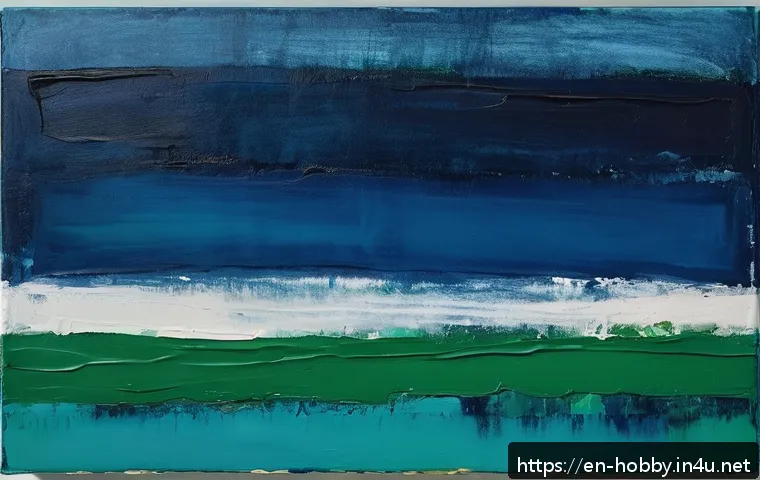
Whether it’s a striking painting or a thought-provoking sculpture, unlocking the hidden meanings can transform how we connect with art on a deeper level.
As cultural conversations around art continue to evolve, developing the skill to interpret these works enriches our appreciation and sparks meaningful dialogue.
Join me as we explore practical ways to dive beneath the surface, revealing the stories and emotions that make art so compelling. This journey promises not only to enhance your viewing experience but also to inspire your own creative perspective.
Decoding Symbolism: The Language Hidden in Art
Recognizing Common Symbols and Their Meanings
Every artwork carries symbols that speak louder than words, yet they often go unnoticed at first glance. For example, a rose might symbolize love or secrecy depending on its context, while a skull can represent mortality or a warning.
When I started paying attention to these details, my experience with art became much richer. Learning to spot these symbols involves understanding cultural and historical contexts, as what means one thing in Western art may have a different significance in Eastern traditions.
It’s like learning a new language—once you know the vocabulary, you can begin to interpret whole stories embedded in brushstrokes or chiseled stone.
How Colors Influence Interpretation
Color choices in art are rarely accidental; they convey moods, highlight emotions, or suggest deeper narratives. For instance, warm tones like reds and oranges often evoke passion or urgency, whereas blues and greens might bring calm or melancholy.
When I viewed Mark Rothko’s color field paintings, the vast expanses of color stirred emotions I hadn’t expected, revealing how color alone can communicate complex feelings.
Paying attention to the palette helps decode the artist’s intentions and the atmosphere they want to create, adding another layer to your understanding.
Understanding Context: Time, Place, and Artist’s Background
Art doesn’t exist in a vacuum. The era in which a piece was created, the location, and the artist’s personal history all shape its meaning. When I learned about the hardships Picasso faced during the Blue Period, his melancholic paintings became more poignant to me.
Similarly, knowing that Frida Kahlo painted through personal pain brings a new dimension to her self-portraits. Researching the background isn’t just about facts; it’s about stepping into the artist’s shoes, which can dramatically shift your perspective and deepen your connection with the work.
Exploring Emotional Layers Through Artistic Techniques
Brushwork and Texture as Emotional Indicators
The way an artist applies paint or sculpts material can reveal their emotional state or the mood they wish to evoke. Thick, aggressive brushstrokes might suggest anger or chaos, while smooth, delicate layers can express tranquility or tenderness.
When I observed Van Gogh’s “Starry Night,” the swirling, dynamic strokes gave me a sense of turbulent emotion beneath the surface beauty. Understanding these physical aspects of the artwork helps you feel the emotions behind the creation rather than just seeing the image.
Light and Shadow: More Than Just Visual Effects
Light and shadow do more than create depth; they often symbolize hope, despair, or the passage of time. Caravaggio’s mastery of chiaroscuro, for example, uses stark contrasts to highlight drama and focus attention on specific elements.
When viewing such works, I find myself drawn not just to the subject but to the interplay of darkness and light that shapes the narrative. This technique invites viewers to look beyond what is obvious and consider what’s hidden in the shadows.
The Role of Composition in Guiding Interpretation
Composition—the arrangement of elements within the artwork—can subtly direct your eye and influence your emotional response. Symmetrical compositions often create a sense of balance and harmony, while asymmetry can evoke tension or movement.
I once spent an afternoon analyzing how the placement of figures in a Renaissance painting guided my focus and told a story without words. Learning to read composition is like discovering the director’s cues in a silent film; it reveals the intended flow and emphasis.
Engaging Your Senses Beyond Sight
Imagining Sound and Movement in Still Images
Some artworks, especially those depicting dynamic scenes, invite you to imagine sounds or movement. I remember standing in front of a painting of a bustling market and hearing in my mind the chatter and clatter of daily life.
This sensory engagement makes the experience immersive, connecting you emotionally and mentally to the scene. Practice by pausing in front of a piece and asking yourself what sounds or motions it might contain, turning passive viewing into active participation.
Feeling the Materiality: The Tactile Dimension of Sculpture
When I visited a sculpture garden, I was struck by how knowing the texture and weight of a piece—even just imagining touching it—added to my appreciation.
Rough surfaces can evoke ruggedness or raw emotion, while polished finishes suggest refinement or detachment. This tactile awareness helps you understand the artist’s choice of materials as a deliberate part of storytelling, not just aesthetics.
Connecting Through Personal Memories and Experiences
Art often resonates because it echoes parts of your own life. I’ve found that certain paintings remind me of places I’ve been or feelings I’ve had, creating a personal dialogue with the piece.
This subjective connection is powerful; it makes art not just something to observe but something to live with emotionally. Embracing your personal responses can deepen your appreciation and open up new interpretations that might not be obvious at first.
Contextualizing Art in Social and Cultural Narratives
Understanding Art as a Reflection of Society
Many artworks serve as mirrors to the social and political climates of their times. For instance, Diego Rivera’s murals vividly depict class struggles and social justice themes.
When I explored these works, I realized how art can be a form of activism or commentary. Recognizing this transforms art from decoration into a powerful statement, encouraging viewers to think critically about the world around them.
Tracing the Evolution of Artistic Movements
Knowing the lineage of styles—from Impressionism to Abstract Expressionism—provides clues about an artwork’s place in history. I once compared pieces from different movements side by side and noticed how each responded to cultural changes and technological advances.
This historical perspective enriches your understanding by showing how artists influence one another and react to their environments, making each piece part of a larger story.

The Role of Gender and Identity in Artistic Expression
Artists often explore identity—gender, race, sexuality—through their work. Recognizing these themes requires sensitivity and openness. When I encountered works by contemporary artists addressing gender fluidity, it challenged me to reconsider traditional narratives and broaden my perspective.
Understanding these layers adds depth and relevance, connecting art to ongoing social conversations and personal identities.
Techniques for Active Art Viewing and Interpretation
Asking the Right Questions
One practical approach I use is to ask myself questions like: What story is this artwork telling? What emotions does it evoke? What might the artist be trying to say beyond the obvious?
This method transforms viewing into an investigative process, making the experience interactive and engaging. It’s surprising how much more you notice when you actively question rather than passively look.
Journaling Your Reactions and Insights
Writing down your impressions and discoveries after seeing a piece helps solidify your understanding. I started keeping a small art journal where I sketch, note emotions, and record interpretations.
This habit not only tracks your evolving perspective but also deepens your connection to art over time, as you revisit previous thoughts and see how your views grow.
Discussing Art with Others to Broaden Perspectives
Sharing your thoughts and hearing others’ interpretations can reveal angles you might have missed. In my experience, even casual conversations about art can lead to unexpected insights and greater appreciation.
Art is inherently subjective, and these dialogues turn solitary viewing into a communal experience, enriching the way you understand and relate to creative works.
Summary Table: Key Elements to Consider When Interpreting Art
| Element | What to Look For | Why It Matters | Example |
|---|---|---|---|
| Symbolism | Hidden objects, motifs, cultural references | Unveils deeper meanings and messages | Skull representing mortality in vanitas paintings |
| Color | Palette choices, contrasts, saturation | Conveys mood and emotional tone | Blue tones evoking melancholy in Picasso’s Blue Period |
| Technique | Brushwork, texture, light and shadow | Reveals artist’s emotional state and emphasis | Caravaggio’s chiaroscuro creating dramatic tension |
| Context | Historical era, artist’s background, social climate | Frames the artwork within cultural narratives | Diego Rivera’s murals on social justice |
| Composition | Element arrangement, symmetry, focus points | Guides viewer’s eye and emotional response | Balanced symmetry in Renaissance portraits |
Harnessing Your Own Creativity Through Art Interpretation
Inspiration Drawn from Understanding Others’ Work
Interpreting art doesn’t just deepen your appreciation; it can ignite your own creative spark. When I started analyzing the layers behind masterpieces, I found myself inspired to experiment with my own art in ways I hadn’t imagined.
Understanding how artists communicate complex ideas motivates you to explore your personal voice and storytelling techniques.
Applying Interpretation Skills to Your Creative Projects
The skills you develop—observing details, considering context, expressing emotions—are transferable to any creative endeavor. Whether you write, paint, or design, thinking critically about meaning and narrative enriches your work.
I’ve noticed that projects created with this mindset resonate more deeply with audiences because they carry intentionality and depth.
Building Confidence to Share Your Unique Perspective
Interpreting art builds your confidence to express your own views, even when they differ from mainstream opinions. I used to hesitate sharing my interpretations, fearing they were wrong, but embracing the subjective nature of art has empowered me to contribute meaningfully to discussions.
This confidence is a valuable asset for any creative communicator, opening doors to new opportunities and connections.
In Conclusion
Decoding the language of art opens up a world of deeper understanding and emotional connection. By recognizing symbols, colors, techniques, and context, we move beyond surface appreciation to truly engage with the artist’s message. This journey enriches both our viewing experience and our own creative expression. Remember, every artwork has a story waiting to be discovered—your curiosity is the key.
Useful Information to Keep in Mind
1. Symbols in art often carry multiple meanings, so always consider cultural and historical backgrounds when interpreting them.
2. Colors are powerful tools that influence mood and can dramatically alter how a piece feels emotionally.
3. The artist’s personal history and the time period in which the artwork was created provide essential context for deeper insight.
4. Paying attention to composition and technique reveals how artists guide your emotions and focus within a piece.
5. Engaging actively with art—through questioning, journaling, and discussion—enhances understanding and personal connection.
Key Takeaways
Understanding art requires more than just looking; it involves exploring symbolism, color, technique, context, and composition to uncover layered meanings. Active engagement through asking questions and sharing perspectives deepens appreciation and nurtures creativity. Most importantly, art interpretation is a personal journey—embracing your unique viewpoint enriches both your experience and the broader conversation around art.
Frequently Asked Questions (FAQ) 📖
Q: How can I start interpreting a piece of art if I have no background in art history?
A: The best way to begin is by simply observing the artwork closely—notice colors, shapes, textures, and the emotions it stirs within you. Try asking yourself what story or message the piece might be conveying.
You don’t need formal training to connect with art; personal impressions are just as valid. Over time, reading about the artist’s background or the historical context can deepen your understanding, but your own reaction is a powerful starting point.
Q: Why is understanding the hidden meanings in art important?
A: Grasping the layers beneath the surface transforms art from a passive viewing experience into an engaging conversation between you and the creator. It reveals the cultural, emotional, or political themes that might not be obvious at first glance.
This deeper connection not only enriches your appreciation but also encourages empathy and critical thinking, making art more than decoration—it becomes a catalyst for meaningful reflection and dialogue.
Q: What practical steps can I take to improve my skills in interpreting art?
A: Try visiting galleries or museums regularly and take time to study each piece without rushing. Reading exhibition notes or listening to audio guides can offer valuable insights.
Discussing your thoughts with others often opens new perspectives you hadn’t considered. Keeping a journal of your reactions and questions helps track your growth.
Remember, interpreting art is a personal journey—embrace your curiosity and don’t be afraid to explore different styles and eras.