Lately, sustainability has become more than just a buzzword—it’s a lifestyle shift that’s inspiring creative solutions at home. With rising environmental awareness, transforming everyday trash into something valuable isn’t just smart; it’s downright empowering.
Imagine turning those old jars, worn-out clothes, or forgotten scraps into unique, stylish treasures that add character to your space. This approach not only cuts down waste but also sparks joy through hands-on creativity.
Ready to discover simple, genius DIY upcycling hacks that breathe new life into what you’d usually toss? Let’s dive in and see how small changes can make a big impact!
Transforming Glass Jars into Chic Storage Solutions
Refreshing Your Kitchen Organization
Repurposing glass jars is one of the easiest and most satisfying upcycling projects. Instead of tossing those empty jam or pickle jars, give them a thorough cleaning and remove any labels.
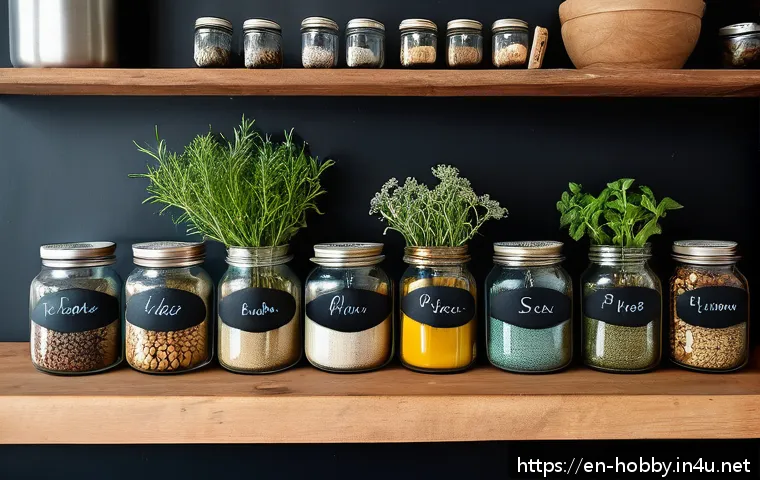
Once prepped, these jars can become versatile storage containers for pantry staples like spices, nuts, or dried herbs. Personally, I found that adding chalkboard labels or painting the lids with vibrant colors not only enhanced their look but also made it simpler to identify contents at a glance.
The best part? This approach keeps your kitchen tidy and reduces the need to buy new containers, which saves money and cuts down on plastic waste.
Creating Decorative Terrariums or Candle Holders
Another creative spin on glass jars is turning them into miniature terrariums or candle holders. I tried this with succulents and tiny air plants, and it was surprisingly relaxing to assemble these little green worlds.
For candle holders, simply placing a tealight inside a jar adorned with twine or lace transforms the ambiance of any room. The soft flicker of candlelight filtered through glass creates a cozy atmosphere, perfect for unwinding after a busy day.
Plus, using jars in this way gives them a second life and adds a personal touch to your decor.
Crafting Stylish Bathroom Organizers
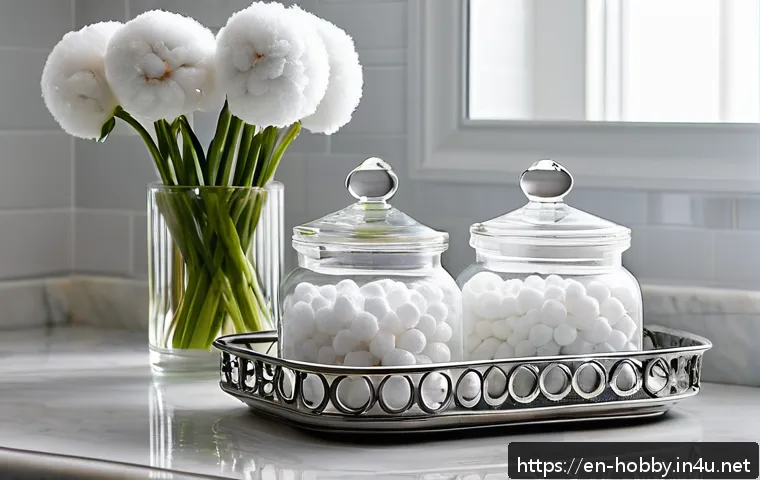
Bathrooms often suffer from clutter, but glass jars can help tame the mess. Filling them with cotton balls, Q-tips, or bath salts turns these everyday items into attractive displays.
I’ve found that grouping jars on a decorative tray not only looks neat but also makes daily routines feel a bit more luxurious. Adding essential oil drops to bath salts in jars also makes for a lovely scented experience.
This small change brought a spa-like vibe to my bathroom, and it’s an easy way to stay organized without spending a fortune.
Revamping Old Clothes with Artistic Flair
Turning T-Shirts into Trendy Tote Bags
Instead of discarding worn-out t-shirts, converting them into tote bags is a practical and eco-friendly choice. By cutting and sewing the fabric, or even knotting it without stitches for a no-sew option, you get a reusable bag perfect for groceries or casual outings.
I’ve experimented with this and was amazed at how sturdy these homemade totes can be, especially when reinforced at stress points. Plus, it’s a fun way to showcase your favorite old designs or colors while reducing plastic bag usage.
Adding Patches and Embroidery to Extend Life
Patching holes or embellishing old jeans and jackets with embroidery isn’t just about fixing damage—it’s about adding personality. I recall a jacket I revitalized with colorful floral embroidery patches that turned it from drab to eye-catching.
This method not only extends the garment’s life but also creates a unique piece you won’t find anywhere else. It’s a rewarding process that combines sewing skills with artistic expression, and honestly, people often compliment the custom look.
Creating No-Sew Accessories from Fabric Scraps
Fabric scraps from old clothes can be transformed into headbands, bracelets, or even braided keychains without the need for sewing. I started making these simple accessories to use up leftover materials, and they turned out to be great gifts for friends.
The beauty of no-sew projects is how accessible they are for beginners and how quickly you can see results. Plus, it’s a satisfying way to minimize textile waste and add handmade charm to your style.
Reimagining Paper Waste into Functional Art
Crafting Handmade Notebooks and Journals
Instead of throwing away scrap paper, turning it into handmade notebooks is a surprisingly simple craft. I gathered old printed sheets, cut them into uniform sizes, and bound them using staples or stitching.
Decorating the covers with recycled cardboard and personal touches like stamps or doodles gave these notebooks a charming, rustic feel. Using these for to-do lists or journaling adds a personal touch to everyday tasks and reduces paper waste in an enjoyable way.
Designing Personalized Gift Wrap and Cards
Old magazines, newspapers, or greeting cards can be repurposed into unique gift wrap or greeting cards. I once crafted a birthday card using magazine cutouts and handwritten messages, which felt way more meaningful than a store-bought version.
This approach encourages creativity and shows the recipient that extra thought and effort went into the gift presentation. It’s also a wonderful way to recycle paper that might otherwise be discarded.
Building Decorative Wall Art from Paper Scraps
Using leftover paper to create collages or framed art pieces can brighten up any room. I experimented with abstract designs and layered textures, which was a fantastic way to express myself artistically while being eco-conscious.
These DIY wall art projects serve as conversation starters and are perfect for renters or those hesitant to invest in expensive decor. Plus, it’s gratifying to know your artwork was born from what many would consider trash.
Elevating Wooden Pallets and Crates for Home Use
Transforming Pallets into Rustic Furniture
Wooden pallets are a treasure trove for DIY furniture makers. I’ve built everything from coffee tables to garden benches using pallets, and the raw, rustic look fits perfectly with casual or industrial decor styles.
The process involves sanding down rough edges, applying a protective finish, and assembling the pieces with screws or nails. Pallet furniture projects not only save money but also give discarded wood a new purpose, reducing landfill contributions.
Crafting Stylish Shelving Units and Storage
Old wooden crates can be stacked or mounted to create custom shelving units. I experimented with this in my home office, arranging crates horizontally and vertically to hold books, plants, and office supplies.
Adding caster wheels made the storage mobile, which was a game-changer for flexibility. This approach offers affordable, modular storage that can be easily adapted as your needs change.
Designing Outdoor Planters and Garden Features
Repurposed pallets and crates also make excellent planters for herbs, flowers, or succulents. I built a vertical garden on my balcony using pallet slats to hold small pots, maximizing space while adding greenery.
Wooden planters are breathable for soil and add a natural aesthetic to outdoor spaces. Plus, creating your own planters means you can customize size and style to fit your garden perfectly.
Breathing New Life into Plastic Containers
Converting Containers into Stylish Desk Organizers
Plastic containers from food or household products can be cleaned and transformed into desk organizers for pens, paperclips, or craft supplies. I found that cutting the containers at different heights and grouping them together creates a visually interesting and highly functional workspace.
Decorating the containers with washi tape or paint adds a personal flair that brightens the desk and boosts productivity.
Making Planters and Seed Starters
Using plastic containers as planters or seed starters is a practical way to reuse materials and support gardening efforts. I’ve used yogurt cups and takeout containers with drainage holes punched in the bottom to grow seedlings before transplanting them outdoors.
This method is economical and reduces the need to buy plastic pots, contributing to less plastic pollution.
Creating Fun Storage for Kids’ Crafts and Toys
Plastic containers are perfect for organizing small toys, craft supplies, or Lego pieces. Labeling each container helps kids learn to tidy up independently.
I noticed that colorful containers make clean-up time feel like less of a chore and more like a game. This small change helped my household reduce clutter and made it easier to find things quickly.
Innovative Uses for Metal Cans and Tins
Making Durable Utensil Holders
Empty metal cans can be cleaned and repurposed as utensil holders for kitchens or craft rooms. I experimented with covering cans in fabric or washi tape to match my decor, turning utilitarian objects into decorative pieces.
Their durability and size make them perfect for holding everything from spatulas to paintbrushes, keeping surfaces clutter-free and organized.
Creating Hanging Planters and Lanterns
Metal cans can be transformed into hanging planters by drilling holes for drainage and threading rope or wire for suspension. I made a few for my patio, planting herbs that are easy to access while cooking.
Alternatively, poking holes to create lantern patterns and placing candles inside produces beautiful light effects for outdoor evenings. These projects add charm and utility to small spaces.
Building Desk Accessories and Storage Solutions
Small tins are ideal for storing paperclips, push pins, or sewing supplies. I repurposed mint tins and decorated them with stickers and paint, which made organizing small items fun and visually appealing.
These tins are portable, making them great for carrying essentials on the go or keeping your workspace neat.
| Material | Common Source | Upcycling Idea | Benefits | Personal Tip |
|---|---|---|---|---|
| Glass Jars | Jam, Pickle Containers | Storage, Terrariums, Candle Holders | Reduces plastic use, decorative | Use chalkboard paint for labels |
| Old Clothes | T-Shirts, Jeans, Jackets | Tote Bags, Embroidery, Accessories | Extends garment life, unique style | Try no-sew braided bracelets |
| Paper | Scrap Paper, Magazines | Notebooks, Gift Wrap, Wall Art | Reduces paper waste, creative | Use stamps for cover designs |
| Wood | Pallets, Crates | Furniture, Shelving, Planters | Durable, rustic charm | Sand well for indoor use |
| Plastic Containers | Food Containers, Bottles | Desk Organizers, Planters, Storage | Reuses plastic, functional | Add drainage holes for plants |
| Metal Cans | Food Cans, Tins | Utensil Holders, Planters, Desk Storage | Durable, multi-purpose | Decorate with fabric or paint |
Creative Uses for Fabric Scraps and Leftover Textiles
Designing Patchwork Throws and Pillows
Combining fabric scraps into patchwork throws or pillow covers is a fantastic way to add color and texture to your living space. I pieced together remnants from old shirts and dresses to create a cozy lap blanket, which quickly became a favorite for chilly evenings.
The patchwork technique gives a charming, handmade look that’s both nostalgic and modern, and it’s a wonderful way to celebrate memories through fabric.
Crafting Reusable Facial Pads and Cleaning Cloths
Cutting soft fabric scraps into small squares to use as reusable facial pads or cleaning cloths is an easy and sustainable swap for disposable products.
I started making these to reduce waste in my skincare routine and found them gentle on my skin and effective for removing makeup. Washing and reusing these cloths has significantly cut down on cotton pad purchases, which feels great both environmentally and economically.
Making Playful Kids’ Toys and Stuffed Animals
Fabric leftovers can be transformed into simple stuffed toys or sensory objects for children. I stitched together small plush shapes filled with scraps or beans, creating whimsical toys that my nieces adore.
These handmade items are safe, personalized, and reduce the demand for mass-produced plastic toys. Plus, crafting them is a joyful activity that encourages creativity and bonding.
Innovative Storage Solutions from Everyday Waste
Building Multi-Use Containers from Cardboard Boxes
Cardboard boxes, often overlooked, can be transformed into stylish storage bins with the help of fabric, wallpaper, or paint. I covered several shoeboxes with patterned wrapping paper to organize office supplies, and the result was surprisingly polished.
This method offers a quick fix for clutter without purchasing new organizers, and it’s perfect for renters or temporary setups.
Creating Hanging Storage with Recycled Materials
Using items like old belts, fabric strips, or ropes to create hanging storage solutions adds vertical space to small rooms. I fashioned a hanging organizer for scarves and hats by attaching fabric loops to a wooden dowel, which freed up drawer space and made items easier to find.
This vertical storage hack is especially helpful in apartments or rooms with limited floor space.
Repurposing Food Containers into Drawer Dividers
Plastic food containers cut to size make excellent drawer dividers for utensils, stationery, or cosmetics. I cut yogurt tubs into smaller sections and arranged them inside drawers, which instantly improved organization.
This approach is affordable and easy to customize according to the drawer size and contents, making everyday access more efficient.
Personalized Home Decor from Unexpected Items
Transforming Bottle Caps into Unique Magnets
Collecting bottle caps and gluing magnets on the back is a simple craft that adds character to your fridge or magnetic boards. I decorated mine with photos, small drawings, or patterned paper, creating a rotating gallery of memories.
This small project is fun to do with friends or kids and turns waste into personalized decor.
Using Fabric Scraps for Colorful Garland and Banners
Cutting fabric scraps into strips and tying them to string creates festive garlands perfect for parties or seasonal decor. I made a few for birthdays and holiday celebrations, and they added a cheerful, homemade touch that store-bought decorations can’t match.
This is a budget-friendly way to brighten any space with a splash of color and texture.
Crafting Upcycled Lampshades from Old Materials
Covering existing lampshades with fabric, paper, or even recycled maps gives them a fresh, custom look. I revamped a dull lampshade by gluing on floral fabric scraps, which instantly lifted the room’s mood.
This is a fantastic way to refresh lighting fixtures without investing in new ones, adding warmth and style with minimal cost.
Repurposing Electronic Components into Art and Utility
Creating Wall Art from Circuit Boards and Wires
Old circuit boards, wires, and other electronic scraps can be used to make intriguing wall art pieces. I arranged these components on a wooden board, creating a futuristic mosaic that became a conversation starter.
This type of art celebrates technology while promoting reuse and is perfect for tech enthusiasts or modern decor lovers.
Building Functional Desk Organizers from Device Parts
Using parts from broken electronics like CD holders or keyboard keys can result in quirky desk organizers. I repurposed a CD rack to hold stationery and glued keyboard keys onto a container for a tactile design.
These creations combine functionality with a geek-chic aesthetic that’s both practical and eye-catching.
Assembling Jewelry and Accessories from Small Components
Tiny electronic parts like resistors, capacitors, and buttons make unique jewelry or accessory elements. I made earrings and brooches using these pieces, which always get compliments for their originality.
Crafting with electronic scraps not only reduces waste but also allows for one-of-a-kind fashion statements that express personality.
In Closing
Upcycling everyday items not only breathes new life into what might otherwise be discarded but also sparks creativity and environmental mindfulness. From glass jars to old clothes, each project offers a practical way to reduce waste while adding charm and functionality to your space. By embracing these ideas, you contribute to a sustainable lifestyle without sacrificing style or convenience.
Helpful Tips to Remember
1. Always clean and prep materials thoroughly before starting any upcycling project to ensure the best results and longevity.
2. Personalizing your upcycled items with labels, paint, or decorations enhances both usability and aesthetic appeal.
3. Experiment with no-sew techniques or simple hand stitching to make projects more accessible and enjoyable, especially for beginners.
4. Use multi-purpose containers and modular designs to maximize storage flexibility and adapt to changing needs.
5. Incorporate natural elements like plants or essential oils to add sensory benefits and a touch of nature to your upcycled creations.
Key Takeaways
Upcycling transforms waste into valuable, stylish, and functional items that reduce environmental impact and save money. Prioritizing preparation, customization, and versatility ensures projects are both practical and visually appealing. Whether you’re organizing your home, refreshing decor, or creating gifts, thoughtful reuse supports sustainability while expressing your personal style.
Frequently Asked Questions (FAQ) 📖
Q: How can I start upcycling at home if I have no prior experience?
A: Starting upcycling at home is easier than you might think! Begin by gathering simple items you’d usually throw away, like glass jars, old t-shirts, or cardboard boxes.
Look for beginner-friendly projects such as turning jars into candle holders or planting pots, or transforming a worn-out tee into a reusable shopping bag.
You don’t need fancy tools—just scissors, glue, or paint to get going. The key is to experiment and enjoy the process without worrying about perfection.
Over time, you’ll find your own creative flow and unique style.
Q: What are some practical benefits of upcycling besides reducing waste?
A: Upcycling offers a bunch of practical perks beyond just cutting down on landfill contributions. For one, it saves money—you get stylish, personalized items without buying new stuff.
It also encourages creativity and mindfulness, which can be surprisingly relaxing and fulfilling. Plus, many upcycled projects make great gifts or home décor that carry a personal story, adding character to your space.
From my own experience, it’s like turning everyday objects into little treasures that brighten both your home and your mood.
Q: Are there any safety tips I should keep in mind when upcycling materials?
A: Absolutely! Safety is important, especially if you’re working with tools, paints, or potentially sharp objects. Always use gloves when handling glass or rough materials, and work in a well-ventilated area if you’re using spray paints or adhesives.
Double-check that any items you’re repurposing, like containers, are clean and free of harmful residues. If kids are involved, supervise them closely and choose projects appropriate for their age.
Taking these precautions helps ensure your creative journey stays fun and accident-free.