So, you’re thinking of starting a photo blog? Awesome! In a world overflowing with images, a well-curated photography blog can be a real standout.
It’s more than just sharing pretty pictures; it’s about storytelling, connecting with others, and maybe even turning your passion into a side hustle or full-time gig.
I’ve been snapping away for years, and trust me, there’s always something new to learn in the ever-evolving world of digital photography and online content creation.
From gear reviews to finding your niche and building a community, there are countless ways to make your blog shine. Let’s dive into the essentials, and I’ll reveal how to set your photo blog apart from the crowd.
Let’s get a solid handle on exactly how to do it!
Okay, I understand. Let’s get to it.
Crafting Your Photo Blog’s Identity

1. Define Your Niche and Audience
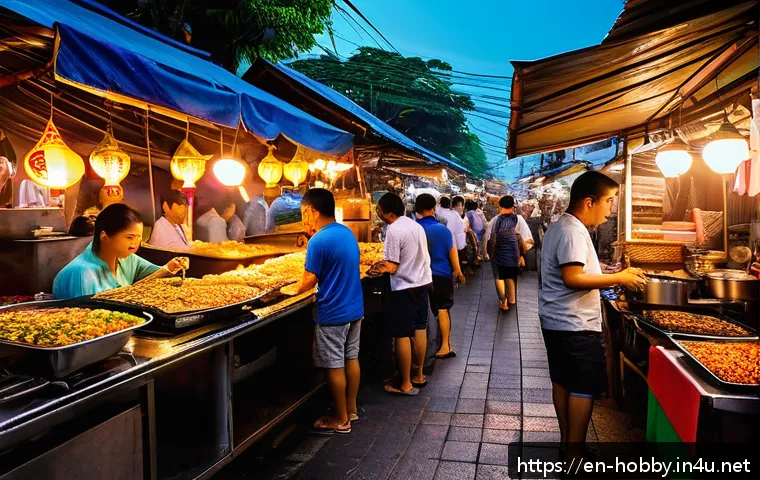
Before you even think about megapixels or ISO, you need to figure out *who* you’re talking to and *what* you’re saying. Are you a street photography enthusiast capturing the raw energy of urban life?
Or maybe a nature lover showcasing the serene beauty of landscapes? Perhaps you’re all about portraits, documenting the human story one face at a time.
Knowing your niche helps you focus your content and attract a loyal audience. I remember when I started out, I tried to be everything to everyone. Gear reviews, travel photography, even the occasional food pic!
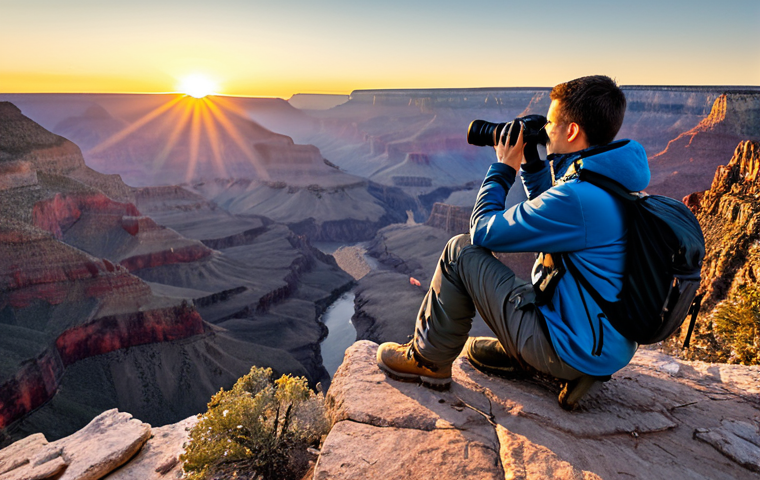
It was a mess. My traffic was all over the place, and honestly, I was burning out trying to keep up with it all. It wasn’t until I narrowed my focus to landscape photography – specifically, capturing the dramatic light of the American Southwest – that things really started to click.
My audience grew, engagement soared, and I actually started enjoying the process again. Don’t just pick a niche because it seems popular. Choose something you’re genuinely passionate about.
That passion will shine through in your photos and your writing, drawing people in and keeping them coming back for more. * Think about your skills and interests.
What do you love to photograph? * Research existing blogs in your chosen niche. What are they doing well?
Where are there gaps you can fill? * Consider your target audience. Who are you trying to reach?
What are their interests and pain points?
2. Name and Brand Your Blog for Impact
Your blog’s name and brand are your first impression. It needs to be memorable, relevant, and easy to spell (trust me on that one!). Avoid generic names like “John’s Photos” or “Photography Blog.” Instead, aim for something that reflects your niche and personality.
Think about how you want people to perceive your brand. Do you want to be seen as professional and authoritative? Or quirky and approachable?
Your branding should reflect your desired image. That means your logo, color scheme, and even the tone of your writing should be consistent and aligned with your brand identity.
I once helped a friend rebrand his photography blog. His old name was something super generic, and his site looked like it hadn’t been updated since 2005.
We came up with a new name that was catchy and relevant to his landscape photography niche, redesigned his logo with a modern, minimalist aesthetic, and revamped his website with a clean, user-friendly layout.
The results were amazing! His traffic doubled within a few months, and he started attracting high-paying clients. * Brainstorm a list of potential names.
Get feedback from friends and family. * Check if the name is available as a domain and social media handle. * Design a logo that is visually appealing and reflects your brand.
* Choose a color scheme that is consistent with your brand and easy on the eyes.
Mastering the Art of Visual Storytelling
3. High-Quality Images are Non-Negotiable
I know it sounds obvious, but you wouldn’t believe the number of blurry, poorly lit photos I see on photography blogs. Your photos are the main attraction, so they need to be top-notch.
Invest in good equipment, learn the fundamentals of photography, and spend time editing your images to perfection. And it’s not just about the technical aspects.
It’s about telling a story with your photos. Think about the composition, the lighting, the colors, and how they all work together to create a mood and convey a message.
I remember one time I was shooting a sunrise over the Grand Canyon. The light was incredible, but I wasn’t feeling the composition. I moved around, tried different angles, and nothing seemed to work.
Finally, I decided to focus on a single, solitary tree clinging to the edge of the canyon. The tree became a symbol of resilience and perseverance, and the photo told a story about the power of nature to endure even in the harshest environments.
* Use high-resolution images that are properly exposed and sharp. * Edit your photos to enhance their colors, contrast, and sharpness. * Crop your photos to improve their composition and remove distractions.
* Tell a story with your photos. Think about the mood, the message, and the emotions you want to convey.
4. Optimize Images for Web Performance
Huge, unoptimized images are the bane of any website’s existence. They slow down loading times, frustrate visitors, and can even hurt your search engine rankings.
Before you upload any image to your blog, make sure it’s properly optimized for the web. This means resizing your images to the appropriate dimensions, compressing them to reduce file size, and using descriptive file names and alt tags.
There are plenty of free online tools and plugins that can help you with this process. I’ve seen websites where each image was several megabytes in size!
Imagine trying to load a page with ten of those. It’s a recipe for disaster. Optimizing your images can make a huge difference in your website’s performance and user experience.
* Resize your images to the appropriate dimensions for your blog layout. * Compress your images to reduce file size without sacrificing quality. * Use descriptive file names that include relevant keywords.
* Add alt tags to your images to improve accessibility and SEO.
Building a Thriving Community
5. Engage with Your Audience Regularly

A blog is a conversation, not a monologue. Respond to comments, ask questions, and encourage your audience to share their own photos and stories. Create a sense of community where people feel welcome and valued.
Social media is your best friend here. Share your blog posts on social media, participate in relevant online communities, and engage with other photographers.
The more you connect with others, the more your blog will grow. I made it a habit to reply to every single comment on my blog. It takes time, but it shows people that you care about their opinions and that you’re genuinely interested in connecting with them.
* Respond to comments and questions promptly and thoughtfully. * Ask questions to encourage engagement and discussion. * Run contests and giveaways to reward your loyal readers.
* Share your blog posts on social media and participate in relevant online communities.
6. Collaborate with Other Photographers
Networking with other photographers can open up a world of opportunities. You can guest post on each other’s blogs, collaborate on photo projects, or simply share each other’s work on social media.
The key is to find photographers whose style and values align with yours. I’ve met some of my closest friends and collaborators through photography. We bounce ideas off each other, provide feedback on each other’s work, and support each other’s goals.
It’s an invaluable resource. * Reach out to photographers whose work you admire and ask if they’d be interested in collaborating. * Offer to write a guest post for their blog or interview them for your own.
* Share their work on social media and tag them in your posts. * Attend photography events and workshops to meet other photographers in person.
Monetizing Your Photo Blog
7. Explore Different Revenue Streams
Turning your passion into profit is the dream, right? There are several ways to monetize your photo blog. You can sell prints, offer photography workshops, write sponsored posts, or run ads on your site.
The key is to find a monetization strategy that aligns with your brand and your audience’s interests. I personally sell prints of my landscape photography through my blog.
It’s a great way to generate passive income and share my work with a wider audience. I also offer online photography courses, which are a great way to share my knowledge and expertise.
* Sell prints of your photos through your blog or an online marketplace. * Offer photography workshops or online courses. * Write sponsored posts for brands that align with your niche.
* Run ads on your blog using Google AdSense or other advertising platforms. * Create and sell presets or editing tools. * Affiliate marketing – recommend products you use and love, earning a commission on sales.
8. Understand SEO to Drive Organic Traffic
I can’t stress this enough. Search Engine Optimization (SEO) is how people find your blog in the first place! SEO is all about optimizing your website and content to rank higher in search engine results.
This involves using relevant keywords, writing high-quality content, building backlinks, and making sure your website is mobile-friendly. I spent months learning about SEO and experimenting with different strategies.
It’s a complex and ever-changing field, but it’s essential if you want to drive organic traffic to your blog. * Research relevant keywords and use them throughout your website and content.
* Write high-quality, informative, and engaging content that provides value to your readers. * Build backlinks from other reputable websites in your niche.
* Make sure your website is mobile-friendly and loads quickly. * Utilize SEO plugins like Yoast or Rank Math. Here’s a table summarizing some monetization strategies for your photo blog:
| Monetization Method | Description | Pros | Cons |
|---|---|---|---|
| Selling Prints | Offering physical prints of your photos for sale. | Direct revenue, showcases your best work. | Requires fulfillment, inventory management. |
| Workshops/Courses | Teaching photography skills through online or in-person classes. | High profit potential, establishes expertise. | Requires preparation, time commitment. |
| Sponsored Posts | Partnering with brands to create content featuring their products. | Good revenue, potential for long-term partnerships. | Can alienate audience if not authentic. |
| Advertising | Displaying ads on your blog using platforms like Google AdSense. | Passive income, easy to set up. | Low earnings per click, can be intrusive. |
Remember, success in the photo blogging world takes time, effort, and passion. Stay consistent, keep learning, and never stop exploring your creative vision.
Good luck! Let’s wrap this up. Starting a photo blog is a journey, not a destination.
It’s about honing your craft, connecting with fellow enthusiasts, and sharing your unique perspective with the world. So grab your camera, fire up your laptop, and start creating!
Remember to always prioritize quality, engage authentically, and stay true to your vision.
Helpful Tips & Tricks
1. Invest in a Good Monitor: Color accuracy is crucial for photo editing. A high-quality monitor will ensure your images look their best, both on your screen and in print.
2. Learn Keyboard Shortcuts: Mastering keyboard shortcuts in your editing software (like Adobe Photoshop or Lightroom) can significantly speed up your workflow. For example, in Photoshop, try ‘Ctrl+Z’ (or ‘Cmd+Z’ on Mac) to undo an action.
3. Back Up Your Photos Regularly: Data loss is a photographer’s worst nightmare. Implement a robust backup system that includes both local and cloud storage. Services like Backblaze or Carbonite offer affordable and reliable cloud backup solutions. I use a combination of an external hard drive and Google Drive just to be safe.
4. Embrace Negative Space: Don’t be afraid to leave empty space in your compositions. Negative space can draw the viewer’s eye to the subject and create a sense of balance and harmony. It’s a concept I find myself constantly revisiting.
5. Join Local Photography Groups: Connecting with other photographers in your area can provide invaluable support, inspiration, and networking opportunities. Check out platforms like Meetup.com or local photography clubs in your city or town.
Key Takeaways
*
Define your niche, brand yourself effectively, and consistently create high-quality images.
*
Optimize your images for web performance to improve user experience and SEO.
*
Engage with your audience, collaborate with other photographers, and explore diverse monetization strategies.
*
Never stop learning, experimenting, and refining your craft to achieve long-term success.
Frequently Asked Questions (FAQ) 📖
Q: So, I’m totally new to this – what’s the one thing I absolutely have to nail to make my photo blog successful?
A: Okay, listen, it’s not about having the fanciest camera or editing skills right off the bat. Honestly, the secret sauce is finding your niche. I mean, think about it: there are millions of photos swirling around online.
What makes your work different? Maybe you’re obsessed with capturing street scenes in your hometown, or you’re a whiz at macro photography of insects.
Find what genuinely excites you, what you’re good at, and build your blog around that. People will connect with your passion, trust me. Don’t try to be everything to everyone.
Trust me, I learned that the hard way after trying to review every piece of camera equipment under the sun!
Q: What about actually building a community? Just posting great photos isn’t enough, right? I mean, how do I get people to actually care?
A: You’re absolutely right, beautiful pictures are just the bait. The real connection happens in the comments and through engagement. Think of your blog as a digital coffee shop.
Respond to every comment, even the generic “great photo!” ones. Ask questions in your captions, like “What do you think this sunset reminds you of?” or “What’s your favorite time of day to shoot?”.
Run contests, collaborate with other photographers, maybe even host a local photography walk. I remember when I first started, I felt like I was shouting into the void, but then I started replying to every single comment I received, and it made all the difference.
Show that you are human, a real person behind the photos. People will care if they feel you care about them.
Q: I’m a bit worried about copyright and using other people’s work, even just for inspiration. What are the boundaries I should be aware of?
A: Yeah, that’s a really smart concern. It’s super important to respect copyright. Basically, don’t ever use someone else’s photo without their explicit permission.
Even if you find something online that seems “free,” double-check the licensing. Look for Creative Commons licenses and understand the terms of use. As for inspiration, it’s perfectly fine to be inspired by other photographers’ work, but don’t directly copy their style or composition.
Develop your own unique voice, and put your own spin on it. I once accidentally posted a picture that looked a little too similar to a famous landscape shot, and I received a very polite but firm email from the photographer’s lawyer.
Lesson learned: always be original!
📚 References
Wikipedia Encyclopedia
구글 검색 결과
구글 검색 결과
구글 검색 결과