You know, there’s something truly special about peeling back the layers of a city, isn’t there? I’ve spent years chasing those elusive, authentic experiences that guidebooks often miss, and let me tell you, the thrill of stumbling upon a hidden alleyway cafe or a forgotten historic landmark is unmatched.
It’s more than just sightseeing; it’s about connecting with the soul of a place, feeling its pulse, and uncovering the stories whispered by its old walls.
The latest buzz around urban exploration isn’t just about abandoned spots anymore; it’s about diving deep into a city’s genuine culture, finding those unexpected moments, and even discovering how technology like AR tours is redefining how we interact with history, giving us a peek into what was, and what could be.
This type of travel, the kind that prioritizes local life and sustainable practices, is what truly enriches our journeys, making every trip feel like a personal discovery rather than just another vacation.
It’s all about creating memories that linger long after you’ve returned home, armed with tales that no one else has. Have you ever wondered what it’s like to truly *live* a city, not just visit it?
To bypass the tourist traps and uncover the vibrant, beating heart of urban life? I’ve been doing just that, seeking out the genuine stories and secret spots that make each city unique.
This isn’t your average vacation; it’s about deep dives, authentic encounters, and finding those moments that truly resonate. Let’s dive in and find out more!
Unlocking the City’s True Narrative
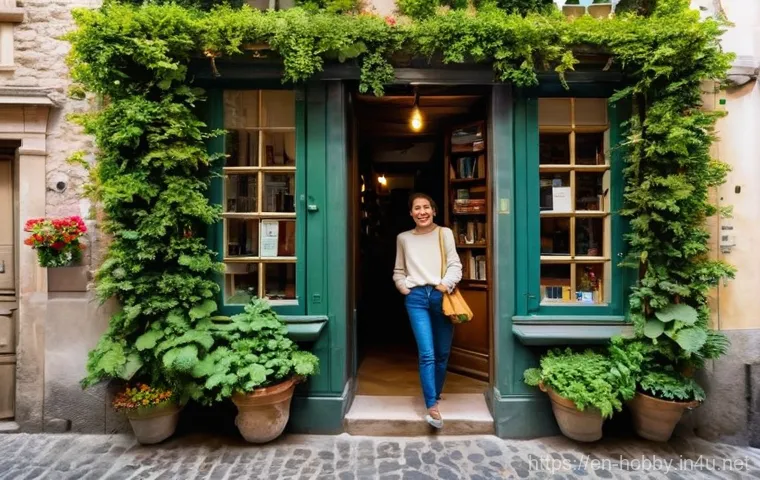
You know, there’s a distinct difference between seeing a city and truly *feeling* it. I’ve spent countless hours wandering countless streets, from the cobbled alleys of Boston to the bustling markets of Marrakech, and what I’ve learned is that the real magic lies beyond the polished facades and well-trodden tourist paths. It’s in those moments when you stumble upon a tiny bookstore that’s been run by the same family for generations, or when you join a local football match in a neighborhood park. These aren’t just sights; they’re snippets of life, glimpses into the very soul of a place that most guidebooks completely overlook. My personal quest has always been to peel back those layers, to understand the subtle rhythms and unwritten rules that govern daily life. It means striking up conversations with shopkeepers, observing the morning commute, and letting curiosity be my compass, often leading me down unexpected but utterly rewarding detours. Trust me, the stories you uncover this way are far more profound and personal than anything you’ll read in a travel brochure, forging a deeper connection with your destination.
Embracing the Unexpected Alleys
I distinctly remember one trip to London, armed with a map that I promptly folded away. Instead, I decided to just walk, turning down every intriguing alleyway or side street that caught my eye. It led me to a charming little mews, hidden behind bustling main roads, filled with quaint houses and blooming window boxes – a secret garden in the heart of the city. These unexpected detours are where the true character of a place reveals itself. You see, the most memorable experiences often aren’t planned; they’re discovered through a willingness to get a little lost, to shed the fear of the unknown, and to trust that fascinating discoveries await just around the corner. It’s about letting the city guide you, rather than trying to conquer it with a rigid itinerary, making each journey uniquely yours.
Listening to Local Voices
One of the most enriching parts of my travels has been the simple act of listening. Whether it’s sharing a coffee with an elderly artisan in Rome who tells you about his craft, or chatting with a barista in Seattle about the best local hiking trails, these interactions are invaluable. I’ve found that locals are often thrilled to share their favorite spots and traditions with an interested ear. It’s not just about getting recommendations; it’s about gaining an authentic perspective, understanding the nuances of local humor, the pride in their heritage, and the challenges they face. These conversations transform a superficial visit into a genuine exchange, making you feel less like an outsider and more like a temporary resident, even if just for a day.
Beyond the Postcard: Finding Your Local Pulse
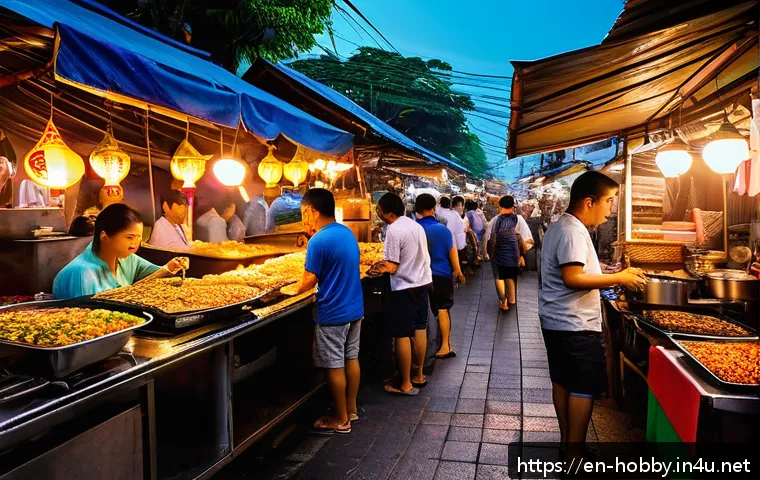
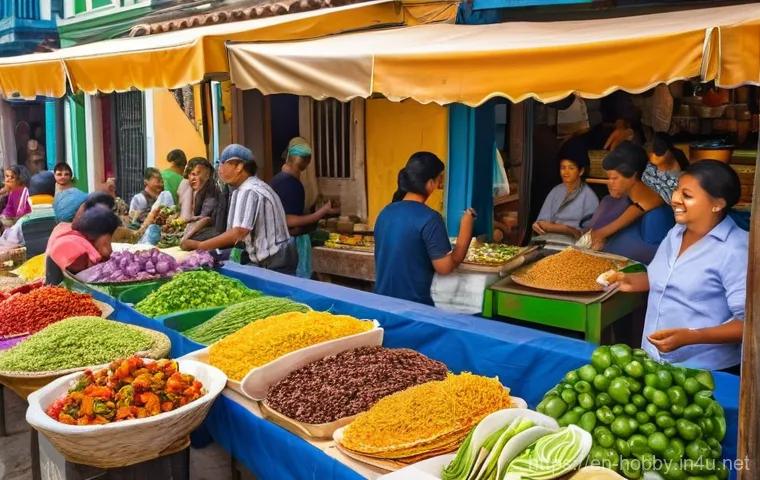
Honestly, how many times can you look at the same famous landmark before it all starts to blend together? For me, the real thrill of travel kicks in when I can get away from the throngs of tourists and immerse myself in where the locals actually live, eat, and play. My philosophy is simple: if it’s in every guidebook, it’s probably not where the real action is. I’m always on the hunt for those hole-in-the-wall eateries that serve up authentic, unpretentious dishes, or the vibrant neighborhood markets where you can haggle for fresh produce and unique crafts alongside the residents. It’s about more than just food or shopping; it’s about experiencing the daily rhythm, understanding the economic pulse, and seeing how community life unfolds away from the curated perfection of tourist brochures. I’ve discovered some of my favorite memories not in grand museums, but in small, unassuming plazas where families gather in the evenings, sharing stories and laughter, making me feel right at home.
Savoring Authentic Local Flavors
Forget the fancy restaurants; my taste buds lead me straight to the street food vendors and family-run diners. There’s something so honest and vibrant about a bustling local market, like Borough Market in London, where the aromas alone tell a story. I remember discovering a tiny taco stand in Mexico City, tucked away on a side street, that served the most incredible al pastor tacos I’ve ever tasted – a secret known only to locals. These aren’t just meals; they’re cultural experiences, often prepared with generations of tradition and love. It’s about embracing the unfamiliar, being open to new tastes and textures, and letting your culinary adventure guide you. Plus, the prices are usually much kinder on the wallet, leaving more room in the budget for further explorations!
Engaging with Community Life
Finding local events, whether it’s a farmers market, a free concert in the park, or even a community art fair, is a fantastic way to connect. I once stumbled upon a vibrant jazz festival in New Orleans that wasn’t advertised anywhere for tourists – it was purely for the local community. The energy was electric, and I felt completely immersed, dancing alongside people who had grown up with the music. These moments provide a genuine snapshot of a city’s heart and soul, offering an unparalleled sense of belonging. Look for local bulletin boards, check community websites, or simply ask a friendly face – you’d be surprised how eager people are to share what makes their neighborhood special. It’s about being present and allowing yourself to be part of the everyday fabric of the place you’re visiting.
The Art of Slow Travel in Bustling Metropolises
In our fast-paced world, it’s so easy to fall into the trap of trying to cram every single sight into a whirlwind itinerary. But trust me, I’ve learned that truly experiencing a city isn’t about ticking off a list; it’s about slowing down, breathing it all in, and letting the place unfold around you. My most memorable trips have been those where I allowed myself the luxury of lingering – sitting at a café for hours, people-watching, or spending an entire afternoon exploring just one neighborhood in depth. This isn’t just about relaxation; it’s about deeper immersion. When you slow down, you start noticing the intricate details: the architecture, the public art, the way light hits a certain building, or the subtle changes in neighborhood character. It allows for serendipitous encounters and discoveries that are simply impossible when you’re rushing from one attraction to the next. It transforms travel from a frantic race into a mindful journey, where every moment has the potential to become a cherished memory.
Mastering the Art of Flânerie
There’s a beautiful French word, “flânerie,” which essentially means strolling aimlessly, observing life. This is a practice I’ve wholeheartedly adopted. I often dedicate entire mornings to just walking, without a specific destination in mind, letting my intuition guide me. In Paris, this led me to discover a stunning, mosaic-covered storefront I would have otherwise walked right past. In New York, it was an incredibly vibrant community garden hidden between skyscrapers. It’s about being present, open, and receptive to the subtle cues of your surroundings. When you become a flâneur, the city becomes your living museum, each corner offering a new exhibit, a new story, and a deeper appreciation for the urban tapestry that surrounds you. It’s a truly liberating way to travel, allowing for organic discovery.
Embracing Extended Stays in One Area
Instead of hopping between multiple hotels across a city, I’ve found immense value in choosing one neighborhood and really getting to know it. Renting an Airbnb for a week or more in a residential area, for example, allows you to adopt a local routine. You discover your favorite morning coffee spot, the best grocery store, and the local park where people walk their dogs. This immersion transforms your experience from that of a tourist to feeling like a temporary resident. I remember spending a week in the Trastevere district of Rome, and by the end, I was greeting shop owners by name and felt a genuine connection to the community. This extended engagement reveals the true rhythm and personality of a neighborhood in a way that quick visits never could.
Tech-Enhanced Discoveries: Augmented Reality and Beyond
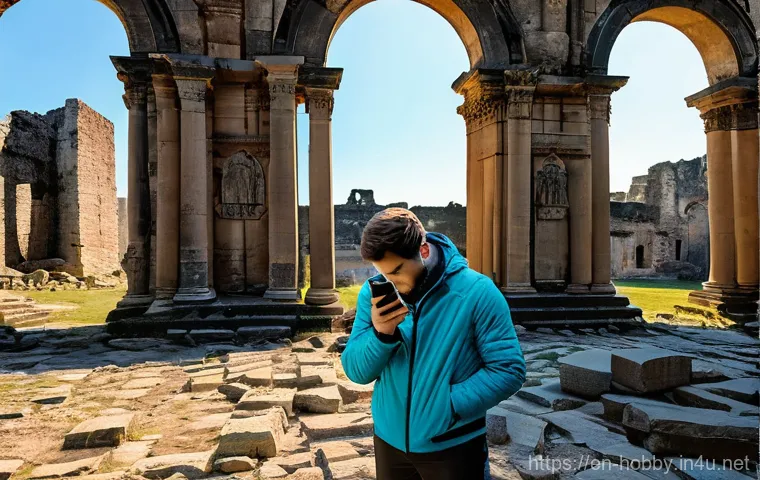
While I cherish the old-school charm of getting lost, I’m also a huge advocate for how technology can profoundly enhance our urban explorations, especially in ways that guidebooks simply can’t. We’re living in an era where our smartphones aren’t just for navigation; they’re powerful tools for unlocking deeper layers of a city’s history and culture. I’ve personally experimented with Augmented Reality (AR) tours, and let me tell you, seeing Roman gladiators battle in the Colosseum, or experiencing what a historic market street looked like centuries ago, right there in front of your eyes through your phone, is absolutely mind-blowing. It transforms static ruins and old buildings into vibrant, living testaments of the past. This isn’t about replacing authentic interaction, but rather enriching it, giving you context and a perspective that would otherwise require immense imagination or a dedicated historian by your side. It makes history tangible and incredibly engaging, especially for those of us who learn best by seeing and doing. The future of urban discovery is definitely intertwined with smart tech, and it’s exciting to be a part of it.
Bringing History to Life with AR
My first experience with an AR history app was in an ancient part of Edinburgh. Pointing my phone at what was essentially a stone foundation, the screen transformed, overlaying a bustling 17th-century marketplace, complete with people, stalls, and even the sounds of the era. It was like time travel! This kind of technology allows us to truly visualize what once was, adding incredible depth to historical sites. It moves beyond static plaques and dusty descriptions, creating an interactive narrative that’s both educational and incredibly fun. I’ve found that these AR experiences often spark further curiosity, prompting me to research more about the history I just “witnessed” firsthand. It’s a dynamic way to engage with heritage, making it accessible and exciting for everyone, regardless of their prior knowledge.
Smart Apps for Seamless Exploration
Beyond AR, there’s a whole ecosystem of smart apps that have become indispensable for my city adventures. Think about apps that provide real-time public transport information, highlighting the quickest routes and even showing you where your bus is on the map. Or language translation apps that let you confidently order food or ask for directions in a foreign tongue. I also rely on apps that identify local flora and fauna, or even those that help you find the best hidden coffee shops based on local reviews, not just tourist traps. These tools aren’t just conveniences; they empower you to explore with greater confidence and efficiency, allowing you to venture further off the beaten path without feeling completely adrift. They truly bridge the gap between being a visitor and navigating a city like a local, making every step of the journey smoother.
Fueling Your Adventures: Savory Bites and Secret Sips
Let’s be real, a huge part of truly experiencing a city is through its food and drink. I’ve always believed that you can learn so much about a culture just by observing what people eat, how they prepare it, and where they gather to enjoy it. For me, the quest for the perfect local bite or that hidden speakeasy isn’t just about satisfying hunger; it’s an adventure in itself, often leading to unexpected conversations and discoveries. I remember spending an entire afternoon in Lisbon trying to find a specific pasteis de nata bakery that a local recommended – it was off a tiny alley, had no signage, but served the most incredible pastries I’ve ever had. These culinary explorations become intertwined with your overall journey, adding rich layers to your memories. It’s about being brave enough to try something new, even if you can’t pronounce it, and trusting that the local palate knows best. And let’s not forget the simple joy of a perfectly brewed coffee in a charming, independent cafe, watching the world go by.
Unearthing Hidden Culinary Gems
My go-to strategy for finding truly authentic food is to avoid anything with pictures on the menu and to look for places bustling with locals. Yelp and Google Maps can be great, but often the best spots are found through word-of-mouth or by simply observing where residents are queuing. I’ve unearthed incredible taquerias in Los Angeles, family-run trattorias in Italy, and unassuming ramen shops in Tokyo by following this principle. It requires a bit of courage and a willingness to step outside your comfort zone, but the rewards are always delicious and memorable. These places often have a story, a history passed down through generations, and the food reflects that dedication and passion. It’s about supporting local businesses and experiencing cuisine that truly represents the heart of the city.
Discovering Unique Beverage Experiences
Beyond food, I’m always on the lookout for unique local beverages, whether it’s a craft beer from a microbrewery, a specialty cocktail at a clandestine bar, or a traditional tea house with a long history. In Portland, Oregon, I spent an evening at a hidden bar accessible only through a bookshelf, serving bespoke cocktails that were miniature works of art. In Kyoto, I found a serene tea house overlooking a beautiful garden, where the matcha ceremony was a profound cultural experience. These aren’t just places to drink; they are venues for cultural exchange, where you can unwind, reflect on your day, and perhaps strike up a conversation with fellow adventurers or friendly locals. It adds another dimension to your urban exploration, allowing you to taste and sip your way through a city’s vibrant character.
| Exploration Style | Key Benefits | My Top Tip | Potential Cost Savings |
|---|---|---|---|
| Slow Travel / Flânerie | Deeper cultural immersion, less stress, serendipitous discoveries, enhanced personal reflection. | Dedicate at least one full day to aimless walking with no fixed itinerary. Let your curiosity lead. | Often involves less paid transportation; more walking/public transit. |
| Local Eateries & Markets | Authentic culinary experiences, support local economy, unique flavors, often better value. | Ask a local where THEY eat, or look for busy spots with no English menu. | Typically much cheaper than tourist-focused restaurants. |
| Tech-Enhanced Exploration | Rich historical context via AR, efficient navigation, seamless communication, better photo opportunities. | Download offline maps and translation apps before you leave your accommodation. | Can reduce need for paid tour guides for historical context. |
| Ethical & Sustainable Choices | Positive impact on host community, feel-good travel, unique handmade souvenirs, promotes cultural preservation. | Prioritize local businesses, use public transport, and minimize waste during your stay. | Less reliance on expensive, non-local services. |
Making an Impact: Ethical Exploration and Community Support
You know, for me, urban exploration isn’t just about personal discovery; it also carries a responsibility. As travelers, we have a unique opportunity to make a positive impact on the places we visit, especially in vibrant city environments. This means actively seeking out ways to support local economies, respecting cultural norms, and minimizing our environmental footprint. I’ve learned that small choices can have a big ripple effect. Opting for locally owned shops over international chains, choosing public transportation or walking instead of ride-shares, or even just being mindful of waste – these actions collectively contribute to the well-being of the community. It’s about leaving a place better than you found it, fostering a sense of mutual respect between visitor and resident. My most rewarding travel moments often come from knowing that my presence has contributed positively, rather than merely consumed. It transforms a simple trip into a meaningful exchange, aligning your adventures with your values, which feels incredibly good.
Supporting Local Artisans and Businesses
When I’m exploring a city, I make it a point to seek out independent boutiques, art galleries, and craft markets. I remember buying a beautiful, hand-woven scarf from a street vendor in Florence, knowing that my purchase directly supported her livelihood and a traditional craft. It feels so much more fulfilling than buying a mass-produced souvenir. These purchases not only give you a unique, authentic memento, but they also channel your travel dollars directly into the hands of the people who make the city special. It’s about consciously choosing to invest in the local economy, helping small businesses thrive and preserving the unique character of the place. Before you buy, ask yourself: is this product unique to this place? Who benefits from my purchase? Your choices truly matter.
Practicing Mindful and Respectful Engagement
Being a respectful traveler is paramount. This means understanding and adhering to local customs, even if they differ from your own. It might involve dressing modestly when visiting religious sites, learning a few basic phrases in the local language, or simply being quiet and observant in public spaces. I recall a time in Japan when I realized I was speaking too loudly in a quiet temple garden; a quick adjustment made all the difference in my experience and my respect for the surroundings. It’s about cultural sensitivity and approaching every interaction with an open mind and a humble heart. Being mindful also extends to environmental practices: using refillable water bottles, disposing of trash properly, and opting for eco-friendly accommodations when possible. Our goal should always be to enrich our experiences without diminishing the beauty or integrity of the places we visit.
Packing Smart: Essentials for the Modern Urban Adventurer
Okay, let’s talk practicalities, because even the most intrepid urban explorer needs to be prepared! Over the years, I’ve learned that a well-packed bag can make or break a city adventure. It’s not about hauling tons of gear; it’s about intelligent choices that maximize comfort, efficiency, and readiness for anything a bustling metropolis might throw your way. My packing philosophy has evolved to focus on versatility, durability, and a surprising amount of tech. I’ve had my share of uncomfortable shoes, dead phone batteries, and missed opportunities because I wasn’t carrying the right things, so now I swear by a minimalist but mighty approach. Think layers for unpredictable weather, comfortable footwear for miles of walking, and portable power for all your gadgets. Trust me, being prepared lets you truly immerse yourself without constant worries about discomfort or inconvenience. It frees you up to embrace every unexpected turn and hidden gem without a second thought, which is exactly what urban exploration is all about.
The Right Footwear and Apparel Layers
If there’s one piece of advice I can give, it’s this: invest in comfortable shoes. You’re going to be walking *a lot*. I’ve tried everything from fashionable sneakers to sturdy boots, and my personal preference leans towards lightweight, supportive walking shoes that look good enough for city life but can handle cobblestones and endless avenues. Beyond shoes, layering is key. City weather can be notoriously fickle – a warm morning can turn into a chilly evening, or a sudden downpour can catch you off guard. I always pack a light, waterproof jacket, comfortable t-shirts, and a versatile sweater or cardigan. This way, you’re prepared for temperature shifts without having to return to your accommodation constantly. It’s about being adaptable and ready for whatever the urban climate has in store, ensuring your comfort no matter the conditions.
Essential Gadgets and Power Solutions
While I advocate for disconnecting, some tech is simply non-negotiable for modern urban exploration. A reliable smartphone, of course, is your map, translator, camera, and communication hub. But crucially, you need to keep it charged. I never leave my accommodation without a portable power bank, especially one with fast-charging capabilities. There’s nothing worse than running out of battery just as you’re trying to find that incredible street art spot or navigate back to your hotel. Additionally, consider a universal travel adapter if you’re traveling internationally, and perhaps a small, lightweight tripod for capturing stable photos or timelapses. These aren’t just conveniences; they’re tools that empower your exploration, ensuring you capture memories and stay connected when it truly matters, without missing a beat.
Navigating Urban Labyrinths: Tips for Getting Around
When you’re diving deep into a city, mastering its transportation isn’t just about getting from point A to point B; it’s an integral part of the experience itself. I’ve found that using local transit systems offers an unparalleled view into daily life, far more so than simply hopping into taxis or ride-shares. There’s a certain thrill in deciphering subway maps in a foreign language, or figuring out the bus routes that weave through residential neighborhoods. It connects you to the rhythm of the city and its people. My best advice? Don’t be intimidated. Most major cities have incredibly efficient public transport, and with a little research, you can navigate them like a pro. It’s also often the most cost-effective and environmentally friendly way to travel, allowing you to save your budget for those delicious local meals and unique souvenir finds. Plus, the people-watching on a busy metro line or a classic streetcar is absolutely priceless, offering endless entertainment and insights into urban culture.
Mastering Public Transportation Like a Local
My strategy for public transport starts even before I land. I’ll look up the city’s main transit app or website, understand the different ticket types (day passes, weekly cards, single rides), and identify the key lines for major attractions and neighborhoods I want to explore. In New York City, I always get a MetroCard, and in London, an Oyster card or contactless payment makes navigating the Tube effortless. It saves so much time and hassle compared to buying individual tickets. Don’t be afraid to ask for help if you’re unsure; most station staff or even fellow commuters are usually happy to point you in the right direction. Embracing public transport not only saves you money but also puts you squarely in the thick of local life, offering a truly authentic commuting experience, which in itself is a journey.
Walking: The Ultimate Urban Exploration Tool
For me, walking is undeniably the best way to truly absorb a city. It’s when you’re on foot that you notice the intricate details: the vibrant street art hidden down an alley, the unique architecture of a doorway, the aroma from a bakery, or the snippets of conversation wafting from an open window. I’ve discovered countless small cafes, independent shops, and beautiful parks simply by letting my feet lead the way. It allows for spontaneous detours and discoveries that are impossible from a car or even a bus. Just make sure your footwear is up to the task – comfortable, broken-in shoes are your best friend. Combine walking with public transport for longer distances, and you’ve got a winning formula for seeing a city intimately, building a genuine connection with its streets and its soul. It’s truly a sensory experience that no other mode of transport can replicate.
Wrapping Things Up
Well, fellow wanderers, we’ve covered quite a bit, haven’t we? From the thrill of ditching the guidebook and getting wonderfully lost to the pure joy of savoring a hidden culinary gem, my hope is that you’re now feeling a little more inspired to truly *experience* your next city adventure. It’s not just about the destinations, but the stories you collect, the connections you forge, and the small, unexpected moments that truly make a trip unforgettable. Remember, every street corner holds a secret, and every local voice has a tale to tell. So, go on, embrace the unknown, trust your instincts, and let the city whisper its true narrative to you. I promise, you won’t regret stepping off the beaten path.
Handy Tips for Your Next Urban Escape
Here are a few nuggets of wisdom I’ve gathered along my journey that I believe can really elevate your urban explorations:
1. Always wear your most comfortable walking shoes. Seriously, this isn’t a fashion statement; it’s a survival tip for city explorers! Your feet will thank you after miles of unexpected detours and spontaneous discoveries. Trust me, I’ve learned this the hard way more times than I care to admit.
2. Don’t be afraid to try street food or eat at places bustling with locals, even if the menu isn’t in English. These are often where the most authentic and delicious culinary experiences truly live, and it’s a fantastic way to immerse yourself in the culture without breaking the bank.
3. Download offline maps and a good translation app before you head out. While I advocate for embracing the unexpected, having these digital lifelines can save you from a lot of stress and open up conversations you might not otherwise have, allowing you to explore with confidence.
4. Engage with locals! Whether it’s a simple “hello” or asking for a recommendation, their insights are invaluable. They often know the real pulse of the city, the hidden gems, and the best ways to experience local life, turning a fleeting visit into a genuine connection.
5. Pack light, but smart. Layers are your best friend for unpredictable city weather, and a portable power bank for your phone is an absolute must. You don’t want a dead battery to cut short your amazing day of discovery or prevent you from capturing that perfect memory.
Key Takeaways from Our Journey
Ultimately, urban exploration, at its heart, is about building genuine connections – with a city, its culture, and its people. It’s an invitation to slow down, listen closely, and allow yourself to be truly present in the moment. By embracing local life, supporting ethical choices, and preparing wisely, you transform a simple trip into a profound adventure that enriches both your understanding of the world and your own soul. Remember, every interaction, every taste, every step you take off the well-worn path contributes to a richer, more authentic travel story, one that is uniquely yours to tell. I genuinely hope these insights spark your own desire to uncover the magic that lies just beyond the postcard view.
Frequently Asked Questions (FAQ) 📖
Q: How do I actually find those incredible, off-the-beaten-path experiences you’re talking about?
A: This is the million-dollar question, isn’t it? And honestly, it’s my absolute favorite part of the chase! Forget those stale guidebooks for a moment.
My secret weapon? Locals. I’m not talking about asking the concierge; I mean striking up conversations with the barista at that tiny coffee shop, the vendor at the farmers’ market, or even someone waiting for a bus.
People love talking about their city, especially when you show genuine interest. Another game-changer for me has been diving into local blogs and community forums online – not the big travel sites, but the niche ones where people actually live.
They’re goldmines for upcoming events, hidden eateries, and even secret hiking trails. And here’s a tip I swear by: sometimes, the best discoveries happen when you just…
wander. Pick a neighborhood, ditch the map for an hour, and let your curiosity lead you down an interesting alleyway or into a quaint little bookstore.
You’d be amazed at what treasures you stumble upon when you’re not frantically checking a list. It’s all about being open, observant, and a little bit brave!
Q: What’s the real difference between just visiting a city and truly living it, as you put it?
A: Oh, this is such a profound distinction, and one I feel so deeply about! Visiting is like skimming the surface, ticking off landmarks, and snapping photos.
It’s fun, sure, but it often leaves you feeling a bit… disconnected. Living a city, on the other hand, is about getting beneath its skin. It’s about finding your favorite local bakery where they know your order, discovering a quiet park bench where you can watch the world go by, or even learning the rhythm of the public transport system.
It’s about embracing the imperfections, the local quirks, and understanding the daily grind alongside the vibrant festivals. For me, it means spending more than a weekend; it’s about choosing an Airbnb in a residential neighborhood, cooking a few meals with ingredients from the local market, and maybe even joining a community class or a casual meetup.
It’s about letting the city seep into your bones, feeling less like an observer and more like a temporary resident. That’s when the real magic happens, when you start to feel a part of something bigger.
Q: You mentioned technology like
A: R tours. How are these tools changing the game for urban explorers like us? A3: This is where things get seriously exciting for me, blurring the lines between past and present!
When I first tried an AR tour, I was skeptical, but wow, it totally blew me away. Imagine standing in front of an ancient ruin, and through your phone, you see the bustling market that once stood there, or watch a historical figure deliver a speech right where you’re standing!
It’s not just a cool gimmick; it breathes life into history in a way no static plaque ever could. For urban explorers, it means a deeper, richer understanding of the layers beneath a city’s surface.
You can overlay historical maps, visualize demolished buildings, or even see how a neighborhood has evolved over centuries. It makes you feel like a time-traveler, offering a personalized, interactive narrative that traditional tours simply can’t match.
Plus, it’s a brilliant way to explore at your own pace, letting you pause, rewind, and delve into details that genuinely captivate you. It’s truly redefining how we connect with a city’s heritage.