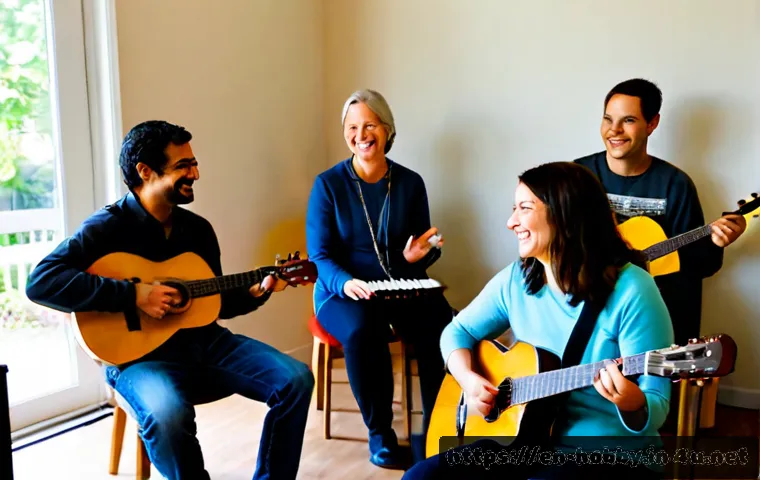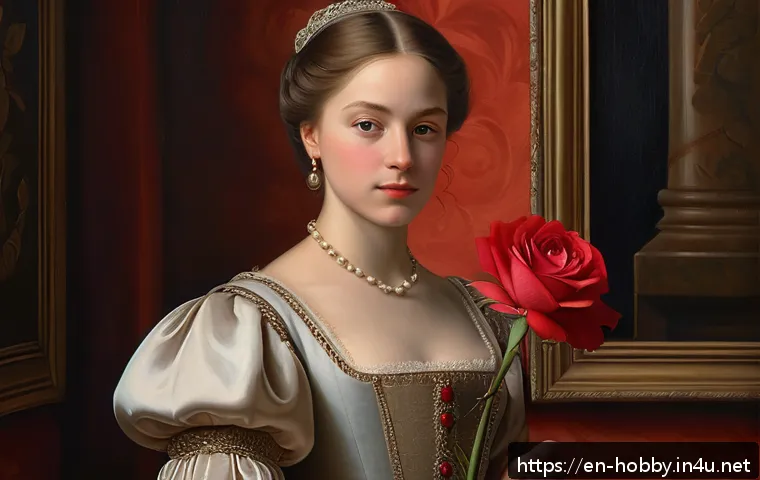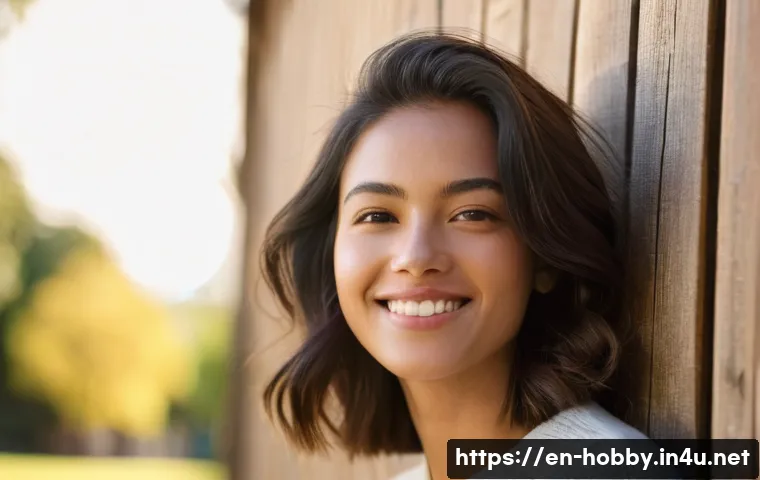
Capturing compelling portraits is both an art and a science, blending technical skills with a deep understanding of human expression. Whether you’re photographing friends, clients, or strangers, the goal is to reveal personality and emotion through your lens.
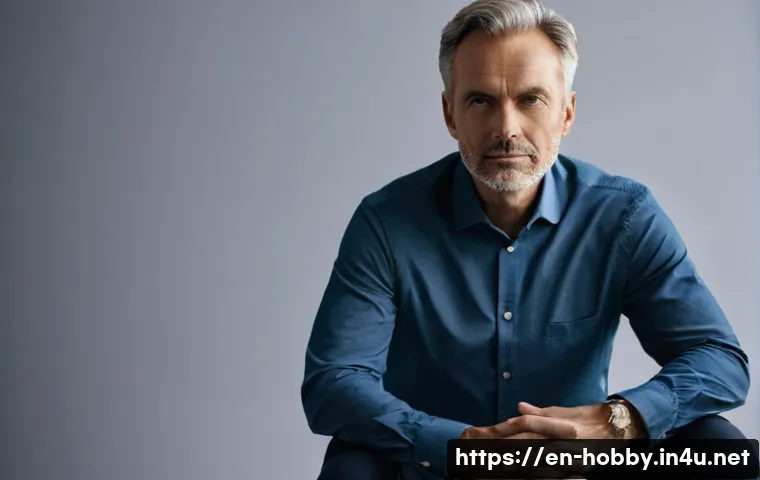
Lighting, composition, and connection all play crucial roles in crafting images that tell a story. Over the years, I’ve discovered that the magic often happens when you create a relaxed atmosphere and pay attention to subtle details.
Let’s dive deeper and explore how you can master the art of portrait photography. I’ll guide you through everything you need to know!
Crafting a Connection That Transforms Your Shots
Breaking the Ice: Making Your Subject Comfortable
Getting your subject relaxed is the secret sauce to genuine portraits. I’ve noticed that when people feel at ease, their real personality shines through, and the camera picks up on those subtle, unguarded moments that make photos unforgettable.
I usually start with light conversation, asking about their day or interests, anything to shift their focus away from the camera. Sometimes, a little humor goes a long way—once I joked about my terrible selfie skills, which got a genuine laugh and lowered the tension instantly.
This kind of atmosphere invites natural expressions, which is way better than forced smiles or stiff poses.
Listening Beyond Words: Reading Body Language
It’s not just about talking; reading your subject’s body language is equally vital. I pay close attention to how they position their hands, their posture, even the smallest signs of discomfort or enthusiasm.
For example, crossed arms might signal nervousness, so I gently guide them to open up their stance. When I see a subject leaning in slightly or making eye contact, I know they’re more engaged, and that’s when I capture the most compelling expressions.
The key is to be patient and observant—sometimes a slight tilt of the head or a softened gaze tells a story without a single word.
Creating Shared Moments: The Power of Interaction
Portraits become magical when there’s a moment shared between the photographer and the subject. I try to involve my subjects in the creative process by asking their opinion on poses or lighting setups.
This collaboration builds trust and makes the shoot feel like a team effort rather than a one-sided task. Occasionally, I ask them to think of a memory or a person that makes them happy, which often brings out a genuine smile or wistful look.
These shared experiences inject life into the images, turning them from mere pictures into stories with emotional depth.
Lighting Techniques That Enhance Mood and Depth
Natural Light: Harnessing the Golden Hour
Natural light is my go-to for portraits because it brings warmth and softness that studio lights often can’t replicate. The golden hour—shortly after sunrise or before sunset—is magical; it bathes subjects in a gentle glow that flatters skin tones and adds a dreamy quality to the background.
I’ve learned to position my subject so the light hits them from the side or at a slight angle, creating beautiful shadows that add dimension without harshness.
Even on cloudy days, the diffused light acts like a natural softbox, which is perfect for capturing subtle expressions.
Mastering Artificial Lighting: When and How to Use It
While natural light has its charm, artificial lighting gives you total control, especially indoors or at night. I often use a softbox or a ring light to create even, flattering illumination that reduces shadows on the face.
One trick I’ve found effective is to use a reflector to bounce some of that light back onto the subject’s face, balancing the shadows and highlights perfectly.
For moodier portraits, I experiment with directional lighting, placing a single light source to one side to produce dramatic contrasts that emphasize facial features and textures.
Balancing Light and Shadow: Creating Visual Interest
The interplay between light and shadow can make or break a portrait. When I shoot, I think of light as my brush and shadows as the canvas that gives depth and character to the image.
Controlling this balance means paying attention to how the light falls on the subject’s face and body, sculpting their features rather than flattening them.
Sometimes, I use flags or grids to block light selectively, creating pockets of shadow that add mystery or intensity. This nuanced lighting approach turns simple portraits into evocative works of art.
Posing Strategies That Feel Natural and Flattering
Guiding Without Dictating: Empowering Your Subject
One mistake I see often is over-directing, which can lead to stiff, unnatural poses. Instead, I like to suggest broad movements or emotions—like “look thoughtful” or “imagine you’re laughing with a friend”—then let the subject interpret them in their own way.
This approach encourages spontaneity and makes the images feel more authentic. I also keep posing simple; subtle shifts in weight, head tilt, or hand placement can transform the mood completely without overwhelming the subject.
Using Props and Environment to Inspire Poses
Incorporating props or using the environment cleverly can unlock creative poses and help subjects feel less self-conscious. Whether it’s a chair, a scarf, or simply leaning against a textured wall, props provide something for the hands to do and create visual interest.
I once had a subject hold a book that reflected their personality, and it instantly relaxed them and added depth to the story behind the portrait. Paying attention to surroundings helps you frame poses that feel integrated and not forced.
Adapting to Different Body Types and Personalities
Every person is unique, so a one-size-fits-all posing guide rarely works. I take time to understand the subject’s comfort level with their body and what features they want to highlight or downplay.
For instance, some prefer angles that slim the face or elongate the neck, while others want to emphasize their strong jawline or lively eyes. I customize poses to suit these preferences, always mindful of making the subject feel confident and beautiful.
This personalized approach consistently results in portraits that resonate with the subject’s identity.
Choosing the Right Equipment for Your Vision
Lens Selection: How Focal Length Shapes Portraits
The choice of lens dramatically affects the look and feel of your portraits. I gravitate towards prime lenses in the 50mm to 85mm range because they offer sharpness and flattering compression that doesn’t distort facial features.
Using a wider lens like 35mm can be great for environmental portraits but requires more care to avoid unflattering distortion. Telephoto lenses, such as 135mm, let you shoot from a distance and create beautiful background blur, isolating your subject perfectly.
Knowing your lens capabilities lets you anticipate how each shot will turn out.
Camera Settings: Balancing Aperture, Shutter Speed, and ISO
I always shoot in manual or aperture priority mode to control depth of field precisely. A wide aperture (like f/1.8 or f/2.8) helps blur the background and puts full emphasis on the subject’s face, but it demands careful focusing to keep the eyes sharp.
Shutter speed must be fast enough to avoid motion blur—usually above 1/125 sec for handheld portraits. ISO settings depend on light conditions; I try to keep it low to maintain image quality but increase it as needed indoors or in low light.
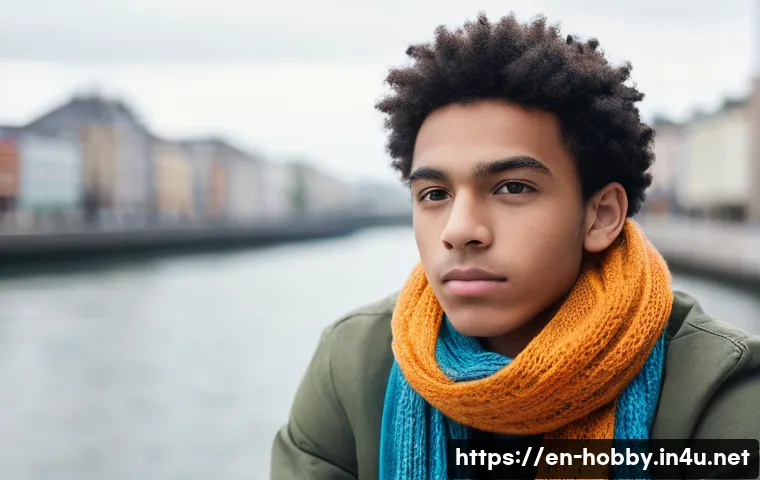
Mastering these settings is key to consistent, stunning results.
Accessories That Enhance Your Workflow
Beyond camera and lens, certain accessories streamline portrait sessions and improve outcomes. Reflectors are indispensable for bouncing light onto shadowed areas, and diffusers soften harsh sunlight.
A tripod can stabilize your shots during longer exposures or when using slower shutter speeds. Wireless triggers help with off-camera flash setups, allowing you to experiment with lighting angles freely.
Over time, investing in these tools has made my workflow smoother and my portraits more polished.
Composing Portraits That Draw the Eye
Rule of Thirds and Beyond: Framing Your Subject
Using the rule of thirds is a classic starting point for composing portraits; placing the subject’s eyes along the top third line creates a balanced and engaging image.
But I’ve found that breaking this rule can sometimes produce more dynamic shots—like centering a face for a powerful, confrontational portrait or using negative space creatively to evoke emotion.
Experimenting with composition keeps your work fresh and visually compelling.
Backgrounds That Complement, Not Compete
Choosing the right background is crucial because it either supports the subject or distracts from them. I prefer simple, uncluttered backdrops that add texture or color without overwhelming the frame.
Outdoors, this might mean shooting against a blurred natural landscape; indoors, a plain wall or subtle fabric works well. I also watch out for elements like poles or branches that appear to “grow” from the subject’s head—those little details can ruin an otherwise perfect shot.
Using Depth of Field to Guide Focus
Depth of field controls how much of the image is in sharp focus. For portraits, a shallow depth of field isolates the subject from the background, emphasizing their face and expression.
I often use apertures between f/1.4 and f/4 to achieve this effect. However, in group portraits or environmental shots, a deeper depth of field ensures everyone and the surroundings are clear.
Understanding how to manipulate depth of field lets you guide the viewer’s eye exactly where you want it.
Editing Approaches That Preserve Authenticity
Enhancing Without Overdoing
In post-processing, my philosophy is to enhance the natural beauty of the subject, not to transform them. I adjust exposure, contrast, and color balance to bring out the best in the image but avoid heavy-handed retouching that erases personality or texture.
For example, I soften skin blemishes subtly but keep freckles and natural lines intact because they tell a story. This restrained editing approach maintains authenticity and respect for the subject.
Color Grading to Set the Tone
Color grading can dramatically influence the mood of a portrait. Warm tones evoke comfort and intimacy, while cooler tones can create a more detached or dramatic feel.
I experiment with subtle shifts in hue and saturation to complement the story behind the portrait. For instance, a nostalgic portrait might benefit from a slight sepia tint, while a modern, vibrant shoot calls for crisp, clean colors.
Matching color grading to the emotion you want to convey makes the final image more powerful.
Consistency for Portfolio and Branding
If you’re building a portfolio or working as a professional photographer, maintaining a consistent editing style is important. It helps establish your unique voice and makes your work recognizable.
I develop presets or workflows that I apply to each shoot, tweaking them as necessary but keeping the core look intact. This consistency builds trust with clients who know what to expect and helps create a cohesive body of work that stands out.
| Aspect | Key Tips | Common Mistakes |
|---|---|---|
| Connection | Engage in casual talk, read body language, share creative input | Over-directing, ignoring comfort, rushing the process |
| Lighting | Use golden hour, balance natural and artificial light, control shadows | Harsh shadows, flat lighting, ignoring light direction |
| Posing | Encourage natural movement, use props, adapt to body type | Stiff, unnatural poses, one-size-fits-all approach |
| Equipment | Choose lenses wisely, master camera settings, use accessories | Wrong focal length, poor exposure settings, lack of lighting tools |
| Composition | Use rule of thirds flexibly, select simple backgrounds, control depth of field | Distracting backgrounds, poor framing, inappropriate focus |
| Editing | Enhance naturally, apply mood-consistent grading, maintain style consistency | Over-editing, inconsistent styles, unnatural skin retouching |
글을 마치며
Capturing truly memorable portraits goes beyond just technical skills—it’s about creating a genuine connection with your subject and thoughtfully crafting every element from lighting to posing. When you blend empathy with expertise, your images tell authentic stories that resonate deeply. Remember, patience and creativity are your best tools for transforming simple shots into lasting impressions.
알아두면 쓸모 있는 정보
1. Building rapport with your subject before shooting helps ease nerves and unlocks natural expressions that make portraits stand out.
2. Utilizing natural light during the golden hour can add warmth and softness that enhances skin tones and overall mood effortlessly.
3. Simple props or environmental elements can inspire creative poses and give subjects something to engage with, reducing stiffness.
4. Mastering your camera’s manual settings ensures consistent results, especially when controlling depth of field and exposure.
5. Editing should enhance the subject’s natural beauty without overdoing it—subtlety preserves authenticity and emotional impact.
핵심 포인트 요약
Successful portrait photography hinges on genuine interaction and understanding your subject’s comfort. Lighting must be carefully balanced to add depth without harshness, while posing should empower rather than constrain. Choosing the right gear and mastering technical settings supports your creative vision. Finally, thoughtful editing preserves the soul of the image, maintaining authenticity and emotional connection throughout your portfolio.
Frequently Asked Questions (FAQ) 📖
Q: How can I make my portrait subjects feel comfortable during a photoshoot?
A: Creating a relaxed atmosphere is key to capturing genuine expressions. Start by chatting casually with your subject before you even pick up the camera—ask about their interests or share a funny story to break the ice.
I’ve found that playing some light music and encouraging natural movement rather than stiff poses helps a lot. When people feel at ease, their personality shines through, and you get those authentic moments that really tell a story.
Q: What lighting setup works best for portrait photography?
A: While there’s no one-size-fits-all answer, soft, diffused light generally flatters most faces and brings out natural skin tones. Shooting near a large window with indirect sunlight can create beautiful, even lighting without harsh shadows.
If you’re using artificial light, a softbox or umbrella can mimic that effect. Personally, I avoid direct overhead lighting because it can cast unflattering shadows.
Experimenting with light direction and intensity can dramatically change the mood of your portrait, so don’t be afraid to play around.
Q: How do I capture personality and emotion effectively in portraits?
A: To truly capture personality, it’s essential to connect with your subject on a human level. Ask open-ended questions that prompt them to reflect or share stories, which often brings out genuine emotions.
Watch for subtle expressions—sometimes a slight smile or a thoughtful gaze says more than a posed grin. I’ve learned that patience is crucial; sometimes the best shot happens after a moment of silence or laughter.
The composition matters too—framing your subject in a way that complements their character enhances the emotional impact of the image.