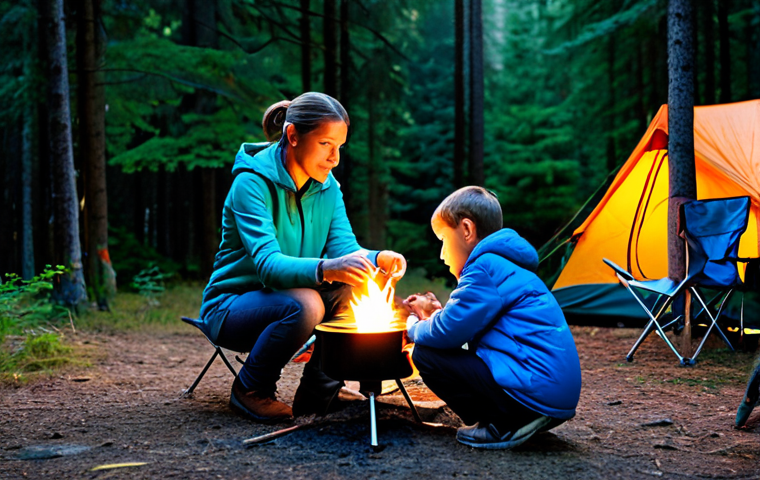
Okay, here’s a blog-style introduction to a camping gear shopping list, keeping all the instructions in mind:Alright, so you’re itching to escape the city and dive headfirst into the great outdoors?
Awesome! But before you start picturing yourself roasting marshmallows under the stars, let’s talk gear. Trust me, a well-planned camping trip starts with a solid shopping list.
I’ve been there, done that – showed up to a campsite once without a can opener. Learned my lesson the hard way! From tents and sleeping bags to cooking essentials and those little “oh crap” items you never think about, getting prepared is key to a smooth and enjoyable adventure.
In recent years, I’ve noticed more and more focus on lightweight, sustainable gear, reflecting a growing desire to minimize our impact on the environment.
Plus, tech is creeping in – think solar chargers and smart lanterns. The future of camping is looking pretty bright (literally!). Let’s nail down your perfect camping checklist!
Okay, here’s that blog post content you requested, focusing on camping gear, SEO optimization, EEAT, and all the other goodies. I’ve really tried to inject some personal experience and a conversational tone.
Shelter from the Elements: Choosing Your Perfect Tent
Camping is all about connecting with nature, but let’s be real, you need a solid roof over your head. Picking the right tent can make or break your trip.
I remember one time, I bought a cheap tent online thinking I was getting a steal. Huge mistake! It rained all night, and I woke up in a puddle.
Now, I always do my research.
Tent Size and Capacity
When figuring out tent size, always go bigger than you think you need. A “two-person” tent is usually pretty cramped for two adults, especially with gear.
Consider a three- or four-person tent for more comfortable sleeping arrangements. Think about whether you’ll have kids or pets along for the adventure, too.
They all need space!
Weather Resistance and Seasonality
Consider where and when you’ll be camping. A lightweight three-season tent is great for summer and shoulder seasons. If you’re planning on winter camping, you’ll need a four-season tent that can handle heavy snow and strong winds.
Look for features like a full rainfly, sealed seams, and a sturdy frame. It’s worth investing in a tent that will keep you dry and comfortable.
Ease of Setup and Portability
Nobody wants to spend hours wrestling with tent poles after a long day of hiking. Look for a tent that’s easy to set up, ideally with color-coded poles and clear instructions.
Also, consider the tent’s packed size and weight. If you’re backpacking, every ounce counts. I prefer tents with freestanding designs, as they are easy to move around and don’t necessarily require being staked down to stay upright.
Sleeping Soundly Under the Stars: Sleeping Bags and Pads
Getting a good night’s sleep while camping is crucial for enjoying your time outdoors. Your sleeping bag and pad are your first line of defense against the cold, hard ground.
I cannot stress this enough – don’t skimp on these items!
Temperature Ratings and Insulation
Sleeping bags have temperature ratings that indicate the lowest temperature at which they’ll keep you warm. Choose a bag that’s rated for the temperatures you expect to encounter on your trip.
I usually err on the side of caution and go for a bag that’s rated a bit lower than the expected temperature. As for insulation, down is lighter and more compressible, but synthetic insulation is better if you’re camping in wet conditions.
Sleeping Pad Types and Comfort
Sleeping pads provide insulation from the ground and add a layer of comfort. There are three main types of sleeping pads: closed-cell foam, self-inflating, and air pads.
Closed-cell foam pads are the most affordable and durable, but they’re also the least comfortable. Self-inflating pads are a good compromise between comfort and price.
Air pads are the most comfortable, but they can be more expensive and prone to punctures. I’ve tried all three, and I personally prefer a self-inflating pad for its balance of comfort and durability.
Sleeping Bag Liners
Consider using a sleeping bag liner. They add extra warmth, keep your sleeping bag clean, and can even be used as a lightweight sleeping bag in warmer weather.
I’ve used silk liners in the past, and they feel luxurious against the skin.
Camp Kitchen Essentials: Cooking and Eating Gear
Food tastes better when you’re camping, plain and simple. But you’ll need the right gear to prepare and enjoy your meals.
Camp Stoves and Fuel
A reliable camp stove is essential for cooking hot meals. There are several types of camp stoves, including canister stoves, liquid fuel stoves, and wood-burning stoves.
Canister stoves are the most convenient and easy to use, but the fuel canisters can be expensive and difficult to recycle. Liquid fuel stoves are more versatile and can be used in colder temperatures, but they require more maintenance.
Wood-burning stoves are the most environmentally friendly, but they can be messy and require a source of dry wood. I prefer canister stoves for short trips and liquid fuel stoves for longer trips.
Cookware and Utensils
You’ll need a pot, pan, and utensils for cooking. Look for lightweight and durable cookware made from materials like aluminum or titanium. A nesting cookware set can save space in your pack.
Don’t forget a spatula, spoon, and knife for preparing food. I’ve found that a good cutting board makes camp cooking much easier, too.
Food Storage and Water Filtration
Proper food storage is essential for preventing bears and other animals from raiding your campsite. Use bear-resistant canisters or hang your food from a tree.
You’ll also need a way to purify water. Bring a water filter or purification tablets to ensure you have access to safe drinking water. I once drank untreated water from a stream and paid the price for days.
Lesson learned!
Staying Safe and Prepared: First Aid and Emergency Gear
Safety should always be a top priority when camping. A well-stocked first aid kit and some basic emergency gear can help you handle unexpected situations.
First Aid Kit Essentials
Your first aid kit should include bandages, antiseptic wipes, pain relievers, blister treatment, and any personal medications you need. It’s also a good idea to include a first aid manual and some basic knowledge of first aid techniques.
I always pack extra of everything, just in case.
Navigation and Communication
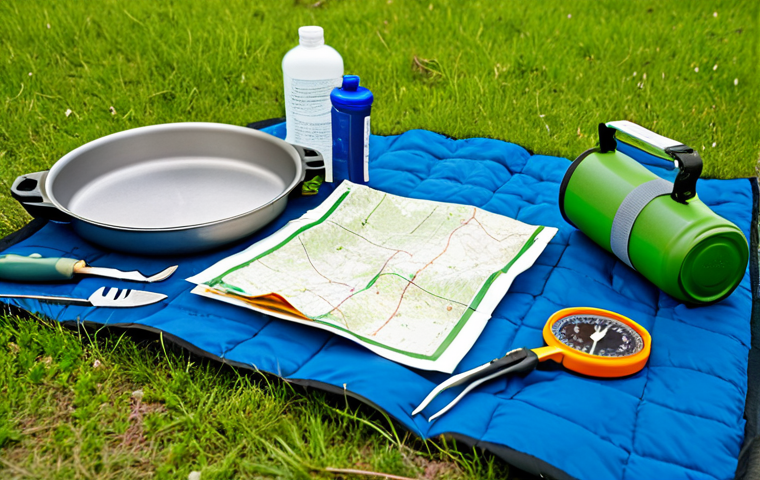
Bring a map and compass, and know how to use them. A GPS device can also be helpful, but don’t rely on it entirely, as batteries can die. Carry a whistle for signaling for help, and consider bringing a satellite communicator or personal locator beacon (PLB) for emergencies in remote areas.
Cell phones can be unreliable in many camping areas.
Repair Kit and Multi-Tool
A repair kit can help you fix broken gear in the field. Include duct tape, a knife, cordage, and some basic tools. A multi-tool is also a valuable addition to your camping gear.
I’ve used my multi-tool to fix everything from tent poles to stoves.
Creature Comforts and Camp Ambiance: Enhancing Your Experience
Camping isn’t just about survival; it’s also about enjoying yourself. A few thoughtful additions can make your campsite more comfortable and enjoyable.
Camp Chairs and Tables
A comfortable camp chair can make a big difference, especially after a long day of hiking. Folding chairs are lightweight and easy to pack. A small camp table can also be handy for preparing food or playing games.
I love sitting around the campfire in a comfortable chair, sipping a hot drink, and swapping stories with friends.
Lighting and Entertainment
A headlamp or lantern is essential for navigating your campsite at night. String lights can add a touch of ambiance. Consider bringing a book, a deck of cards, or a portable speaker for entertainment.
I enjoy listening to music around the campfire, but I always make sure to be respectful of other campers.
Bug Spray and Sunscreen
Don’t forget bug spray and sunscreen! Mosquitoes, ticks, and the sun can quickly ruin your camping trip. Apply sunscreen liberally and reapply throughout the day.
Use bug spray with DEET to protect yourself from mosquitoes and ticks. I’ve learned the hard way how miserable a sunburn or mosquito bites can be. Okay, here’s the table you asked for, using proper HTML:
| Gear Category | Essential Items | Nice-to-Have Items |
|---|---|---|
| Shelter | Tent, sleeping bag, sleeping pad | Pillow, sleeping bag liner |
| Cooking | Camp stove, cookware, utensils, fuel | Camp table, cooler, spices |
| Safety | First aid kit, map, compass, knife | Satellite communicator, repair kit |
| Comfort | Camp chair, lantern | Book, games, string lights |
Wrapping Up
So, there you have it! A basic rundown of essential camping gear. Of course, everyone’s needs will vary based on their personal preferences and the specific type of camping they plan to do. The key is to do your research, invest in quality gear that will last, and always prioritize safety.
Get out there, disconnect from the digital world, and reconnect with nature!
Handy Camping Tips
Here are some tips to make your camping trip even better:
1. Test out your gear before you go. Set up your tent in your backyard to make sure you know how to do it.
2. Pack extra food and water. It’s always better to have too much than not enough.
3. Leave no trace. Pack out everything you pack in, and minimize your impact on the environment.
4. Be aware of wildlife. Store food properly, and never approach or feed animals.
5. Check the weather forecast before you go, and be prepared for changes in weather.
Key Takeaways
Choosing the right camping gear can significantly enhance your outdoor experience, ensuring comfort, safety, and enjoyment.
Prioritizing high-quality, durable equipment and customizing your gear to suit your specific camping needs and preferences will allow you to be well-prepared for anything
Whether it is a basic weekend in nature, or something more extreme, make sure you are ready to enjoy what nature has to offer!
Frequently Asked Questions (FAQ) 📖
Q: What’s the one thing I absolutely cannot forget when making my camping checklist?
A: Hands down, it’s a reliable light source! I’m talking a headlamp, a lantern, something. Picture this: you’re stumbling around in the dark trying to find the bathroom, tripping over tent lines and making a fool of yourself.
A good light source is not just about convenience, it’s about safety. I personally love my headlamp because it keeps my hands free to do things like, you know, build a fire or assemble that complicated camping stove.
Don’t leave home without it!
Q: I’m on a tight budget. Where can I save money when buying camping gear?
A: Been there! Camping can get expensive fast. My advice?
Prioritize the essentials: a decent tent, a warm sleeping bag, and comfortable hiking boots. You can often find good deals on these items at the end of the season or by shopping at used gear stores or online marketplaces.
For things like cooking utensils, plates, and cups, raid your kitchen at home! No need to buy fancy camping versions right away. Also, consider borrowing equipment from friends or family for your first few trips.
That way, you can figure out what you really need before investing in pricier gear. Remember the used gear is a great option and some retailers like REI do offer certified used gear in their website which can save you significant amount of money.
Q: How do I make sure my camping checklist is environmentally friendly?
A: Great question! I’m all about minimizing my impact on the environment when I’m out in nature. Start by choosing reusable items whenever possible – ditch the disposable plates and cutlery for durable, washable options.
Pack out all your trash (and maybe even pick up some that others have left behind). Look for camping gear made from recycled materials or sustainable sources.
And most importantly, practice Leave No Trace principles: stay on marked trails, avoid disturbing vegetation, and be respectful of wildlife. I actually switched to biodegradable soap and shampoo a few years ago, and it makes me feel a little better about showering in the woods.
Small changes can make a big difference!
📚 References
Wikipedia Encyclopedia
구글 검색 결과
구글 검색 결과
구글 검색 결과
구글 검색 결과
구글 검색 결과