
So, you’re thinking about diving into the world of bodyweight training? Awesome choice! I’ve personally found it to be incredibly rewarding, not just physically, but mentally too.
Forget expensive gym memberships and complicated equipment; bodyweight exercises are all about using what you already have – your own body! It’s a fantastic way to build strength, improve endurance, and sculpt your physique.
Plus, with the rise of calisthenics and functional fitness, it’s more relevant than ever. The sheer adaptability is amazing, and you can do it virtually anywhere.
Let’s get the facts straight in the article below.
Alright, let’s dive into some killer bodyweight training tips to help you maximize your gains and stay motivated.
Master the Foundation Before You Fly
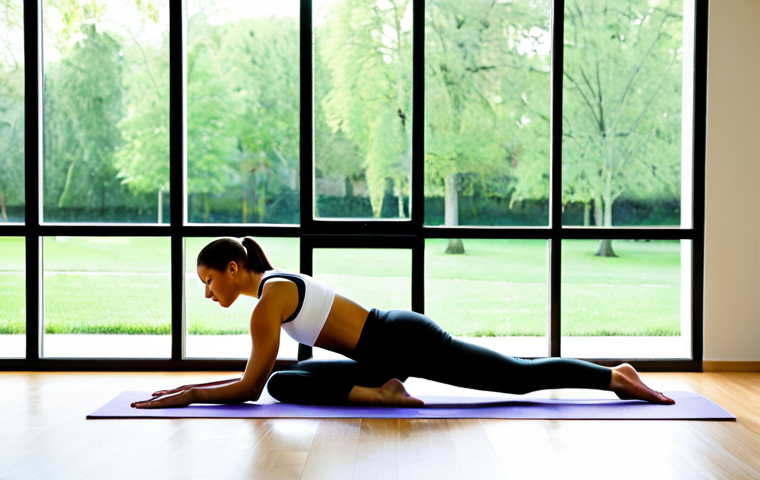
It’s tempting to jump straight into the flashy stuff – the muscle-ups, the handstand push-ups. Believe me, I get it. But trust me on this one: solid fundamentals are KEY.
Think of it like building a house. You wouldn’t start with the roof, right? You need a strong foundation first.
In bodyweight training, that means mastering the basics.
Perfect Your Form
Form is king (or queen!). Seriously, good form is more important than how many reps you can crank out. Focus on controlled movements, engaging the right muscles, and maintaining proper alignment.
I remember when I started, I was all about speed. But I quickly learned that sloppy form leads to injuries and plateaus. Slow down, concentrate, and feel the burn in the right places.
If you’re unsure, film yourself or ask a friend to check your form. There are also tons of great resources online.
Progressive Overload is Your Friend
Bodyweight training can stall, and it will happen. We need to be able to adjust and progressively overload your body to continue pushing beyond our limits.
Don’t get stuck doing the same routine week after week. Your body adapts quickly. To keep making progress, you need to progressively overload your muscles.
This doesn’t always mean adding more reps. You can also increase the difficulty of the exercise (like going from a regular push-up to an incline push-up), slow down the tempo, or add pauses at the hardest part of the movement.
Personally, I love adding isometric holds to my squats and push-ups. Talk about feeling the burn!
Consistency is non-negotiable
The absolute number one, and I mean absolutely number one factor in seeing gains in bodyweight fitness or any other sport is consistency. Staying on the grind and pushing forward is important, even when it gets hard.
No one ever became great at anything by giving up when it was difficult. If you start to slide or slip, it’s okay. We all do, but get back up, dust yourself off, and get back to work.
Spice Things Up: Exercise Variations Are Your Secret Weapon
Variety is the spice of life, and it’s also the key to keeping your body guessing and your workouts interesting. Once you’ve mastered the basic exercises, it’s time to explore variations that challenge your muscles in new ways.
Angles Matter
Slightly adjusting your angle can significantly change the difficulty of an exercise. For example, try doing push-ups with your hands elevated on a box or bench.
This makes the exercise easier and allows you to focus on form. Then, you can progress to decline push-ups, where your feet are elevated, which increases the challenge.
These small changes can make a huge difference.
Single-Leg Training
Unilateral exercises (exercises performed on one leg or one arm at a time) are fantastic for building balance, stability, and core strength. Think pistol squats, single-leg deadlifts, and Bulgarian split squats.
These exercises force your body to work harder to maintain stability, which engages more muscles and improves your overall athleticism. Trust me, pistol squats are a humbling exercise, but they’re incredibly effective.
Play with Tempo
Manipulating the tempo of your exercises can add a whole new level of intensity. Try slowing down the eccentric (lowering) phase of a push-up or squat.
This increases the time under tension and forces your muscles to work harder. You can also add pauses at the bottom of the movement to eliminate momentum and further challenge your strength.
I like to do 3-second negatives on my pull-ups – talk about a burner!
Listen to Your Body: Recovery Is Key
I used to be one of those people who thought “more is better.” I’d train every day, pushing myself to the limit, until I eventually burned out and got injured.
Now I know that recovery is just as important as the workouts themselves.
Prioritize Sleep
Sleep is when your body repairs and rebuilds muscle tissue. Aim for at least 7-8 hours of quality sleep per night. Create a relaxing bedtime routine, avoid caffeine and alcohol before bed, and make sure your bedroom is dark, quiet, and cool.
Fuel Your Body Right
Nutrition plays a huge role in recovery. Make sure you’re eating a balanced diet with plenty of protein, healthy fats, and complex carbohydrates. Protein is essential for muscle repair, while carbs provide energy for your workouts.
And don’t forget to stay hydrated!
Active Recovery Days
Active recovery involves light activity that promotes blood flow and helps your muscles recover. This could be a leisurely walk, a gentle yoga session, or some light stretching.
Avoid intense workouts on these days.
Core Strength Is the Cornerstone
A strong core isn’t just about having visible abs. It’s about having a stable foundation for all your movements. A strong core improves your posture, balance, and power output.
It also reduces your risk of injury.
Plank Variations
The plank is a classic core exercise for a reason. It engages your entire core, from your abs to your lower back. To make it more challenging, try variations like side planks, plank jacks, or plank with arm/leg raises.
Anti-Rotation Exercises
These exercises challenge your core’s ability to resist rotation. Think Pallof presses, wood chops, and renegade rows. These exercises are great for improving your functional strength and stability.
Don’t Forget the Lower Back
Your lower back is just as important as your abs when it comes to core strength. Exercises like supermans, bird dogs, and glute bridges can help strengthen your lower back muscles and improve your overall core stability.
Tracking Progress: The Data Doesn’t Lie
If you’re not tracking it, it didn’t happen! You need to be able to look back over your lifts and exercise routines to determine what is working and what isn’t.
Keep a Workout Journal
Write down your workouts, including the exercises you did, the number of reps and sets, and how you felt. This will help you track your progress and identify patterns.
Take Photos and Measurements
Photos and measurements can be a great way to track your physical progress. Take photos of yourself every few weeks in the same lighting and pose. Measure your waist, chest, arms, and thighs to see how your body is changing.
Use a Fitness Tracker
Fitness trackers can help you monitor your activity levels, sleep patterns, and heart rate. This data can give you valuable insights into your overall fitness and recovery.
The Mind-Muscle Connection: Focus on the Feel
This is, in my opinion, one of the most underutilized tips for bodyweight training. Being able to tap into and use the mind-muscle connection to help make a certain exercise much more effective is a game changer.
Visualize the Movement
Before you start an exercise, close your eyes and visualize yourself performing it with perfect form. This can help you activate the right muscles and improve your technique.
Focus on Muscle Contraction
As you perform each rep, focus on contracting the muscles you’re working. Feel them squeezing and engaging. This will help you get more out of each exercise.
Mindful Breathing
Pay attention to your breathing. Breathe in deeply during the eccentric phase of the movement and exhale during the concentric phase. This will help you stay relaxed and focused.
Sample Bodyweight Training Table
| Exercise | Sets | Reps | Tempo | Rest |
|---|---|---|---|---|
| Push-ups | 3 | 10-15 | 2-1-2 | 60 seconds |
| Squats | 3 | 15-20 | 2-1-2 | 60 seconds |
| Pull-ups | 3 | As many as possible (AMRAP) | 2-1-2 | 90 seconds |
| Plank | 3 | 30-60 seconds | N/A | 60 seconds |
| Lunges | 3 | 10-12 per leg | 2-1-2 | 60 seconds |
This table provides a sample workout routine that you can adapt to your own fitness level and goals. Remember to adjust the sets, reps, and tempo based on your experience and fitness level.
Always prioritize good form over quantity. Bodyweight training is a journey, not a destination. It takes time, patience, and consistency to see results.
But if you stick with it, you’ll be amazed at what you can achieve with just your own bodyweight. So, get out there, start training, and unleash your inner athlete!
Alright, let’s dive into some killer bodyweight training tips to help you maximize your gains and stay motivated.
Master the Foundation Before You Fly
It’s tempting to jump straight into the flashy stuff – the muscle-ups, the handstand push-ups. Believe me, I get it. But trust me on this one: solid fundamentals are KEY. Think of it like building a house. You wouldn’t start with the roof, right? You need a strong foundation first. In bodyweight training, that means mastering the basics.
Perfect Your Form
Form is king (or queen!). Seriously, good form is more important than how many reps you can crank out. Focus on controlled movements, engaging the right muscles, and maintaining proper alignment. I remember when I started, I was all about speed. But I quickly learned that sloppy form leads to injuries and plateaus. Slow down, concentrate, and feel the burn in the right places. If you’re unsure, film yourself or ask a friend to check your form. There are also tons of great resources online.
Progressive Overload is Your Friend
Bodyweight training can stall, and it will happen. We need to be able to adjust and progressively overload your body to continue pushing beyond our limits. Don’t get stuck doing the same routine week after week. Your body adapts quickly. To keep making progress, you need to progressively overload your muscles. This doesn’t always mean adding more reps. You can also increase the difficulty of the exercise (like going from a regular push-up to an incline push-up), slow down the tempo, or add pauses at the hardest part of the movement. Personally, I love adding isometric holds to my squats and push-ups. Talk about feeling the burn!
Consistency is non-negotiable
The absolute number one, and I mean absolutely number one factor in seeing gains in bodyweight fitness or any other sport is consistency. Staying on the grind and pushing forward is important, even when it gets hard. No one ever became great at anything by giving up when it was difficult. If you start to slide or slip, it’s okay. We all do, but get back up, dust yourself off, and get back to work.
Spice Things Up: Exercise Variations Are Your Secret Weapon
Variety is the spice of life, and it’s also the key to keeping your body guessing and your workouts interesting. Once you’ve mastered the basic exercises, it’s time to explore variations that challenge your muscles in new ways.
Angles Matter
Slightly adjusting your angle can significantly change the difficulty of an exercise. For example, try doing push-ups with your hands elevated on a box or bench. This makes the exercise easier and allows you to focus on form. Then, you can progress to decline push-ups, where your feet are elevated, which increases the challenge. These small changes can make a huge difference.
Single-Leg Training
Unilateral exercises (exercises performed on one leg or one arm at a time) are fantastic for building balance, stability, and core strength. Think pistol squats, single-leg deadlifts, and Bulgarian split squats. These exercises force your body to work harder to maintain stability, which engages more muscles and improves your overall athleticism. Trust me, pistol squats are a humbling exercise, but they’re incredibly effective.
Play with Tempo
Manipulating the tempo of your exercises can add a whole new level of intensity. Try slowing down the eccentric (lowering) phase of a push-up or squat. This increases the time under tension and forces your muscles to work harder. You can also add pauses at the bottom of the movement to eliminate momentum and further challenge your strength. I like to do 3-second negatives on my pull-ups – talk about a burner!
Listen to Your Body: Recovery Is Key
I used to be one of those people who thought “more is better.” I’d train every day, pushing myself to the limit, until I eventually burned out and got injured. Now I know that recovery is just as important as the workouts themselves.
Prioritize Sleep
Sleep is when your body repairs and rebuilds muscle tissue. Aim for at least 7-8 hours of quality sleep per night. Create a relaxing bedtime routine, avoid caffeine and alcohol before bed, and make sure your bedroom is dark, quiet, and cool.
Fuel Your Body Right
Nutrition plays a huge role in recovery. Make sure you’re eating a balanced diet with plenty of protein, healthy fats, and complex carbohydrates. Protein is essential for muscle repair, while carbs provide energy for your workouts. And don’t forget to stay hydrated!
Active Recovery Days
Active recovery involves light activity that promotes blood flow and helps your muscles recover. This could be a leisurely walk, a gentle yoga session, or some light stretching. Avoid intense workouts on these days.
Core Strength Is the Cornerstone
A strong core isn’t just about having visible abs. It’s about having a stable foundation for all your movements. A strong core improves your posture, balance, and power output. It also reduces your risk of injury.
Plank Variations
The plank is a classic core exercise for a reason. It engages your entire core, from your abs to your lower back. To make it more challenging, try variations like side planks, plank jacks, or plank with arm/leg raises.
Anti-Rotation Exercises
These exercises challenge your core’s ability to resist rotation. Think Pallof presses, wood chops, and renegade rows. These exercises are great for improving your functional strength and stability.
Don’t Forget the Lower Back
Your lower back is just as important as your abs when it comes to core strength. Exercises like supermans, bird dogs, and glute bridges can help strengthen your lower back muscles and improve your overall core stability.
Tracking Progress: The Data Doesn’t Lie
If you’re not tracking it, it didn’t happen! You need to be able to look back over your lifts and exercise routines to determine what is working and what isn’t.
Keep a Workout Journal
Write down your workouts, including the exercises you did, the number of reps and sets, and how you felt. This will help you track your progress and identify patterns.
Take Photos and Measurements
Photos and measurements can be a great way to track your physical progress. Take photos of yourself every few weeks in the same lighting and pose. Measure your waist, chest, arms, and thighs to see how your body is changing.
Use a Fitness Tracker
Fitness trackers can help you monitor your activity levels, sleep patterns, and heart rate. This data can give you valuable insights into your overall fitness and recovery.
The Mind-Muscle Connection: Focus on the Feel
This is, in my opinion, one of the most underutilized tips for bodyweight training. Being able to tap into and use the mind-muscle connection to help make a certain exercise much more effective is a game changer.
Visualize the Movement
Before you start an exercise, close your eyes and visualize yourself performing it with perfect form. This can help you activate the right muscles and improve your technique.
Focus on Muscle Contraction
As you perform each rep, focus on contracting the muscles you’re working. Feel them squeezing and engaging. This will help you get more out of each exercise.
Mindful Breathing
Pay attention to your breathing. Breathe in deeply during the eccentric phase of the movement and exhale during the concentric phase. This will help you stay relaxed and focused.
Sample Bodyweight Training Table
| Exercise | Sets | Reps | Tempo | Rest |
|---|---|---|---|---|
| Push-ups | 3 | 10-15 | 2-1-2 | 60 seconds |
| Squats | 3 | 15-20 | 2-1-2 | 60 seconds |
| Pull-ups | 3 | As many as possible (AMRAP) | 2-1-2 | 90 seconds |
| Plank | 3 | 30-60 seconds | N/A | 60 seconds |
| Lunges | 3 | 10-12 per leg | 2-1-2 | 60 seconds |
This table provides a sample workout routine that you can adapt to your own fitness level and goals. Remember to adjust the sets, reps, and tempo based on your experience and fitness level. Always prioritize good form over quantity.
Bodyweight training is a journey, not a destination. It takes time, patience, and consistency to see results. But if you stick with it, you’ll be amazed at what you can achieve with just your own bodyweight. So, get out there, start training, and unleash your inner athlete!
In Closing
Bodyweight training offers a fantastic, accessible way to build strength and fitness. Remember, consistency and proper form are paramount. Don’t be afraid to experiment with variations and listen to your body.
Embrace the journey, and you’ll be amazed at the progress you can achieve. Now go crush those goals!
You’ve got this!
Useful Information
1. Proper Warm-up: Always start with a dynamic warm-up to prepare your muscles and joints for exercise. Jumping jacks, arm circles, and leg swings are great options.
2. Cool-Down and Stretching: End your workout with a cool-down period and static stretching to improve flexibility and reduce muscle soreness. Hold each stretch for 30 seconds.
3. Hydration is Key: Drink plenty of water throughout the day, especially before, during, and after your workouts. Dehydration can lead to fatigue and muscle cramps.
4. Listen to Your Body: Pay attention to any pain or discomfort you experience during exercise. Don’t push through pain, as it could lead to injury. Modify exercises as needed.
5. Proper Footwear: Wear supportive athletic shoes to provide stability and cushioning during your workouts. This can help prevent injuries to your feet, ankles, and knees.
Key Takeaways
Focus on Form: Perfect your form before increasing reps or difficulty to prevent injuries.
Progressive Overload: Gradually increase the challenge of your workouts to continue making progress.
Listen to Your Body: Prioritize recovery and avoid pushing through pain.
Stay Consistent: Consistency is key to seeing results with bodyweight training.
Track Your Progress: Monitor your workouts and physical changes to stay motivated and adjust your routine as needed.
Frequently Asked Questions (FAQ) 📖
Q: Is bodyweight training really effective for building muscle, or do I need weights?
A: Honestly, I used to think the same thing! I figured weights were the only way to really bulk up. But after a solid year of consistent bodyweight training, I was shocked.
I’m not talking Mr. Universe physique, but I definitely built noticeable muscle definition, especially in my chest, back, and legs. Think about it: exercises like push-ups, pull-ups, and squats are challenging your muscles, forcing them to adapt and grow.
Plus, you can increase the difficulty by changing angles, adding reps, or slowing down the movement. It’s all about progressive overload, just like with weights.
I found that my strength and endurance improved dramatically. Bodyweight training is surprisingly effective, especially when you focus on proper form and consistently challenge yourself.
My wallet also thanks me, not buying expensive gym equiment!
Q: I’m a complete beginner.
A: re there any bodyweight exercises I can do right away, or do I need to be in good shape to start? A2: Absolutely! That’s the beauty of bodyweight training – it’s incredibly scalable.
When I first started, I couldn’t even do a single proper push-up. Seriously, they were pathetic! But I started with modified versions, like push-ups against a wall or on my knees.
Gradually, I built up the strength to do them on my toes. Same with squats: start with shallow squats and work your way down as you get stronger. Some great beginner-friendly exercises include planks (hold for as long as you can with good form), bird dogs (great for core stability), and glute bridges (amazing for your glutes and hamstrings).
The key is to listen to your body, focus on proper form, and gradually increase the difficulty as you get stronger. There are tons of resources online with beginner routines.
Don’t be afraid to start slow and be patient with yourself. It’s all about progress, not perfection.
Q: How often should I be doing bodyweight training to see results, and how should I structure my workouts?
A: From my experience, consistency is key. I aim for at least 3-4 bodyweight workouts per week. I personally found that allowing a day of rest between workout days is best for me..
As for structuring workouts, I like to focus on different muscle groups on different days. For example, one day might be upper body (push-ups, pull-ups, dips), another day lower body (squats, lunges, glute bridges), and another day core (planks, Russian twists, leg raises).
You can also do full-body workouts that combine exercises for all muscle groups. Start with 2-3 sets of each exercise, aiming for 10-15 reps. As you get stronger, you can increase the number of sets, reps, or the difficulty of the exercises.
Don’t forget to warm up before each workout and cool down afterwards. Also, if you’re feeling sore, don’t push yourself too hard. Listen to your body and adjust your workouts accordingly.
Over time, you’ll find what works best for you and your body.
📚 References
Wikipedia Encyclopedia
구글 검색 결과
구글 검색 결과
구글 검색 결과
구글 검색 결과
구글 검색 결과