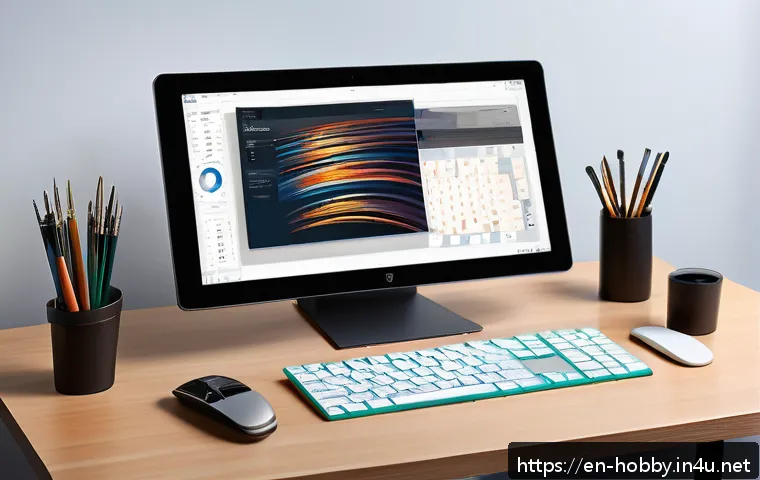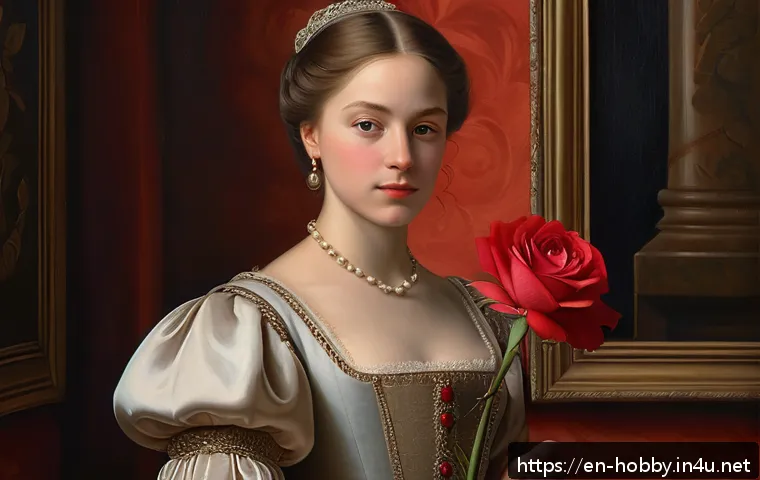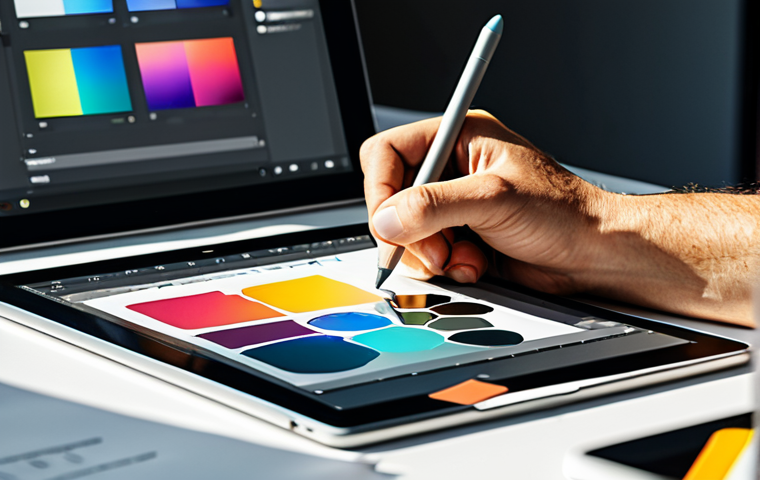
Diving into the world of design illustration is like opening a treasure chest overflowing with styles, techniques, and endless possibilities. From the crisp lines of vector art to the textured depths of digital painting, there’s a visual language for every story you want to tell.
I’ve always been captivated by how a single image can evoke such powerful emotions and communicate complex ideas in an instant. The coolest thing is, with the rise of AI tools and digital platforms, the landscape is constantly evolving, offering artists new ways to experiment and push creative boundaries.
Let’s delve deeper and discover more about these fascinating techniques! Let’s explore the details in the following article.
Alright, let’s dive into expanding this design illustration exploration!
Unlocking Emotional Resonance Through Color Palettes
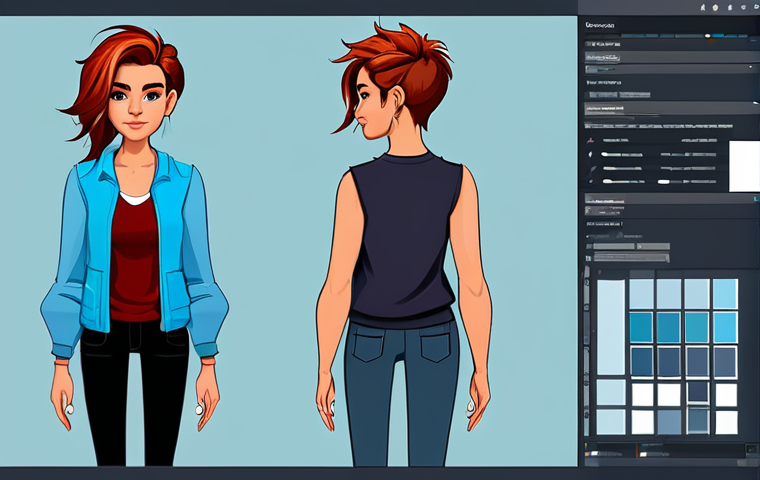
Color is the soul of illustration, isn’t it? It’s more than just aesthetics; it’s the silent language that dictates mood, guides the eye, and even sparks memories.
I remember working on a project for a children’s book where the initial palette felt…flat. It wasn’t until I shifted to warmer, earthier tones that the characters truly came alive, their playful nature radiating from the page.
Choosing the right color palette is like composing a symphony; each hue plays its part in creating a harmonious and emotionally resonant experience. It’s not just about what looks pretty, but about what feels right for the story you’re telling.
I’ve found that exploring color theory and experimenting with different combinations, like analogous, complementary, or triadic palettes, can lead to unexpected and delightful results.
Don’t be afraid to break the rules and trust your intuition – sometimes the most impactful choices are the ones that surprise you. After all, color is subjective, and its power lies in its ability to connect with the viewer on a deeply personal level.
Thinking about how the right use of color can affect the CTR of an ad is interesting as well, as it helps to draw the eye to certain ads.
Crafting a Mood Board for Inspiration
I swear by mood boards. Before I even touch a stylus or paintbrush, I immerse myself in visuals. Think textures, fabrics, photographs – anything that evokes the feeling I’m aiming for.
It’s like creating a visual recipe for your illustration.
Leveraging Color Psychology for Impact
Dive into the psychology of color. Red screams passion and energy, while blues whisper tranquility and trust. Understanding these associations lets you strategically manipulate emotions within your artwork.
Finding Inspiration in Unexpected Places
Don’t limit yourself to Pinterest. I find the most unique color combinations hiking through nature, browsing vintage markets, or even observing the way light filters through a stained-glass window.
Keep your eyes open!
Mastering the Art of Digital Brushwork
Forget the sterile, computer-generated look! Digital illustration has come so far, offering brushes that mimic the texture of charcoal, the flow of watercolor, and the grit of oil paint.
The key is to experiment and find brushes that resonate with your personal style. I recently stumbled upon a set of custom-made brushes that completely transformed my workflow, allowing me to achieve a level of detail and nuance I never thought possible digitally.
It’s about understanding how these brushes interact with pressure, tilt, and speed to create varying effects. Don’t be afraid to layer textures, blend colors, and push the boundaries of what’s possible.
The beauty of digital is its forgiving nature; you can always undo, refine, and iterate until you achieve the desired result. Embrace the imperfections – they often add character and authenticity to your work.
Remember, digital brushwork is not about replicating traditional techniques, but about creating something entirely new and unique. It’s a conversation between the artist, the tool, and the digital canvas.
Experimenting with Brush Settings for Unique Textures
Each digital brush has a multitude of settings to tweak: size, opacity, flow, jitter, scattering… Mastering these parameters unlocks a world of textural possibilities.
Simulating Traditional Media Effects
Explore brushes that mimic the look of watercolor washes, oil paint strokes, or charcoal scribbles. Blending modes like “multiply” and “overlay” can further enhance the realism.
Creating Your Own Custom Brushes
Take your artistry to the next level by crafting your own brushes from scratch! This allows you to perfectly tailor the tools to your unique style and vision.
Infusing Personality Through Character Design
Character design is where illustration truly comes alive. It’s about more than just drawing a pretty face; it’s about crafting a believable, relatable, and memorable personality through visual cues.
I always start by asking myself, “Who is this character? What are their quirks, their dreams, their fears?” Then, I translate those qualities into their physical appearance – their posture, their clothing, their facial expressions.
A slightly crooked smile can convey mischief, while wide, innocent eyes can evoke empathy. Don’t underestimate the power of asymmetry and subtle imperfections; they’re what make characters feel real and human.
I also find it helpful to create a backstory for each character, even if it’s never explicitly revealed in the illustration. This helps me understand their motivations and make informed design choices that resonate with their personality.
Remember, character design is about storytelling – every line, every shape, every color should contribute to the narrative.
Exaggerating Features for Emphasis
Don’t be afraid to push the boundaries of realism. Exaggerating certain features, like the size of the eyes or the shape of the nose, can amplify a character’s personality traits.
Utilizing Shape Language to Convey Personality
Rounded shapes tend to evoke feelings of friendliness and approachability, while sharp, angular shapes can suggest edginess or danger.
Developing a Compelling Backstory
Even if it’s never explicitly stated, giving your characters a rich backstory will inform your design choices and make them feel more authentic.
Harnessing the Power of Vector Graphics
Vector graphics are your secret weapon for clean, scalable, and versatile illustrations. Unlike raster images, which are made up of pixels, vector graphics are based on mathematical equations, allowing them to be resized without losing quality.
This makes them ideal for logos, icons, and illustrations that need to be used in various sizes and formats. I remember creating a logo for a local bakery, and the client was thrilled that it could be scaled from a tiny business card to a huge banner without any pixelation.
Vector graphics also offer precise control over lines, shapes, and colors, making them perfect for creating intricate details and geometric designs. While they may lack the organic feel of raster-based illustrations, vector graphics can be incredibly expressive in their own right.
The key is to embrace their inherent precision and use it to your advantage, creating bold, graphic designs that stand out from the crowd. With tools like Adobe Illustrator and Affinity Designer, mastering the art of vector graphics is within reach for any aspiring illustrator.
Understanding the Benefits of Scalability
Vector graphics can be scaled infinitely without losing quality, making them perfect for designs that need to be used in various sizes.
Utilizing the Pen Tool for Precise Line Work
The Pen Tool is the workhorse of vector graphics, allowing you to create precise lines, curves, and shapes with ease.
Exploring Different Vector Styles
From minimalist line art to bold, geometric designs, vector graphics offer a wide range of stylistic possibilities.
Optimizing Your Workflow with Digital Tools
Forget tedious sketching and scanning! Digital illustration tools streamline your process, saving you time and energy. I’m talking about layers for non-destructive editing, custom brushes that mimic traditional media, and color palettes that save your sanity.
Choosing the right software is crucial. I personally swear by Procreate for its intuitive interface and iPad portability. But Adobe Photoshop and Clip Studio Paint offer more advanced features if you need them.
Don’t be afraid to experiment and find what works best for *your* style. It’s about more than just the software; it’s about creating a workflow that’s efficient, enjoyable, and allows you to focus on the creative process.
Think keyboard shortcuts, custom workspaces, and pre-saved templates. The goal is to eliminate friction and make it as easy as possible to translate your ideas from your mind to the digital canvas.
Leveraging Layers for Non-Destructive Editing
Layers are your best friend in digital illustration. They allow you to experiment with different elements without permanently altering your artwork.
Customizing Your Workspace for Efficiency
Arrange your toolbars and panels in a way that feels natural and intuitive to you. This will significantly speed up your workflow.
Mastering Keyboard Shortcuts
Learning keyboard shortcuts can save you countless hours of clicking and menu-diving. Create your own cheat sheet and keep it handy.
Building a Compelling Illustration Portfolio
Your portfolio is your calling card, your ambassador, the visual representation of your skills and style. It’s crucial to curate it carefully, showcasing your best work and targeting the types of projects you want to attract.
I always advise aspiring illustrators to focus on quality over quantity. A few standout pieces that demonstrate your unique voice and technical abilities are far more effective than a large collection of mediocre work.
Think about the story you want to tell with your portfolio. Do you want to be seen as a whimsical children’s book illustrator, a bold editorial artist, or a versatile designer?
Tailor your selection accordingly. And don’t be afraid to experiment with different formats and layouts. A well-designed portfolio can be just as impactful as the illustrations themselves.
Remember, your portfolio is a living document, constantly evolving and reflecting your growth as an artist. Keep it updated with your latest and greatest work, and don’t be afraid to seek feedback from peers and mentors.
Showcasing Your Best Work
Focus on quality over quantity. Include only your strongest pieces that demonstrate your unique style and technical abilities.
Tailoring Your Portfolio to Your Target Audience
Consider the types of projects you want to attract and curate your portfolio accordingly.
Experimenting with Different Portfolio Formats
From online websites to printed books, there are many ways to showcase your illustration work. Choose a format that best suits your style and target audience.
Monetizing Your Illustration Skills
Okay, let’s talk brass tacks. Turning your passion into a paycheck requires strategy. I’ve seen artists thrive selling prints on Etsy, licensing their work for merchandise, or offering freelance services on platforms like Upwork and Fiverr.
The key is diversification. Don’t put all your eggs in one basket. Explore different revenue streams and see what resonates with you.
Building a strong online presence is also crucial. A professional website, active social media accounts, and a well-crafted email list can help you connect with potential clients and customers.
And don’t underestimate the power of networking. Attend industry events, connect with other artists online, and build relationships with potential collaborators.
Remember, monetizing your illustration skills is a marathon, not a sprint. It takes time, effort, and persistence. But with the right strategy and a lot of passion, you can turn your creative talent into a sustainable and rewarding career.
Here’s a table summarizing some monetization strategies:
| Strategy | Description | Pros | Cons |
|---|---|---|---|
| Selling Prints | Creating and selling physical or digital prints of your artwork. | Relatively low startup cost, direct control over pricing and production. | Requires marketing and fulfillment efforts, can be competitive. |
| Licensing Artwork | Granting permission to use your artwork for commercial purposes. | Passive income potential, wide reach. | Requires finding suitable licensees, complex legal agreements. |
| Freelance Illustration | Providing illustration services to clients on a project basis. | High earning potential, diverse projects. | Requires strong marketing and business skills, can be inconsistent. |
| Selling Merchandise | Creating and selling products featuring your artwork. | Potential for high profits, brand building. | Requires significant investment in production and inventory, risk of unsold goods. |
Building an Online Store
Selling your artwork directly to customers through an online store gives you complete control over pricing, branding, and customer service.
Licensing Your Artwork for Commercial Use
Licensing your artwork to businesses or individuals can generate passive income and expand your reach.
Offering Freelance Illustration Services
Freelancing allows you to work on a variety of projects and build a diverse portfolio. Alright, let’s dive into expanding this design illustration exploration!
Unlocking Emotional Resonance Through Color Palettes
Color is the soul of illustration, isn’t it? It’s more than just aesthetics; it’s the silent language that dictates mood, guides the eye, and even sparks memories. I remember working on a project for a children’s book where the initial palette felt…flat. It wasn’t until I shifted to warmer, earthier tones that the characters truly came alive, their playful nature radiating from the page. Choosing the right color palette is like composing a symphony; each hue plays its part in creating a harmonious and emotionally resonant experience. It’s not just about what looks pretty, but about what feels right for the story you’re telling. I’ve found that exploring color theory and experimenting with different combinations, like analogous, complementary, or triadic palettes, can lead to unexpected and delightful results. Don’t be afraid to break the rules and trust your intuition – sometimes the most impactful choices are the ones that surprise you. After all, color is subjective, and its power lies in its ability to connect with the viewer on a deeply personal level. Thinking about how the right use of color can affect the CTR of an ad is interesting as well, as it helps to draw the eye to certain ads.
Crafting a Mood Board for Inspiration
I swear by mood boards. Before I even touch a stylus or paintbrush, I immerse myself in visuals. Think textures, fabrics, photographs – anything that evokes the feeling I’m aiming for. It’s like creating a visual recipe for your illustration.
Leveraging Color Psychology for Impact
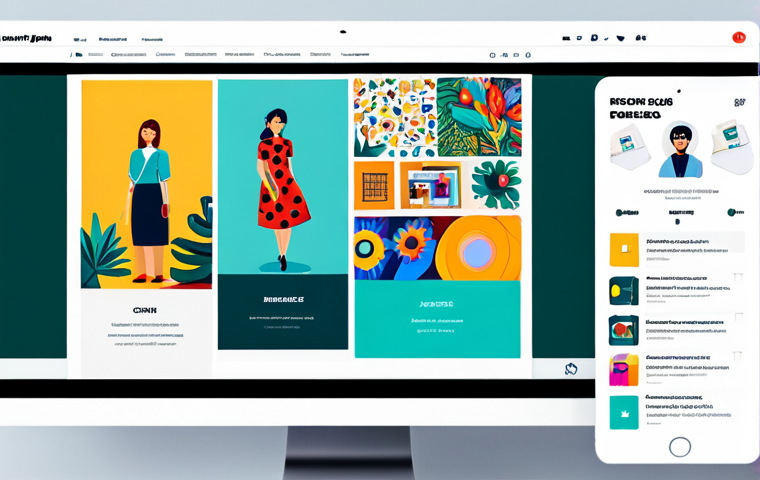
Dive into the psychology of color. Red screams passion and energy, while blues whisper tranquility and trust. Understanding these associations lets you strategically manipulate emotions within your artwork.
Finding Inspiration in Unexpected Places
Don’t limit yourself to Pinterest. I find the most unique color combinations hiking through nature, browsing vintage markets, or even observing the way light filters through a stained-glass window. Keep your eyes open!
Mastering the Art of Digital Brushwork
Forget the sterile, computer-generated look! Digital illustration has come so far, offering brushes that mimic the texture of charcoal, the flow of watercolor, and the grit of oil paint. The key is to experiment and find brushes that resonate with your personal style. I recently stumbled upon a set of custom-made brushes that completely transformed my workflow, allowing me to achieve a level of detail and nuance I never thought possible digitally. It’s about understanding how these brushes interact with pressure, tilt, and speed to create varying effects. Don’t be afraid to layer textures, blend colors, and push the boundaries of what’s possible. The beauty of digital is its forgiving nature; you can always undo, refine, and iterate until you achieve the desired result. Embrace the imperfections – they often add character and authenticity to your work. Remember, digital brushwork is not about replicating traditional techniques, but about creating something entirely new and unique. It’s a conversation between the artist, the tool, and the digital canvas.
Experimenting with Brush Settings for Unique Textures
Each digital brush has a multitude of settings to tweak: size, opacity, flow, jitter, scattering… Mastering these parameters unlocks a world of textural possibilities.
Simulating Traditional Media Effects
Explore brushes that mimic the look of watercolor washes, oil paint strokes, or charcoal scribbles. Blending modes like “multiply” and “overlay” can further enhance the realism.
Creating Your Own Custom Brushes
Take your artistry to the next level by crafting your own brushes from scratch! This allows you to perfectly tailor the tools to your unique style and vision.
Infusing Personality Through Character Design
Character design is where illustration truly comes alive. It’s about more than just drawing a pretty face; it’s about crafting a believable, relatable, and memorable personality through visual cues. I always start by asking myself, “Who is this character? What are their quirks, their dreams, their fears?” Then, I translate those qualities into their physical appearance – their posture, their clothing, their facial expressions. A slightly crooked smile can convey mischief, while wide, innocent eyes can evoke empathy. Don’t underestimate the power of asymmetry and subtle imperfections; they’re what make characters feel real and human. I also find it helpful to create a backstory for each character, even if it’s never explicitly revealed in the illustration. This helps me understand their motivations and make informed design choices that resonate with their personality. Remember, character design is about storytelling – every line, every shape, every color should contribute to the narrative.
Exaggerating Features for Emphasis
Don’t be afraid to push the boundaries of realism. Exaggerating certain features, like the size of the eyes or the shape of the nose, can amplify a character’s personality traits.
Utilizing Shape Language to Convey Personality
Rounded shapes tend to evoke feelings of friendliness and approachability, while sharp, angular shapes can suggest edginess or danger.
Developing a Compelling Backstory
Even if it’s never explicitly stated, giving your characters a rich backstory will inform your design choices and make them feel more authentic.
Harnessing the Power of Vector Graphics
Vector graphics are your secret weapon for clean, scalable, and versatile illustrations. Unlike raster images, which are made up of pixels, vector graphics are based on mathematical equations, allowing them to be resized without losing quality. This makes them ideal for logos, icons, and illustrations that need to be used in various sizes and formats. I remember creating a logo for a local bakery, and the client was thrilled that it could be scaled from a tiny business card to a huge banner without any pixelation. Vector graphics also offer precise control over lines, shapes, and colors, making them perfect for creating intricate details and geometric designs. While they may lack the organic feel of raster-based illustrations, vector graphics can be incredibly expressive in their own right. The key is to embrace their inherent precision and use it to your advantage, creating bold, graphic designs that stand out from the crowd. With tools like Adobe Illustrator and Affinity Designer, mastering the art of vector graphics is within reach for any aspiring illustrator.
Understanding the Benefits of Scalability
Vector graphics can be scaled infinitely without losing quality, making them perfect for designs that need to be used in various sizes.
Utilizing the Pen Tool for Precise Line Work
The Pen Tool is the workhorse of vector graphics, allowing you to create precise lines, curves, and shapes with ease.
Exploring Different Vector Styles
From minimalist line art to bold, geometric designs, vector graphics offer a wide range of stylistic possibilities.
Optimizing Your Workflow with Digital Tools
Forget tedious sketching and scanning! Digital illustration tools streamline your process, saving you time and energy. I’m talking about layers for non-destructive editing, custom brushes that mimic traditional media, and color palettes that save your sanity. Choosing the right software is crucial. I personally swear by Procreate for its intuitive interface and iPad portability. But Adobe Photoshop and Clip Studio Paint offer more advanced features if you need them. Don’t be afraid to experiment and find what works best for *your* style. It’s about more than just the software; it’s about creating a workflow that’s efficient, enjoyable, and allows you to focus on the creative process. Think keyboard shortcuts, custom workspaces, and pre-saved templates. The goal is to eliminate friction and make it as easy as possible to translate your ideas from your mind to the digital canvas.
Leveraging Layers for Non-Destructive Editing
Layers are your best friend in digital illustration. They allow you to experiment with different elements without permanently altering your artwork.
Customizing Your Workspace for Efficiency
Arrange your toolbars and panels in a way that feels natural and intuitive to you. This will significantly speed up your workflow.
Mastering Keyboard Shortcuts
Learning keyboard shortcuts can save you countless hours of clicking and menu-diving. Create your own cheat sheet and keep it handy.
Building a Compelling Illustration Portfolio
Your portfolio is your calling card, your ambassador, the visual representation of your skills and style. It’s crucial to curate it carefully, showcasing your best work and targeting the types of projects you want to attract. I always advise aspiring illustrators to focus on quality over quantity. A few standout pieces that demonstrate your unique voice and technical abilities are far more effective than a large collection of mediocre work. Think about the story you want to tell with your portfolio. Do you want to be seen as a whimsical children’s book illustrator, a bold editorial artist, or a versatile designer? Tailor your selection accordingly. And don’t be afraid to experiment with different formats and layouts. A well-designed portfolio can be just as impactful as the illustrations themselves. Remember, your portfolio is a living document, constantly evolving and reflecting your growth as an artist. Keep it updated with your latest and greatest work, and don’t be afraid to seek feedback from peers and mentors.
Showcasing Your Best Work
Focus on quality over quantity. Include only your strongest pieces that demonstrate your unique style and technical abilities.
Tailoring Your Portfolio to Your Target Audience
Consider the types of projects you want to attract and curate your portfolio accordingly.
Experimenting with Different Portfolio Formats
From online websites to printed books, there are many ways to showcase your illustration work. Choose a format that best suits your style and target audience.
Monetizing Your Illustration Skills
Okay, let’s talk brass tacks. Turning your passion into a paycheck requires strategy. I’ve seen artists thrive selling prints on Etsy, licensing their work for merchandise, or offering freelance services on platforms like Upwork and Fiverr. The key is diversification. Don’t put all your eggs in one basket. Explore different revenue streams and see what resonates with you. Building a strong online presence is also crucial. A professional website, active social media accounts, and a well-crafted email list can help you connect with potential clients and customers. And don’t underestimate the power of networking. Attend industry events, connect with other artists online, and build relationships with potential collaborators. Remember, monetizing your illustration skills is a marathon, not a sprint. It takes time, effort, and persistence. But with the right strategy and a lot of passion, you can turn your creative talent into a sustainable and rewarding career.
Here’s a table summarizing some monetization strategies:
| Strategy | Description | Pros | Cons |
|---|---|---|---|
| Selling Prints | Creating and selling physical or digital prints of your artwork. | Relatively low startup cost, direct control over pricing and production. | Requires marketing and fulfillment efforts, can be competitive. |
| Licensing Artwork | Granting permission to use your artwork for commercial purposes. | Passive income potential, wide reach. | Requires finding suitable licensees, complex legal agreements. |
| Freelance Illustration | Providing illustration services to clients on a project basis. | High earning potential, diverse projects. | Requires strong marketing and business skills, can be inconsistent. |
| Selling Merchandise | Creating and selling products featuring your artwork. | Potential for high profits, brand building. | Requires significant investment in production and inventory, risk of unsold goods. |
Building an Online Store
Selling your artwork directly to customers through an online store gives you complete control over pricing, branding, and customer service.
Licensing Your Artwork for Commercial Use
Licensing your artwork to businesses or individuals can generate passive income and expand your reach.
Offering Freelance Illustration Services
Freelancing allows you to work on a variety of projects and build a diverse portfolio.
In Conclusion
So there you have it, a deeper dive into the world of design illustration! From the emotional power of color palettes to the precision of vector graphics, the possibilities are truly endless. Don’t be afraid to experiment, to break the rules, and to find your own unique voice. The most important thing is to keep creating and to never stop learning. With passion, dedication, and a little bit of know-how, you can turn your artistic dreams into a reality. Now go forth and illustrate!
Useful Tips
1. Explore online courses on Skillshare or Udemy to sharpen specific illustration skills.
2. Attend local art meetups or workshops to network with fellow creatives in your area. Check sites like Eventbrite or Meetup.com for listings.
3. Use a password manager like LastPass or 1Password to keep your online accounts secure, especially if you’re freelancing and dealing with client information.
4. Consider investing in ergonomic tools like a good chair and wrist rest to prevent strain from long hours of illustrating.
5. For freelance contracts, use templates from sites like Docracy or consult with a legal professional to ensure your rights are protected.
Key Takeaways
Focus on developing a unique style that showcases your personality. Don’t underestimate the importance of color theory and its impact on emotional resonance. Practice regularly to hone your skills and experiment with different techniques. Build a compelling portfolio that highlights your best work and targets your desired clients. Monetize your skills through various channels, including online stores, licensing, and freelance services.
Frequently Asked Questions (FAQ) 📖
Q: What are some essential skills needed to succeed as a design illustrator in today’s market?
A: Honestly, besides the obvious drawing skills, adaptability is key! You need to be comfortable jumping between styles depending on the project. Knowing your way around digital tools like Adobe Illustrator and Photoshop is a must, but don’t underestimate the power of traditional methods – sometimes a hand-drawn sketch can add a real human touch.
And definitely, build a strong portfolio showcasing your versatility and personal style. Networking and self-promotion are also crucial; Instagram and Behance are your friends!
Q: How has the emergence of
A: I tools affected the field of design illustration, and what advice would you give to illustrators navigating this new landscape? A2: AI is a double-edged sword, I think.
On one hand, it can be a cool tool for brainstorming and generating initial concepts. I’ve experimented with it myself to get some quick ideas flowing.
But, it also poses a threat if you’re not careful. My advice is to embrace AI as a supplementary tool, not a replacement for your own creativity. Focus on developing a unique, recognizable style that AI can’t easily replicate.
Learn to integrate AI into your workflow to boost efficiency, but always maintain your artistic integrity and put your personal stamp on your work. Remember, clients hire you for your vision and experience, not just for your ability to use software.
Q: Can you give an example of a personal project or experience where you successfully experimented with a new design illustration technique? What did you learn from it?
A: Absolutely! I remember being stuck in a creative rut a while back, so I decided to challenge myself with creating a series of illustrations using isometric projection.
I’d always admired the clean, geometric look of it, but never actually tried it myself. It was a total learning curve! I spent hours watching tutorials and experimenting with different angles and perspectives.
One of the biggest challenges was getting the proportions right, especially when dealing with complex scenes. After a lot of trial and error, I finally managed to create a few illustrations that I was really proud of.
The experience taught me the importance of stepping outside my comfort zone and continuously learning new skills. Plus, it added a valuable new technique to my repertoire, which has opened up some really interesting opportunities since then.
📚 References
Wikipedia Encyclopedia
구글 검색 결과
구글 검색 결과
구글 검색 결과
구글 검색 결과
구글 검색 결과