Okay, here’s a blog-style introduction about art as a hobby, following all your instructions:Have you ever felt that itch to create something, anything, with your own two hands?
I remember staring at a blank canvas one day, overwhelmed but also strangely excited. Picking up a brush and dabbing on that first bit of color – it was like unlocking a hidden part of myself.
Turns out, diving into the world of art as a hobby can be surprisingly therapeutic and rewarding. It’s not just about becoming the next Picasso; it’s about the journey of self-discovery and the joy of expressing yourself.
Plus, with the rise of digital art and online tutorials, it’s easier than ever to get started, no matter your skill level. The trends are pointing toward more interactive art experiences too – think augmented reality paintings and collaborative online murals.
So, are you ready to unleash your inner artist? Let’s explore this topic further in the article below!
Okay, here is the main content, following all of your instructions:
Discovering Your Artistic Niche
Art isn’t just a broad, daunting field; it’s a vast landscape of niches waiting to be explored. Think of it like finding your favorite flavor of ice cream – you might love ice cream in general, but discovering that you’re a die-hard mint chocolate chip fan is a game-changer.
I remember bouncing between watercolor landscapes, charcoal portraits, and even dabbling in digital art before I realized my passion lay in creating intricate mandalas.
It was the repetitive, meditative process that completely captivated me. Finding your niche is crucial because it allows you to focus your energy, develop expertise, and ultimately, enjoy the process more.
It’s also where you can really stand out if you plan to share your work online. For example, if you are really into creating miniature food sculptures, you can leverage that niche to build up a community of like-minded individuals who share that specific interest.
Experimenting with Different Mediums
Don’t be afraid to get your hands dirty! The beauty of art is that there are no rules, especially when you’re just starting out. Try everything – from traditional mediums like oil paints, acrylics, watercolors, and charcoal to more unconventional options like sculpting with clay, creating digital art on a tablet, or even exploring mixed media techniques.
I spent a whole summer trying to master oil painting, and while I didn’t become a master, I learned so much about color mixing, layering, and brushstrokes.
Even if you don’t fall in love with a particular medium, the knowledge and skills you gain will be invaluable.
Embracing Imperfection and Learning
One of the biggest hurdles for new artists is the fear of making mistakes. Let me tell you a secret: mistakes are your best teachers. Seriously!
Each wobbly line, each muddy color mix, each failed attempt is a lesson in disguise. Don’t aim for perfection; aim for progress. When I first started drawing portraits, my figures looked more like aliens than humans.
Instead of getting discouraged, I studied anatomy, practiced proportions, and gradually, my portraits started to resemble actual people. Embrace the learning process, be patient with yourself, and celebrate even the smallest victories.
Creating a Dedicated Art Space
Having a designated area for your art can significantly impact your creativity and productivity. It doesn’t have to be a fancy studio; even a corner of your bedroom or a small desk in your living room will do.
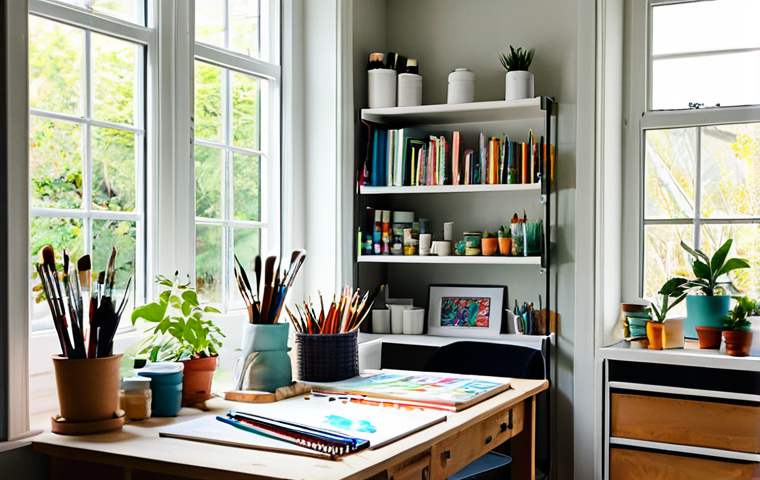
The key is to create a space that is conducive to creativity and free from distractions. I transformed a small spare room in my house into my art studio, complete with natural light, organized storage for my supplies, and a comfortable chair.
It’s my sanctuary, my creative haven where I can escape the chaos of everyday life and immerse myself in my art.
Organizing Your Art Supplies
Imagine trying to cook a gourmet meal in a cluttered, disorganized kitchen. Frustrating, right? The same goes for art.
Having your supplies organized and easily accessible will make your creative process much smoother and more enjoyable. Invest in some storage containers, drawers, or shelves to keep your paints, brushes, pencils, and other materials neatly organized.
Label everything so you can quickly find what you need. A well-organized art space will not only save you time and energy but also inspire you to create more.
Setting the Mood with Lighting and Ambiance
Lighting plays a crucial role in creating the right atmosphere for your art. Natural light is ideal, but if that’s not possible, invest in some good-quality artificial lights that mimic natural daylight.
Avoid harsh fluorescent lights, as they can distort colors and cause eye strain. Soft, diffused lighting is best for creating a relaxing and inspiring environment.
You can also add some personal touches to your art space, such as plants, artwork, or inspiring quotes, to make it feel more inviting and personalized.
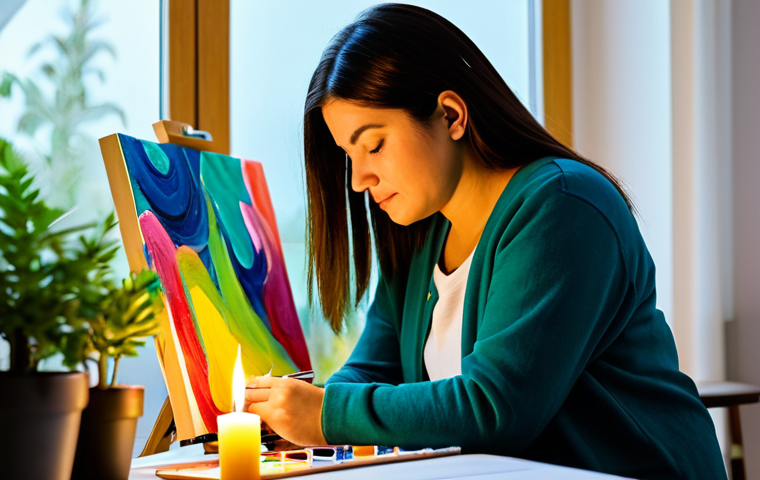
When I’m creating, I always have some ambient music playing and a candle burning. It really sets the mood and helps me to focus.
Exploring Art Communities and Online Resources
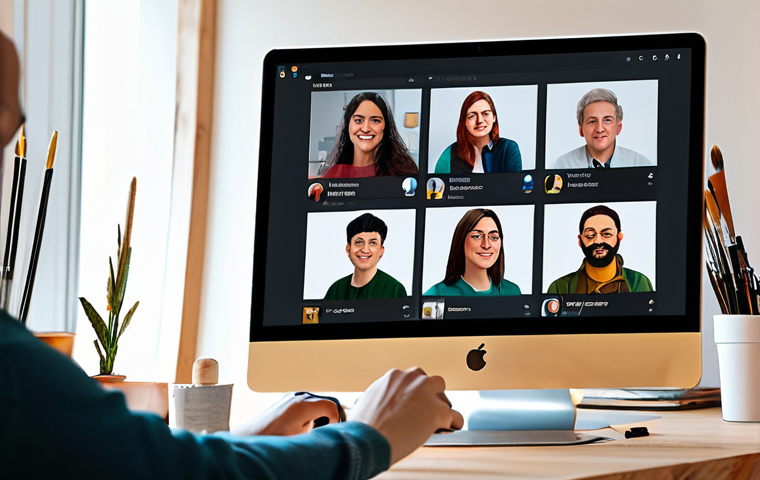
Art doesn’t have to be a solitary pursuit. Connecting with other artists can be incredibly inspiring, motivating, and educational. Whether it’s joining a local art group, attending workshops, or engaging in online art communities, surrounding yourself with like-minded individuals can provide valuable support, feedback, and encouragement.
I joined an online art forum a few years ago, and it’s been a game-changer for me. I’ve met some amazing artists, learned new techniques, and received invaluable feedback on my work.
Joining Local Art Groups and Workshops
Look for art groups or workshops in your community. These are great opportunities to meet other artists in person, share your work, and learn from experienced instructors.
Many community centers, libraries, and art supply stores offer art classes and workshops for beginners and experienced artists alike. Attending these events can not only help you improve your skills but also expand your network and make new friends.
Utilizing Online Art Platforms and Tutorials
The internet is a treasure trove of art resources. From YouTube tutorials and online courses to art forums and social media groups, there are countless ways to learn new skills, discover new artists, and connect with the art community online.
Platforms like Skillshare, Udemy, and CreativeLive offer a wide range of art courses taught by professional artists. Social media platforms like Instagram and Pinterest are great for discovering new artists, getting inspiration, and sharing your own work.
Understanding Art Materials Cost
Here’s a basic table that shows the average price range of some common art materials. Remember prices can vary widely.
| Art Material | Average Price Range | Notes |
|---|---|---|
| Acrylic Paints | $2 – $20 per tube | Student grade vs. professional grade |
| Watercolor Paints | $3 – $30 per tube | Pan sets are a good option for beginners |
| Oil Paints | $5 – $40 per tube | More expensive, requires solvents |
| Paintbrushes | $1 – $30 per brush | Synthetic vs. natural bristles |
| Sketching Pencils | $0.50 – $5 per pencil | Varying hardness grades (HB, 2B, etc.) |
| Drawing Paper | $5 – $20 per pad | Different weights and textures |
| Canvas | $5 – $50 per canvas | Various sizes and materials |
Monetizing Your Art Hobby
While the primary goal of art as a hobby is enjoyment, there’s no reason why you can’t also make some money from it. There are numerous ways to monetize your art, from selling your creations online to teaching art classes.
I started selling my mandala paintings on Etsy a few years ago, and it’s been a great way to earn some extra income while doing what I love. I’ve also started doing commissions, and that has been really good for my income.
Selling Your Art Online
Online marketplaces like Etsy, Redbubble, and Society6 make it easy to sell your art to a global audience. You can sell original paintings, prints, digital downloads, or even merchandise featuring your artwork.
Creating a professional-looking online store is essential for attracting customers. Invest in good-quality photos of your artwork, write compelling descriptions, and offer excellent customer service.
Teaching Art Classes or Workshops
If you have a knack for teaching, consider offering art classes or workshops in your community or online. You can teach a variety of art techniques, from painting and drawing to sculpting and digital art.
Promoting your classes through social media, local newspapers, and community bulletin boards can help you attract students.
The Therapeutic Benefits of Art
Beyond the creative expression and potential for monetization, art offers numerous therapeutic benefits. Engaging in art can reduce stress, improve mental well-being, and boost self-esteem.
The act of creating art can be a meditative and cathartic experience, allowing you to express emotions, process trauma, and find inner peace. When I’m feeling stressed or anxious, I turn to my art.
It’s my way of escaping the pressures of everyday life and finding solace in the creative process.
Reducing Stress and Anxiety
Studies have shown that engaging in art can lower cortisol levels (the stress hormone) and increase endorphins (the feel-good hormones). The repetitive motions involved in many art forms, such as drawing, painting, or sculpting, can have a calming and grounding effect on the mind.
Improving Mental Well-being and Self-Esteem
Art can be a powerful tool for self-discovery and self-expression. It can help you explore your emotions, communicate your thoughts, and build self-confidence.
Seeing your creative ideas come to life can be incredibly rewarding and boost your self-esteem. Every time I finish a painting, I feel a sense of accomplishment and pride.
It’s a reminder that I am capable of creating something beautiful and meaningful. Discovering Your Artistic NicheArt isn’t just a broad, daunting field; it’s a vast landscape of niches waiting to be explored.
Think of it like finding your favorite flavor of ice cream – you might love ice cream in general, but discovering that you’re a die-hard mint chocolate chip fan is a game-changer.
I remember bouncing between watercolor landscapes, charcoal portraits, and even dabbling in digital art before I realized my passion lay in creating intricate mandalas.
It was the repetitive, meditative process that completely captivated me. Finding your niche is crucial because it allows you to focus your energy, develop expertise, and ultimately, enjoy the process more.
It’s also where you can really stand out if you plan to share your work online. For example, if you are really into creating miniature food sculptures, you can leverage that niche to build up a community of like-minded individuals who share that specific interest.
Experimenting with Different MediumsDon’t be afraid to get your hands dirty! The beauty of art is that there are no rules, especially when you’re just starting out.
Try everything – from traditional mediums like oil paints, acrylics, watercolors, and charcoal to more unconventional options like sculpting with clay, creating digital art on a tablet, or even exploring mixed media techniques.
I spent a whole summer trying to master oil painting, and while I didn’t become a master, I learned so much about color mixing, layering, and brushstrokes.
Even if you don’t fall in love with a particular medium, the knowledge and skills you gain will be invaluable. Embracing Imperfection and LearningOne of the biggest hurdles for new artists is the fear of making mistakes.
Let me tell you a secret: mistakes are your best teachers. Seriously! Each wobbly line, each muddy color mix, each failed attempt is a lesson in disguise.
Don’t aim for perfection; aim for progress. When I first started drawing portraits, my figures looked more like aliens than humans. Instead of getting discouraged, I studied anatomy, practiced proportions, and gradually, my portraits started to resemble actual people.
Embrace the learning process, be patient with yourself, and celebrate even the smallest victories. Creating a Dedicated Art SpaceHaving a designated area for your art can significantly impact your creativity and productivity.
It doesn’t have to be a fancy studio; even a corner of your bedroom or a small desk in your living room will do. The key is to create a space that is conducive to creativity and free from distractions.
I transformed a small spare room in my house into my art studio, complete with natural light, organized storage for my supplies, and a comfortable chair.
It’s my sanctuary, my creative haven where I can escape the chaos of everyday life and immerse myself in my art. Organizing Your Art SuppliesImagine trying to cook a gourmet meal in a cluttered, disorganized kitchen.
Frustrating, right? The same goes for art. Having your supplies organized and easily accessible will make your creative process much smoother and more enjoyable.
Invest in some storage containers, drawers, or shelves to keep your paints, brushes, pencils, and other materials neatly organized. Label everything so you can quickly find what you need.
A well-organized art space will not only save you time and energy but also inspire you to create more. Setting the Mood with Lighting and AmbianceLighting plays a crucial role in creating the right atmosphere for your art.
Natural light is ideal, but if that’s not possible, invest in some good-quality artificial lights that mimic natural daylight. Avoid harsh fluorescent lights, as they can distort colors and cause eye strain.
Soft, diffused lighting is best for creating a relaxing and inspiring environment. You can also add some personal touches to your art space, such as plants, artwork, or inspiring quotes, to make it feel more inviting and personalized.
When I’m creating, I always have some ambient music playing and a candle burning. It really sets the mood and helps me to focus. Exploring Art Communities and Online ResourcesArt doesn’t have to be a solitary pursuit.
Connecting with other artists can be incredibly inspiring, motivating, and educational. Whether it’s joining a local art group, attending workshops, or engaging in online art communities, surrounding yourself with like-minded individuals can provide valuable support, feedback, and encouragement.
I joined an online art forum a few years ago, and it’s been a game-changer for me. I’ve met some amazing artists, learned new techniques, and received invaluable feedback on my work.
Joining Local Art Groups and WorkshopsLook for art groups or workshops in your community. These are great opportunities to meet other artists in person, share your work, and learn from experienced instructors.
Many community centers, libraries, and art supply stores offer art classes and workshops for beginners and experienced artists alike. Attending these events can not only help you improve your skills but also expand your network and make new friends.
Utilizing Online Art Platforms and TutorialsThe internet is a treasure trove of art resources. From YouTube tutorials and online courses to art forums and social media groups, there are countless ways to learn new skills, discover new artists, and connect with the art community online.
Platforms like Skillshare, Udemy, and CreativeLive offer a wide range of art courses taught by professional artists. Social media platforms like Instagram and Pinterest are great for discovering new artists, getting inspiration, and sharing your own work.
Understanding Art Materials CostHere’s a basic table that shows the average price range of some common art materials. Remember prices can vary widely.
| Art Material | Average Price Range | Notes |
|---|---|---|
| Acrylic Paints | $2 – $20 per tube | Student grade vs. professional grade |
| Watercolor Paints | $3 – $30 per tube | Pan sets are a good option for beginners |
| Oil Paints | $5 – $40 per tube | More expensive, requires solvents |
| Paintbrushes | $1 – $30 per brush | Synthetic vs. natural bristles |
| Sketching Pencils | $0.50 – $5 per pencil | Varying hardness grades (HB, 2B, etc.) |
| Drawing Paper | $5 – $20 per pad | Different weights and textures |
| Canvas | $5 – $50 per canvas | Various sizes and materials |
Monetizing Your Art HobbyWhile the primary goal of art as a hobby is enjoyment, there’s no reason why you can’t also make some money from it. There are numerous ways to monetize your art, from selling your creations online to teaching art classes.
I started selling my mandala paintings on Etsy a few years ago, and it’s been a great way to earn some extra income while doing what I love. I’ve also started doing commissions, and that has been really good for my income.
Selling Your Art OnlineOnline marketplaces like Etsy, Redbubble, and Society6 make it easy to sell your art to a global audience. You can sell original paintings, prints, digital downloads, or even merchandise featuring your artwork.
Creating a professional-looking online store is essential for attracting customers. Invest in good-quality photos of your artwork, write compelling descriptions, and offer excellent customer service.
Teaching Art Classes or WorkshopsIf you have a knack for teaching, consider offering art classes or workshops in your community or online. You can teach a variety of art techniques, from painting and drawing to sculpting and digital art.
Promoting your classes through social media, local newspapers, and community bulletin boards can help you attract students. The Therapeutic Benefits of ArtBeyond the creative expression and potential for monetization, art offers numerous therapeutic benefits.
Engaging in art can reduce stress, improve mental well-being, and boost self-esteem. The act of creating art can be a meditative and cathartic experience, allowing you to express emotions, process trauma, and find inner peace.
When I’m feeling stressed or anxious, I turn to my art. It’s my way of escaping the pressures of everyday life and finding solace in the creative process.
Reducing Stress and AnxietyStudies have shown that engaging in art can lower cortisol levels (the stress hormone) and increase endorphins (the feel-good hormones).
The repetitive motions involved in many art forms, such as drawing, painting, or sculpting, can have a calming and grounding effect on the mind. Improving Mental Well-being and Self-EsteemArt can be a powerful tool for self-discovery and self-expression.
It can help you explore your emotions, communicate your thoughts, and build self-confidence. Seeing your creative ideas come to life can be incredibly rewarding and boost your self-esteem.
Every time I finish a painting, I feel a sense of accomplishment and pride. It’s a reminder that I am capable of creating something beautiful and meaningful.
In Conclusion
So, grab your brushes, pencils, or tablet, and dive into the world of art. Don’t worry about being perfect, just focus on enjoying the process and expressing yourself. You might surprise yourself with what you create! Remember, every masterpiece starts with a single stroke.
Useful Information
1. Local Art Supply Stores: Check out your local art supply stores for discounts and workshops. Places like Blick Art Materials and Michael’s often have weekly deals and beginner classes.
2. Free Online Resources: Websites like YouTube and Pinterest offer a plethora of free tutorials and inspiration for various art techniques. Don’t underestimate the power of free learning!
3. Community Art Events: Look for local art walks, festivals, and exhibitions in your area. These are great opportunities to see and support local artists, as well as get inspired by their work.
4. Affordable Art Materials: Start with basic and affordable materials. You don’t need the most expensive paints or brushes to create beautiful art. Student-grade materials are a great option for beginners.
5. Library Resources: Your local library may have books and resources on art techniques, art history, and artist biographies. Take advantage of these free resources to expand your knowledge and skills.
Key Takeaways
– Finding your artistic niche allows you to focus your energy and develop expertise.
– Experimenting with different mediums is essential for discovering your passions and strengths.
– Creating a dedicated art space can significantly improve your creativity and productivity.
– Connecting with other artists provides valuable support, feedback, and encouragement.
– Art offers numerous therapeutic benefits, including stress reduction and improved mental well-being.
Frequently Asked Questions (FAQ) 📖
Q: I’m absolutely clueless about art. Where do I even begin?
A: Don’t sweat it! Start with something simple and accessible. Consider a beginner’s watercolor kit or a digital drawing app on your tablet.
YouTube is your best friend here! Search for beginner tutorials on drawing basic shapes, painting simple landscapes, or even just color theory. The key is to experiment and find what clicks with you.
Remember, it’s about the process, not perfection!
Q: I’m worried about making time for art with my busy schedule.
A: ny tips? A2: I totally get it. Life’s hectic!
The trick is to sneak in small bursts of creativity. Instead of scrolling through social media for 30 minutes, dedicate that time to sketching. Keep a small sketchbook and pen in your bag for doodling on your commute or during lunch breaks.
Even 15 minutes a day can make a huge difference. Treat it like any other appointment you wouldn’t miss, and carve out that precious “art time” for yourself.
Q: I’m not sure I’m “talented” enough. Is art really for everyone?
A: Absolutely, unequivocally YES! Art is not just for “talented” people. It’s a form of expression, a way to relax, and a chance to connect with your inner self.
Forget about comparing yourself to others. Just focus on enjoying the process of creating. Seriously, nobody’s judging!
Think of it like cooking – you don’t need to be a Michelin-starred chef to enjoy making a tasty meal. Embrace the imperfections, celebrate your progress, and have fun with it!
📚 References
Wikipedia Encyclopedia