With baking trends evolving and home kitchens becoming the new creative hubs, there’s never been a better time to master homemade treats. Whether you’re aiming to wow guests or simply enjoy the comforting aroma of fresh bakes, simple recipes can turn anyone into a kitchen star.
I’ve found that the joy of baking isn’t just in the final product but in the process itself—mixing, smelling, and tasting along the way. In this post, I’ll share easy-to-follow recipes that have impressed even the most discerning friends and family.
Ready to unlock the secrets of baking success? Let’s dive in and make your kitchen the heart of delicious memories.
Unlocking the Magic of Simple Ingredients
Choosing Quality Basics
When I started baking regularly, I quickly realized that the quality of basic ingredients like flour, sugar, and butter makes a noticeable difference.
Using fresh butter with a rich, creamy texture adds a depth of flavor that no margarine can match. Similarly, opting for unbleached flour and pure cane sugar brings a subtle sweetness and aroma that elevate even the simplest recipes.
I recommend checking expiration dates and storing ingredients properly; stale flour or old baking powder can ruin your results without obvious signs. It’s a small investment that pays off in the taste and texture of your baked goods.
Balancing Flavors and Textures
One of the most satisfying parts of baking is experimenting with the balance between sweetness, saltiness, and richness. A pinch of salt in a cookie dough might seem minor but it enhances the sweetness and rounds out the flavor beautifully.
I often add a touch of vanilla extract or cinnamon to bring warmth and complexity. Texture-wise, adding chopped nuts or oats gives a delightful crunch, while substituting part of the flour with almond meal creates a tender crumb.
These small tweaks transform a basic recipe into something special, and you don’t need fancy equipment to do it.
Understanding Measurements and Timing
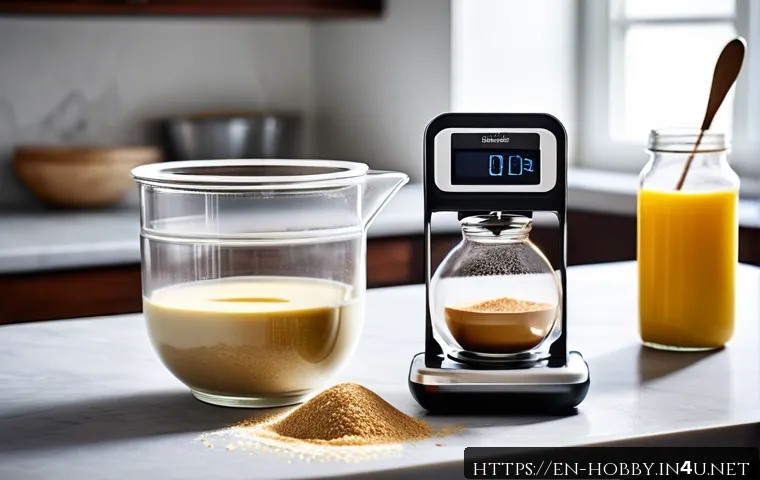
Precision is crucial in baking, but I’ve found that a flexible approach works best for home bakers. For example, weighing ingredients yields the most consistent outcomes, especially when it comes to flour and sugar.
If you don’t have a scale, spooning flour into your measuring cup rather than scooping directly avoids packing it too tightly, which can make your bakes dense.
Timing is another key factor—overbaking dries out cakes, while underbaking leaves the center gooey. I keep an eye on color and texture, using a toothpick test as a reliable indicator, but learning to trust your senses is just as important.
Mastering Quick and Delicious Bakes
Whip Up No-Fuss Muffins
Muffins are my go-to for a quick, satisfying treat that doesn’t require hours in the kitchen. The beauty lies in their forgiving nature—overmixing the batter can make them tough, but a few lumps won’t hurt at all.
I like to customize my muffins with seasonal fruits like blueberries or apples, adding a sprinkle of cinnamon for warmth. Baking at a slightly higher temperature for a short time gives a golden crust while keeping the inside moist.
These muffins have become a staple in my house for breakfast or afternoon snacks, and friends always ask for the recipe.
Simple Cookies That Impress
There’s something universally loved about a classic cookie, and I’ve tried countless recipes to find the perfect balance of chewiness and crunch. Using brown sugar instead of white gives a richer flavor and helps keep the cookies soft in the center.
Adding a handful of chocolate chips or chopped nuts adds texture and indulgence. My secret? Chilling the dough for at least an hour before baking helps control spreading, resulting in a thicker, more satisfying bite.
These cookies are easy to share and perfect for any occasion.
One-Bowl Cakes for Effortless Baking
If you’re short on time or just want to minimize cleanup, one-bowl cakes are a lifesaver. Combining all ingredients in one container means less mess and quicker prep.
I often use yogurt or sour cream to add moisture and tang, which balances the sweetness beautifully. A classic vanilla or chocolate base can be transformed with additions like lemon zest, coffee, or nuts.
Baking times vary, so I keep a close watch and test with a skewer to ensure it’s perfectly cooked. These cakes feel homemade but look impressively professional.
Techniques to Elevate Your Baking Game
Perfecting Dough Handling
Working with dough can be intimidating, but I learned that gentle, patient handling is key. Over-kneading bread dough, for example, can make it tough, while under-kneading means it won’t rise properly.
I like to use the “windowpane test” to check if gluten has developed enough—stretching a small piece until it’s thin and translucent without tearing. For pastries, keeping everything cold prevents the butter from melting too quickly, resulting in flaky layers.
These little techniques make a huge difference in the final texture and appearance.
Mastering Temperature Control
Temperature isn’t just about the oven; it starts with your ingredients. Using cold eggs or butter straight from the fridge can slow mixing and affect texture, while room temperature ingredients blend more smoothly.
I’ve found that preheating the oven for at least 15 minutes ensures even cooking, avoiding those frustrating underbaked centers or burnt edges. An oven thermometer is a great investment for accuracy.
Also, I sometimes rotate trays midway through baking to compensate for hot spots, especially in older ovens.
Creative Decorating Made Easy
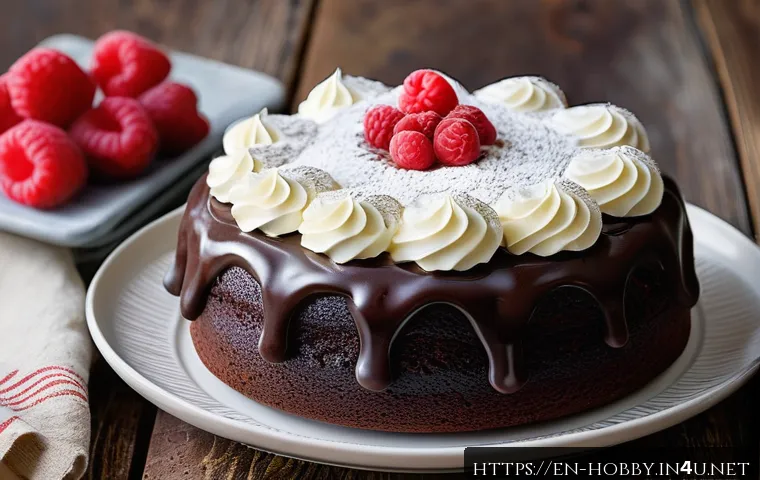
Decorating doesn’t need to be complicated to look stunning. Simple techniques like dusting powdered sugar, drizzling melted chocolate, or adding fresh fruit can instantly elevate your presentation.
I enjoy making quick buttercream or cream cheese frostings that add flavor and moisture without overwhelming the bake. Using a piping bag with a star tip turns a humble cupcake into a showstopper.
These finishing touches make baking feel like an art form and add a personal touch that guests always notice.
Smart Ingredient Swaps for Healthier Bakes
Reducing Sugar Without Sacrificing Taste
Cutting back on sugar can feel risky, but I’ve learned that reducing it by a quarter or substituting with natural sweeteners like honey or maple syrup still yields delicious results.
These alternatives add complexity and moisture, giving your bakes a rich, satisfying flavor. When using liquid sweeteners, I adjust the flour slightly to maintain the right texture.
It’s a balancing act, but with a bit of experimentation, you can enjoy treats that are kinder to your body without missing out on indulgence.
Using Whole Grain and Alternative Flours
Swapping out all-purpose flour for whole wheat or oat flour boosts fiber and nutrients, making your baked goods more filling and wholesome. I usually start by replacing just half the flour to keep the texture light while adding that subtle nutty flavor.
Gluten-free options like almond or coconut flour require different handling, often needing extra eggs or moisture, but they open up baking to those with dietary restrictions.
Experimenting with these flours has broadened my recipe repertoire and made baking more inclusive.
Incorporating Fruits and Vegetables
Adding pureed or grated fruits and veggies is a sneaky way to boost nutrition and moisture. Applesauce, mashed bananas, and pumpkin puree work beautifully in cakes and muffins, often replacing some of the fat or sugar.
Zucchini and carrots add texture and subtle sweetness, making the final product tender and delicious. I’ve found that these additions keep baked goods fresh longer and add a layer of complexity that’s both tasty and health-conscious.
Essential Tools That Make Baking Easier
Must-Have Kitchen Gadgets
Starting out, I thought I needed a million gadgets, but honestly, a few key tools cover most baking needs. A sturdy mixing bowl, a reliable hand mixer, and a good-quality baking pan form the foundation.
I swear by a silicone spatula for scraping every bit of batter from bowls and a cooling rack to prevent soggy bottoms. Investing in an oven thermometer and a digital timer has saved me from many baking disasters.
These tools simplify the process and improve consistency, making baking less stressful and more enjoyable.
Choosing the Right Bakeware
Different recipes call for different pans, and using the right one affects texture and cooking time. I’ve learned that metal pans give a crispier edge for cookies and cakes, while glass or ceramic retain heat more evenly for delicate bakes.
Non-stick coatings are convenient but sometimes hinder browning, so I often grease pans lightly or line them with parchment paper. Understanding the properties of your bakeware helps you adjust baking times and temperatures for perfect results every time.
Storage Solutions for Freshness
Keeping baked goods fresh can be tricky, especially if you bake in batches. I recommend airtight containers stored at room temperature for most cookies and cakes, which keeps them soft and flavorful for several days.
For longer storage, freezing works wonders—wrap items tightly in plastic wrap and foil to avoid freezer burn. I usually thaw baked goods slowly at room temperature or warm them gently in the oven before serving.
Proper storage not only preserves taste and texture but also reduces waste, making your baking efforts more rewarding.
Comparing Baking Staples: Key Tips at a Glance
| Ingredient | Best Use | Tips for Success | Common Mistakes |
|---|---|---|---|
| Flour | All-purpose for general baking; bread flour for chewy texture | Spoon and level when measuring; store in airtight container | Scooping directly leads to dense bakes |
| Sugar | Brown sugar for moisture and flavor; white sugar for crispness | Pack brown sugar lightly; substitute with natural sweeteners cautiously | Using expired sugar can dull flavors |
| Butter | Unsalted for control over salt; adds richness and moisture | Use at room temperature unless making pastry | Overheating melts butter, affecting texture |
| Baking Powder | Leavening agent for cakes and muffins | Check freshness regularly; mix thoroughly | Expired baking powder causes flat bakes |
| Eggs | Bind ingredients and add moisture | Use room temperature eggs for better mixing | Cold eggs can cause batter to curdle |
Wrapping Up
Baking with simple, quality ingredients can truly transform your creations into something extraordinary. Paying attention to details like measurements, timing, and ingredient swaps makes a big difference. With the right tools and techniques, even quick and easy recipes can impress. Most importantly, enjoy the process and don’t be afraid to experiment to find what works best for you.
Useful Tips to Remember
1. Always use fresh, high-quality ingredients for the best flavor and texture in your baked goods. Proper storage can extend their shelf life and maintain freshness.
2. Balance flavors by adding small amounts of salt or spices like cinnamon to enhance sweetness and complexity in your recipes.
3. When measuring flour, spoon it into the cup and level it off instead of scooping directly to avoid dense results.
4. Chill cookie dough before baking to control spreading and achieve thicker, chewier cookies.
5. Invest in essential tools like an oven thermometer and a good mixing bowl to improve consistency and ease during baking.
Key Takeaways
Understanding the role of each ingredient and how to handle them is fundamental to successful baking. Precision matters, but flexibility and sensory awareness can help home bakers adapt recipes to their needs. Simple adjustments in ingredient quality, measuring methods, and baking techniques lead to noticeable improvements. Prioritizing freshness, balanced flavors, and proper storage ensures your baked goods taste great and last longer. Finally, having the right tools and knowing how to use them effectively makes the baking process more enjoyable and less stressful.
Frequently Asked Questions (FAQ) 📖
Q: What are some simple baking recipes perfect for beginners?
A: Starting with recipes like classic chocolate chip cookies, banana bread, or basic muffins is a great way to ease into baking. These recipes require minimal ingredients and straightforward steps, making them ideal for those new to the kitchen.
From my experience, these treats not only taste amazing but also help build confidence as you get comfortable with measuring, mixing, and baking times.
Q: How can I make my homemade baked goods taste bakery-quality?
A: The secret often lies in using fresh, quality ingredients and following the recipe precisely—especially when it comes to measurements and oven temperatures.
Also, don’t rush the process; allowing doughs or batters to rest can improve texture and flavor. Personally, I’ve found that small touches like using real vanilla extract instead of imitation or adding a pinch of sea salt on top can elevate your bakes to the next level.
Q: What should I do if my baked goods don’t turn out as expected?
A: First, don’t be discouraged—baking is as much a learning experience as it is an art. Check your oven’s temperature with an oven thermometer to ensure accuracy, as many ovens run hotter or cooler than their settings.
Also, review your ingredient freshness and measurement accuracy. When I faced similar issues, adjusting baking times slightly or tweaking ingredient ratios helped me improve results.
Remember, every “flop” brings you closer to mastering your favorite recipes!