As the world gradually reopens and cultural experiences make a vibrant comeback, there’s never been a better time to dive into the art scene. This year promises a thrilling lineup of exhibitions that challenge conventions and ignite fresh inspiration.
Whether you’re an avid art lover or simply curious about contemporary creativity, these showcases offer something unforgettable. From groundbreaking installations to timeless masterpieces reimagined, each exhibition invites you to see the world through a new lens.
Join me as we explore the most captivating art events you absolutely can’t miss—let’s unlock creativity together!
Reimagining Spaces: Where Art Meets Environment
Immersive Installations That Transform Perception
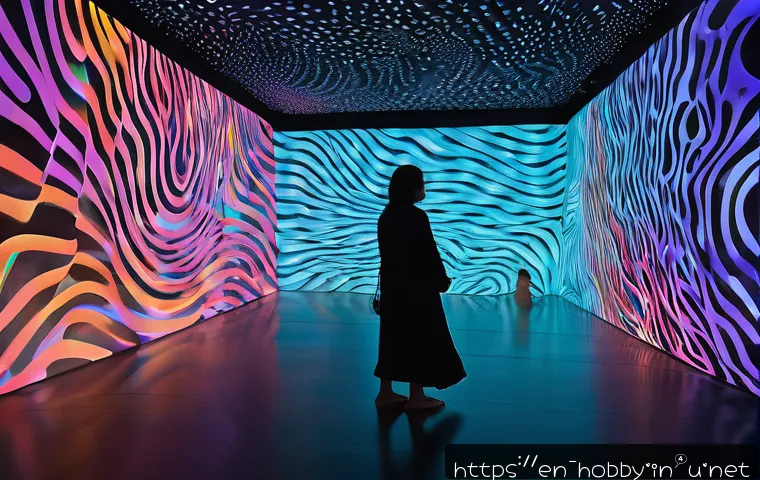
Stepping into an immersive installation can feel like entering an entirely new universe. These exhibitions often manipulate light, sound, and physical space to envelop visitors completely.
Having experienced one myself, I was struck by how every step altered my perception—not just of the artwork, but of my own presence within the space. Artists use these sensory elements to break down the traditional boundaries between observer and art, inviting a more active form of engagement.
For instance, some installations use interactive technology to respond to visitors’ movements, making each visit uniquely personal. This approach challenges the passive museum experience, encouraging viewers to become part of the creative process.
Outdoor Exhibits That Dialogue with Nature
Art in open-air settings offers a refreshing contrast to conventional gallery shows. When art interacts with natural surroundings—whether a forest, urban park, or waterfront—it gains new meaning shaped by the environment.
I recall a recent outdoor sculpture exhibit where the shifting sunlight dramatically altered the piece’s shadows throughout the day. Such works ask us to consider the relationship between human creativity and the natural world, often highlighting ecological themes.
Plus, outdoor art feels more accessible, inviting casual passersby to stumble upon creativity during their daily routines, which can spark unexpected moments of joy and reflection.
Blurring Boundaries: Art Beyond Traditional Frames
One of the most exciting trends is how contemporary artists blur the lines between disciplines, fusing sculpture, performance, digital media, and more.
This hybrid approach reflects a broader cultural shift towards interdisciplinary thinking. I’ve noticed that these boundary-pushing works often challenge viewers to reconsider what qualifies as “art” itself.
For example, kinetic sculptures incorporating robotics invite us to witness art as a living, evolving entity. This fluidity not only broadens artistic possibilities but also keeps audiences engaged by constantly surprising and provoking thought.
Fresh Perspectives: Emerging Voices Shaping the Future
Spotlight on Rising Artists
Discovering new talent is one of the most rewarding parts of following art exhibitions today. Emerging artists bring fresh energy and perspectives that can disrupt the status quo.
I’ve found that many of these creators draw deeply from personal and cultural narratives, offering stories often underrepresented in mainstream art. Their works tend to resonate on a visceral level, inviting empathy and dialogue.
Supporting emerging voices not only enriches our cultural landscape but also encourages diversity and innovation within the art world.
Global Influences and Cross-Cultural Dialogues
In an increasingly connected world, art exhibitions are embracing global perspectives like never before. Artists incorporate motifs, techniques, and traditions from diverse cultures, creating hybrid expressions that celebrate both difference and commonality.
I’ve attended shows where traditional craftsmanship seamlessly melded with contemporary forms, highlighting the dynamic interplay between heritage and modernity.
These cross-cultural dialogues challenge us to rethink identity and belonging, broadening our understanding of art’s universal language.
Technology as a Catalyst for Creativity
The integration of cutting-edge technology—such as virtual reality, AI, and augmented reality—is revolutionizing how art is created and experienced. From my firsthand experience trying an AR-enhanced exhibit, I can say it adds layers of meaning and interaction that were unimaginable a decade ago.
These tools allow artists to explore new dimensions, literally and figuratively, by inviting viewers to interact with digital elements overlaid on physical spaces.
This marriage of tech and art not only attracts younger audiences but also opens new avenues for storytelling and expression.
The Power of Narrative: Storytelling Through Art
Art as a Medium for Social Commentary
Art has long been a powerful vehicle for social and political messages, and today’s exhibitions continue this tradition with renewed urgency. I’ve been moved by installations that address climate change, racial justice, and mental health with striking honesty and nuance.
The ability of art to convey complex issues emotionally often creates a deeper impact than traditional discourse. These works compel viewers to reflect on their roles within broader societal challenges, fostering empathy and sometimes even inspiring action.
Personal Histories Made Visible
Many contemporary artists draw from autobiographical elements, transforming personal memories into universal experiences. When I encountered such work, I felt an intimate connection that transcended the individual story.
These narratives often explore identity, trauma, and healing, providing a platform for voices that have historically been marginalized. Through this lens, art becomes a form of testimony and preservation, inviting audiences to witness and honor diverse human experiences.
Interactive Storytelling and Audience Participation
Some exhibitions invite visitors to become storytellers themselves, contributing their voices or actions to the artwork. This participatory approach creates a dynamic dialogue between artist and audience.
I once took part in a collaborative mural where each participant added their mark, turning the piece into a collective memory. This method fosters community and blurs the line between creator and spectator, emphasizing art’s role as a living, evolving conversation.
Masterpieces Revisited: Classic Art in Contemporary Contexts
Innovative Curations That Spark New Insights
Revisiting classic artworks through fresh curatorial lenses can reveal surprising new meanings. Exhibitions that juxtapose old masters with contemporary pieces often highlight enduring themes or reinterpret historical narratives.
From personal experience, seeing a centuries-old painting alongside a modern response challenged my assumptions and deepened my appreciation. These dialogues across time encourage us to consider how cultural values evolve and how art remains relevant across generations.
Restoration and Preservation as Art Forms
The painstaking work of restoring masterpieces is itself a fascinating art form. I had the chance to observe a restoration project up close, and witnessing the meticulous attention to detail was awe-inspiring.
Preservation efforts not only safeguard cultural heritage but can also uncover hidden layers or original techniques, enriching our understanding of the artist’s intent.
This behind-the-scenes glimpse adds another dimension to the exhibition experience, connecting visitors to art’s enduring legacy.
Modern Technology Breathing Life into Classics
Advanced imaging and digital tools are enabling museums to present classic artworks in interactive and immersive ways. For example, digital projections can animate static paintings or reveal underdrawings invisible to the naked eye.
I found these technological enhancements engaging, as they invite viewers to explore familiar works in entirely new ways. This blending of tradition and innovation ensures that masterpieces continue to captivate contemporary audiences.
Art as a Community Experience: Engaging Beyond the Gallery
Workshops and Hands-On Creativity
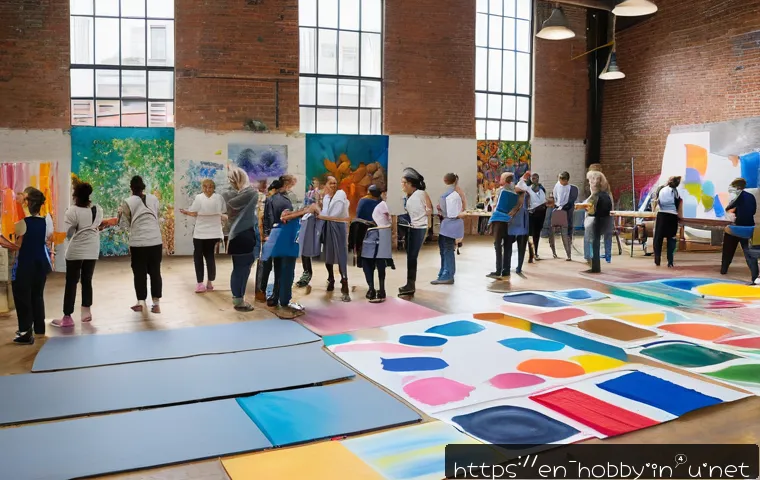
Many exhibitions now offer workshops where visitors can experiment with materials and techniques featured in the shows. Participating in one myself, I realized how hands-on involvement deepens understanding and appreciation.
These sessions create a playful environment that encourages curiosity and creativity, making art accessible to all ages and backgrounds. It’s a fantastic way to connect with the artistic process beyond passive observation.
Public Programs and Artist Talks
Listening to artists discuss their work adds invaluable context and personal insight. I’ve attended several talks where hearing the creator’s journey and intentions transformed my perspective entirely.
These programs often foster dialogue between artists and audiences, creating a sense of community and shared exploration. They also provide opportunities to ask questions, enriching the overall exhibition experience.
Collaborative Projects with Local Communities
Some exhibitions collaborate with local communities to co-create art that reflects shared histories and aspirations. I was impressed by a project where residents contributed stories and artifacts, making the exhibit a living tapestry of collective memory.
This approach democratizes art-making and strengthens cultural ties, highlighting the role of art as a bridge between diverse voices and experiences.
| Exhibition Type | Key Features | Visitor Experience | Notable Example |
|---|---|---|---|
| Immersive Installations | Multisensory, interactive, space-transforming | Engages all senses; personalized interaction | TeamLab Borderless (Tokyo) |
| Outdoor Art | Environmental dialogue, accessible | Dynamic natural interplay; casual discovery | Storm King Art Center (NY) |
| Emerging Artists | Fresh narratives, cultural diversity | Emotionally resonant; innovative | Frieze New York Emerging Section |
| Tech-Integrated Art | VR, AR, AI, digital overlays | Interactive, novel storytelling | TeamLab Planets (Tokyo) |
| Classic Art Reimagined | Juxtaposition, restoration, digital enhancement | New perspectives; historical depth | Louvre’s Digital Mona Lisa |
| Community Projects | Collaborative, participatory | Inclusive, shared cultural expression | Project Row Houses (Houston) |
Breaking the Mold: Art That Challenges Norms
Provocative Themes That Spark Debate
Certain exhibitions deliberately push boundaries by tackling taboo or controversial subjects. Encountering such art can be unsettling but also deeply thought-provoking.
From my perspective, these works serve a vital role by encouraging critical reflection on societal norms and injustices. They often inspire passionate conversations, both within the gallery and beyond, highlighting art’s power as a catalyst for change.
Experimental Formats and Unconventional Venues
Art is increasingly appearing outside traditional galleries—in warehouses, abandoned buildings, and even virtual spaces. I attended an exhibition in a repurposed factory where the raw, industrial setting amplified the artwork’s themes of decay and renewal.
Such venues challenge expectations and invite audiences to reconsider the relationship between art and its environment. This experimentation broadens access and injects fresh energy into the cultural scene.
Audience as Co-Creator
Some contemporary projects invite visitors to actively shape the artwork’s outcome. I joined one where participants added to a communal canvas over several days, watching it evolve in real time.
This participatory model fosters a sense of ownership and connection, blurring the line between creator and observer. It’s a powerful reminder that art is not static but a living dialogue shaped by many voices.
Art and Wellness: Creativity as a Path to Healing
Therapeutic Benefits of Engaging with Art
Research increasingly supports the positive impact of art on mental and emotional health. Personally, I’ve found that spending time with art calms my mind and sparks joy.
Exhibitions that emphasize healing themes or offer quiet contemplation spaces provide a refuge from daily stress. Some even incorporate mindfulness or guided meditation, enhancing the restorative experience.
Creative Workshops for Mental Health
Workshops designed around art-making can be powerful tools for expression and self-discovery. I participated in one focused on using painting to process emotions, and it was surprisingly cathartic.
These sessions often foster community support and reduce feelings of isolation, proving that art’s benefits extend beyond aesthetics to real human connection and resilience.
Inclusive Programs for Diverse Abilities
Many institutions are expanding access by creating programs tailored for people with disabilities or neurodiverse conditions. Experiencing an exhibition with sensory-friendly adaptations made me appreciate how thoughtful design can make art welcoming to all.
These inclusive initiatives not only broaden participation but also enrich the cultural fabric by embracing diverse ways of experiencing creativity.
In Conclusion
Art continues to evolve, breaking free from traditional boundaries and inviting us into immersive, interactive experiences. Whether through technology, community collaboration, or environmental dialogue, contemporary exhibitions offer fresh ways to connect and reflect. These innovative approaches deepen our appreciation and challenge us to see art as a living, dynamic force in society.
Useful Information to Keep in Mind
1. Immersive installations transform perception by engaging multiple senses, creating personalized and memorable experiences.
2. Outdoor art connects creativity with nature, making art accessible and fostering environmental awareness.
3. Emerging artists bring diverse voices and fresh narratives that enrich cultural conversations.
4. Technology like AR and VR is revolutionizing storytelling and audience interaction in art.
5. Participatory and community-driven projects strengthen cultural ties and democratize artistic expression.
Key Takeaways
Art today is more than visual expression—it’s an interactive, evolving dialogue that embraces innovation and inclusivity. By blending disciplines, incorporating technology, and fostering community participation, modern art challenges conventions and invites deeper engagement. Remember, engaging with art isn’t just about observation; it’s about connection, reflection, and sometimes healing.
Frequently Asked Questions (FAQ) 📖
Q: What types of art exhibitions are featured in this year’s lineup?
A: This year’s art exhibitions cover a diverse range of styles and mediums, from immersive installations that engage all your senses to contemporary reinterpretations of classic masterpieces.
You can expect everything from interactive digital art and avant-garde sculptures to thought-provoking photography and traditional paintings with a modern twist.
The variety ensures there’s something to spark creativity and curiosity for everyone, whether you’re into cutting-edge innovation or timeless beauty.
Q: How can I make the most out of visiting these art exhibitions?
A: To really get the most from these exhibitions, I recommend planning ahead by checking out the featured artists and themes online before you go. This way, you’ll have a richer understanding of the works and the stories behind them.
Also, take your time exploring each piece—don’t rush. Engage with any available guided tours or artist talks, as these offer insider insights that deepen your appreciation.
And if possible, visit with friends or fellow art lovers to share perspectives and spark lively conversations that enhance the experience.
Q: Are these exhibitions suitable for people who aren’t art experts?
A: Absolutely! Many exhibitions are designed to be accessible and engaging for everyone, regardless of your background in art. Curators often include explanatory notes, interactive elements, and multimedia guides to make the experience inviting and easy to understand.
Plus, the fresh and unconventional approaches featured this year are especially great for sparking curiosity, even if you’re just starting to explore the art world.
I’ve found that approaching these exhibitions with an open mind and a sense of wonder makes all the difference.